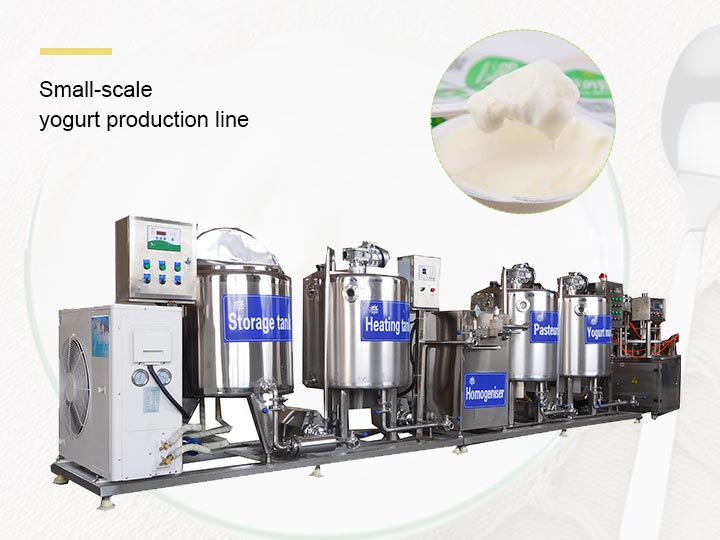
The dairy industry has experienced significant growth in recent years, with yogurt becoming one of the most popular health food products worldwide. Starting a yogurt production business offers tremendous opportunities for entrepreneurs looking to enter the dairy processing sector. This comprehensive guide will walk you through every aspect of establishing your yogurt production business, from market analysis to profitability.
Yogurt Industry Market Prospects
The global yogurt market continues to expand rapidly, driven by increasing consumer awareness of health benefits associated with probiotic dairy products. Several factors contribute to the promising outlook for yogurt businesses:
- Growing Health Consciousness: Consumers increasingly prefer functional foods that offer nutritional benefits, making yogurt an attractive option.
- Rising Demand for Premium Products: Greek yogurt, organic yogurt, and flavored varieties command higher prices and margins.
- Expansion into New Markets: Developing countries present untapped opportunities as disposable incomes rise.
- Diversification Opportunities: Yogurt can be used as an ingredient in smoothies, desserts, and culinary applications.
Investment Budget Planning
Understanding the investment requirements is crucial for planning your yogurt production business. The total investment depends on your scale of operations and product range.
Small-Scale Operations (100-300L daily capacity)
For entrepreneurs starting small, a mini yogurt production line requires:
- Basic processing equipment: $5,000-$15,000
- Small fermentation tanks: $1,000-$3,000
- Simple packaging equipment: $2,000-$5,000
- Initial working capital (raw materials, licenses): $3,000-$8,000
- Total estimated investment: $11,000-$31,000
Medium-Scale Operations (500-1000L daily capacity)
A semi-automatic production line typically requires:
- Complete production line equipment: $25,000-$60,000
- Pasteurization and homogenization units: $10,000-$20,000
- Packaging machinery: $8,000-$15,000
- Installation and training: $3,000-$7,000
- Working capital and miscellaneous: $10,000-$20,000
- Total estimated investment: $56,000-$122,000
These figures are approximate and depend on specific equipment configurations, local market conditions, and regulatory requirements.
Equipment Selection Guide
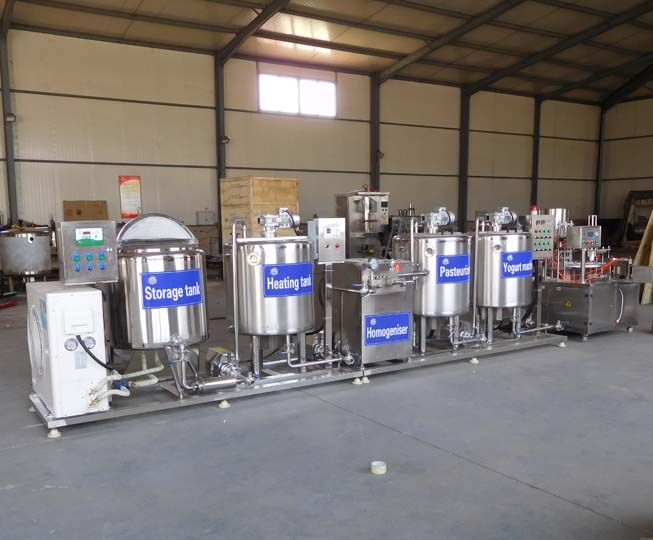
Choosing the right equipment is critical to your success. Consider your production volume, product types, and budget when making decisions. Shuliy offers comprehensive yogurt production lines ranging from 200L to 5000L capacity.
Essential Equipment Components
- Milk Reception Tank: For receiving and temporarily storing raw milk
- Milk Pasteurizer: Heat treatment equipment to eliminate pathogens (Learn more about pasteurizers)
- Milk Homogenizer: Ensures consistent texture by breaking down fat globules
- Fermentation Tank: Temperature-controlled tanks for yogurt culture development (Explore fermentation equipment)
- Cooling System: Rapid cooling after fermentation to stop the culturing process
- Filling Machine: For packaging yogurt into cups, bottles, or bags
- CIP Cleaning System: Automated cleaning-in-place for hygiene maintenance
Licenses and Regulations
Operating a yogurt production facility requires compliance with various regulatory requirements. The specific licenses needed vary by country and region:
- Food Production License: Primary permit from the food safety authority
- Business Registration: Company or business license from the commerce department
- Health Department Approval: Sanitation and safety certification
- Environmental Permit: For waste water and by-product disposal
- ISO Certification: International quality management standards (optional but valuable)
- HALAL/KOSHER Certification: Required for specific market segments
Consult with local regulatory authorities early in the planning process to ensure compliance and avoid costly delays.
Operational Process
The yogurt production process involves several key stages that require careful attention to detail and quality control:
Standard Production Workflow
- Milk Reception: Raw milk is received, tested for quality, and cooled to 4°C
- Filtration: Milk is filtered to remove impurities and ensure purity
- Pre-heating: Milk is heated to approximately 55°C for optimal processing
- Homogenization: High-pressure treatment creates smooth, uniform texture
- Pasteurization: Heat treatment at 85°C eliminates harmful bacteria
- Cooling: Milk is cooled to fermentation temperature (40-45°C)
- Inoculation: Starter cultures are added to begin fermentation
- Fermentation: Controlled incubation for 6-8 hours develops yogurt characteristics
- Cooling and Storage: Finished product is cooled and prepared for packaging
- Packaging: Product is filled into containers and sealed
Profitability Analysis
Understanding the profit potential helps in making informed business decisions. Key profitability factors include:
Revenue Factors
- Raw Milk Cost: Primary input cost, typically $0.80-$1.50 per liter
- Yogurt Selling Price: $2.00-$5.00 per liter depending on quality and market
- Value Addition: Yogurt commands 3-5 times the price of raw milk
- Production Efficiency: Higher yields reduce per-unit costs
ROI Considerations
Most small to medium yogurt production operations achieve return on investment within 18-24 months. Success depends on:
- Managing production costs effectively
- Building strong distribution networks
- Maintaining consistent product quality
- Targeting the right market segments
- Controlling overhead expenses
Getting Started
Starting a yogurt production business requires careful planning and execution. Follow these steps to launch successfully:
- Conduct thorough market research in your target area
- Develop a detailed business plan with financial projections
- Secure necessary funding and licenses
- Source reliable equipment suppliers
- Establish raw milk supply chains
- Hire and train qualified staff
- Implement quality control systems
- Build distribution networks
Ready to start your yogurt production business? Contact Shuliy Machinery for expert consultation and customized equipment solutions tailored to your specific requirements and budget.