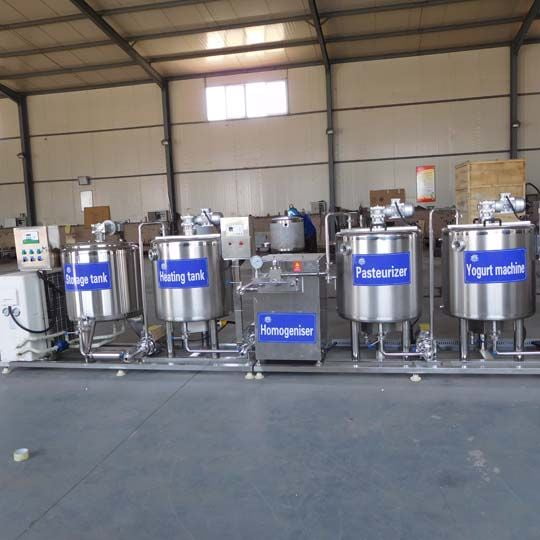
Establishing a yogurt factory requires careful planning and significant capital investment. From factory location selection to equipment configuration, every decision impacts your production efficiency and product quality. This comprehensive guide walks you through the essential elements of setting up a successful yogurt production facility, with detailed cost breakdowns and regulatory requirements.
Factory Site Selection Requirements
Choosing the right location for your yogurt factory is fundamental to operational success. The site selection process typically takes 3-6 months and should consider the following critical factors:
Proximity to Raw Materials
Locate your factory near reliable fresh milk suppliers to minimize transportation costs and ensure consistent raw material quality. Dairy farms or milk collection centers within 50km radius are ideal. This proximity reduces milk spoilage risks and transportation expenses significantly.
Key metrics for site evaluation:
| Factor | Ideal Range | Impact on Cost |
|---|---|---|
| Distance to milk source | <50km | Reduces transport cost by 15-25% |
| Milk collection frequency | 2-3 times/day | Ensures freshness |
| Raw milk temperature | <4°C upon arrival | Minimizes spoilage |
Infrastructure Availability
- Reliable Power Supply: Consistent electricity is essential for temperature-controlled equipment
- Water Quality: Clean water meeting food production standards is mandatory
- Transportation Access: Proximity to major roads for distribution
- Waste Disposal: Proper drainage and waste management systems
Regulatory Considerations
Ensure the selected site complies with local zoning regulations for food manufacturing facilities. The area should be free from environmental pollutants and远离 contamination sources such as chemical plants or waste treatment facilities.
Regulatory requirements by region:
| Region | Key Regulations | Certification Required |
|---|---|---|
| United States | FDA 21 CFR Part 117 | FDA Registration, HACCP |
| European Union | EC Regulation 852/2004 | CE Marking, ISO 22000 |
| Southeast Asia | ASEAN GMP Guidelines | GMP, HACCP |
| Middle East | GCC Standardization | GSO Certification |
| Africa | National Food Safety Acts | Local FDA Approval |
Workshop Layout Design
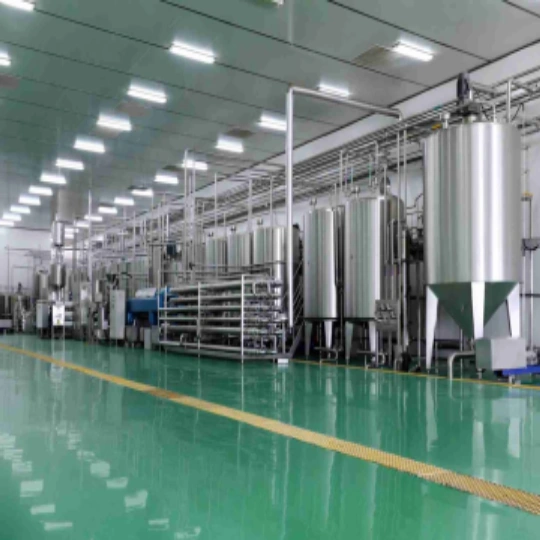
Efficient workshop layout optimizes production flow and minimizes contamination risks. A well-designed yogurt factory typically includes the following zones:
Production Zone Layout
- Raw Milk Reception Area: Testing and initial storage facilities
- Processing Hall: Central area for pasteurization, homogenization, and fermentation
- Packaging Section: Clean room environment for filling and sealing
- Cold Storage: Finished product storage at 2-6°C
- Quality Control Laboratory: Product testing and monitoring
Supporting Facilities
- Utility Room: Electrical panels, compressor rooms
- Chemical Storage: Cleaning agents and sanitizers
- Office Space: Administrative and management functions
- Staff Facilities: Changing rooms, rest areas, canteen
The layout should follow a unidirectional flow: raw materials enter at one end and finished products exit at the other, preventing cross-contamination between different production stages.
Equipment Configuration List
Equipping your yogurt factory with appropriate machinery is essential for meeting production targets and quality standards. Shuliy offers complete yogurt production lines from 200L to 5000L capacity.
Core Processing Equipment
- Milk Reception Tanks: 500-2000L capacity with cooling systems
- Milk Filters: Duplex filters for impurity removal (View filtration equipment)
- Milk Pasteurizers: Batch or continuous pasteurization units (Learn about pasteurization)
- Milk Homogenizers: High-pressure homogenization for texture improvement
- Fermentation Tanks: Temperature-controlled vessels with precise monitoring
- Cooling Systems: Plate coolers for rapid product cooling
Packaging Equipment
- Cup Filling Machines: Automatic or semi-automatic fillers
- Sealing Machines: Heat sealing or foil sealing units
- Labeling Equipment: Product labeling and date coding
- Conveyor Systems: Product transport between stations
Supporting Systems
- CIP Cleaning Systems: Automated cleaning-in-place equipment (Explore CIP systems)
- Steam Generators: Sterilization and cleaning purposes
- Compressed Air Systems: Equipment operation and pneumatic controls
- Refrigeration Units: Cold chain maintenance
Water and Electricity Requirements
Utilities are critical infrastructure components that must be properly sized and reliably supplied:
Water Supply
- Daily Water Consumption: 3-5 liters of water per liter of yogurt produced
- Water Quality: Must meet drinking water standards (WHO or local equivalent)
- Water Treatment: Filtration and UV sterilization systems recommended
- Storage Capacity: Reserve tanks for 1-2 days of production needs
Electrical Requirements
- Power Capacity: 50-200 kW depending on production scale
- Voltage Configuration: 380V/50Hz three-phase power standard for industrial equipment
- Backup Power: Generator backup for critical cooling systems
- Electrical Panels: Properly distributed circuits with overload protection
Hygiene Standards
Maintaining strict hygiene is paramount in yogurt production. Implement comprehensive sanitation protocols:
Facility Hygiene
- Floor Finishes: Non-slip, chemical-resistant epoxy coatings
- Wall Surfaces: Smooth, washable materials up to 2 meters height
- Ceiling Design: Preventing dust accumulation and condensation
- Drainage Systems: Proper slope and trap systems
Personal Hygiene Protocols
- Staff must wear protective clothing, hairnets, and sanitized footwear
- Regular hand washing and sanitization stations throughout facility
- Health screening for all production personnel
- Training programs on food safety and hygiene practices
Staff Configuration
Proper staffing ensures smooth operations and quality control. Recommended positions for a medium-scale yogurt factory (1000L daily capacity):
Production Staff
- Production Manager: 1 person – Overall operations oversight
- Machine Operators: 2-3 persons – Equipment operation and monitoring
- Quality Control Technicians: 1-2 persons – Product testing and standards
- Maintenance Technician: 1 person – Equipment maintenance and repairs
- Production Workers: 3-5 persons – General production tasks
Administrative Staff
- Factory Manager: 1 person – Business and operations management
- Sales Representative: 1-2 persons – Marketing and distribution
- Accounts/Admin: 1 person – Financial and administrative duties
Staff requirements vary based on production scale and automation levels. Invest in comprehensive training to ensure consistent product quality and operational efficiency.
Investment Cost Breakdown
Setting up a yogurt factory requires significant capital investment. Here's a detailed cost breakdown for a medium-scale facility (1000L daily capacity):
| Cost Category | Estimated Range (USD) | Percentage |
|---|---|---|
| Equipment & Machinery | $80,000 – $150,000 | 40-50% |
| Facility Construction/Renovation | $40,000 – $80,000 | 20-25% |
| Utilities Installation | $15,000 – $30,000 | 8-10% |
| Licensing & Certification | $5,000 – $15,000 | 3-5% |
| Initial Raw Materials | $10,000 – $20,000 | 5-8% |
| Working Capital (3 months) | $30,000 – $50,000 | 15-20% |
| Total Investment | $180,000 – $345,000 | 100% |
Equipment Selection Methodology
Choosing the right equipment capacity requires careful calculation based on your target production volume:
Capacity Calculation Formula
Daily Equipment Capacity (L) = Target Daily Output (L) × 1.3The 1.3 multiplier accounts for:
- 15% buffer for peak demand periods
- 10% capacity loss during cleaning cycles
- 5% maintenance downtime
Equipment Sizing Example
For a target daily output of 1000L yogurt:
- Required equipment capacity: 1000L × 1.3 = 1300L
- Recommended production line: 1500L capacity
- Fermentation tank size: 2 × 750L tanks (allows batch rotation)
Conclusion
Setting up a yogurt factory requires careful consideration of multiple factors, from site selection to staffing. Success depends on proper planning, quality equipment, and adherence to hygiene standards. Contact Shuliy Machinery for expert guidance and customized factory setup solutions tailored to your specific requirements and production goals.
How much does it cost to set up a yogurt factory?
The total investment for a medium-scale yogurt factory (1000L daily capacity) ranges from $180,000 to $345,000, including equipment, facility construction, utilities, licensing, and working capital.
What is the minimum space required for a yogurt factory?
A medium-scale yogurt factory typically requires 500-800 square meters of space, including production areas, storage, quality control laboratory, and staff facilities.
How long does it take to set up a yogurt production facility?
From site selection to full production, expect 6-12 months for a medium-scale facility. This includes 3-6 months for site selection and permitting, 2-3 months for construction/renovation, and 1-3 months for equipment installation and commissioning.
What certifications are needed for yogurt production?
Required certifications vary by region but typically include FDA registration (US), CE marking (EU), GMP certification, HACCP certification, and local food safety approvals. Consult with local regulatory authorities early in the planning process.