Sterilization is one of the most critical steps in yogurt production, serving as the foundation for both food safety and product quality. Understanding the purpose of sterilization in a yogurt production line is essential for anyone involved in dairy processing, from small farm operations to large commercial facilities. This comprehensive guide explores the science behind milk sterilization, various methods employed, and why this process is indispensable for creating safe, delicious yogurt.
Why Sterilization is Essential in Yogurt Production
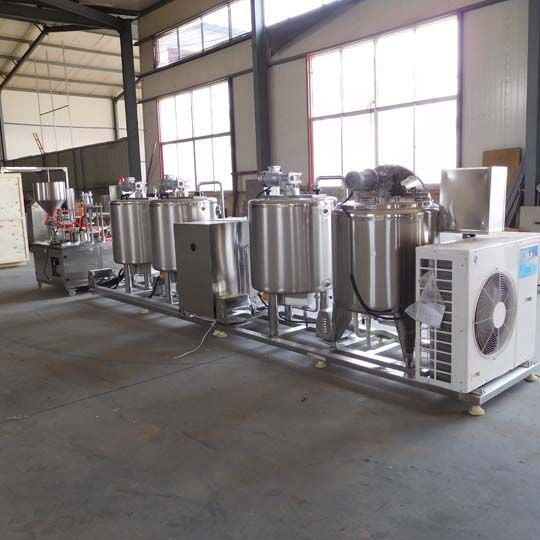
The milk sterilizer and pasteurization equipment serve as the primary defense against harmful microorganisms while creating the optimal environment for beneficial yogurt cultures to thrive. This dual purpose makes sterilization arguably the most important step in the entire yogurt manufacturing process.
Primary Objectives of Milk Sterilization
- Pathogen Elimination: Destroying harmful bacteria such as E. coli, Salmonella, Listeria, and other pathogens that can cause foodborne illnesses.
- Spoilage Organism Reduction: Minimizing bacteria, yeasts, and molds that can cause premature spoilage and off-flavors.
- Culture Competition Removal: Eliminating wild microorganisms that could compete with or inhibit the growth of beneficial yogurt starter cultures.
- Enzyme Inactivation: Destroying natural milk enzymes that could negatively affect yogurt texture and stability during storage.
- Shelf Life Extension: Creating conditions that allow yogurt to maintain quality throughout its intended shelf life.
The Complete Yogurt Production Process
To understand where sterilization fits in the overall process, let’s examine the complete yogurt production workflow:
Step 1: Pre-cooling and Pre-heating of Milk
Fresh milk arrives at the processing facility and is immediately cooled to 4°C to maintain freshness. Before processing, it’s gradually heated to prepare for homogenization and sterilization. This controlled temperature transition helps preserve milk quality and prepares it for subsequent processing steps.
Step 2: Homogenization of Fresh Milk
The homogenization process breaks down fat globules into smaller, uniform particles, preventing cream separation and creating the smooth texture consumers expect in yogurt. This step typically occurs before sterilization to ensure even heat distribution during the heating process.
Step 3: Sterilization and Cooling
This is the critical step where milk is heated to specific temperatures for defined periods to eliminate pathogens while preserving the milk’s nutritional value and functional properties. After sterilization, the milk is rapidly cooled to the optimal temperature for starter culture inoculation.
Step 4: Starter Culture Preparation and Inoculation
Carefully selected yogurt starter cultures, typically containing Lactobacillus bulgaricus and Streptococcus thermophilus, are added to the sterilized milk. These beneficial bacteria will ferment the milk sugars into lactic acid, creating yogurt’s characteristic tang and texture.
Step 5: Fermentation Under Controlled Conditions
The inoculated milk is held at precise temperatures (typically 40-45°C) for 6-8 hours, allowing the beneficial bacteria to multiply and transform the milk into yogurt. The sterile environment created by proper pasteurization ensures that only the desired cultures grow.
Ingredient Selection and Preparation Requirements
Successful yogurt production begins with selecting high-quality raw materials that meet strict quality standards:
Primary Raw Materials
- Fresh Milk or Milk Powder: The foundation of yogurt, providing protein, fat, and lactose for fermentation. Milk should meet Grade A standards with low bacterial counts.
- Sugar: Added to balance tartness and provide food for starter cultures during the early fermentation stages.
- Stabilizers: Natural ingredients like agar, gelatin, or pectin that improve texture and prevent whey separation.
- Flavorings: Fruit purees, vanilla, or other natural flavors added after fermentation for variety.
Ingredient Preparation Procedures
Proper preparation of ingredients ensures consistent results and optimal product quality:
- Dry Ingredient Dissolution: Milk powder and sugar are mixed with warm water at 50-60°C to ensure complete dissolution without lumping.
- Stabilizer Hydration: Stabilizers are blended with a small amount of sugar, then mixed with water and heated to ensure thorough hydration and activation.
- Pre-mix Quality Control: All ingredient solutions are filtered and checked for consistency before being combined with the main milk batch.
The Science of Milk Homogenization
While not strictly a sterilization step, homogenization plays a crucial supporting role in yogurt quality and stability:
Benefits of Proper Homogenization
- Fat Globule Reduction: High-pressure treatment (9.81-24.5 MPa) breaks fat globules into micron-sized particles that remain evenly distributed.
- Texture Improvement: Homogenized milk produces yogurt with a smoother, creamier mouthfeel.
- Whey Separation Prevention: Uniform fat distribution helps stabilize the protein matrix, reducing syneresis (whey separation).
- Color Enhancement: Smaller fat globules scatter light differently, giving yogurt a whiter, more appealing appearance.
Optimal Homogenization Conditions
For best results in yogurt production, homogenization should occur:
- Pre-heating Temperature: 50-60°C to ensure fat is in liquid state for effective breakup.
- Pressure Range: 9.81-24.5 MPa (megapascals), with higher pressures producing more stable emulsions.
- Timing: Before pasteurization to prevent re-agglomeration of fat globules.
Sterilization Methods in Yogurt Production
Modern yogurt production lines employ several sterilization methods, each with specific applications and benefits:
Batch Pasteurization (Low-Temperature Long-Time)
- Temperature: 85°C held for 15-30 minutes
- Advantages: Gentle treatment preserves more nutrients and flavor; suitable for small batches
- Applications: Small-scale operations, specialty yogurt production
High-Temperature Short-Time (HTST) Pasteurization
- Temperature: 72-75°C for 15-20 seconds
- Advantages: Faster throughput, continuous processing, minimal nutrient loss
- Applications: Medium to large commercial operations
Ultra-High Temperature (UHT) Treatment
- Temperature: 135-150°C for 2-5 seconds
- Advantages: Extended shelf life, commercial sterility
- Applications: Long-life yogurt products, aseptic packaging systems
Critical Sterilization Benefits for Yogurt Quality
Proper sterilization delivers multiple benefits that directly impact yogurt quality and production success:
1. Oxygen Removal and Beneficial Bacteria Promotion
Heat treatment removes dissolved oxygen from milk, creating an anaerobic environment that promotes the growth of lactic acid bacteria while inhibiting aerobic spoilage organisms. This selective environment is crucial for successful yogurt fermentation.
2. Protein Modification for Improved Texture
Controlled heating causes whey protein denaturation, which improves the water-binding capacity of the milk protein matrix. This results in firmer yogurt with reduced syneresis and better overall texture.
3. Whey Separation Prevention
Properly sterilized and processed milk forms a more stable gel structure during fermentation, significantly reducing the tendency for whey to separate from the curd during storage.
4. Consistent Fermentation Results
By eliminating competing microorganisms, sterilization ensures that yogurt starter cultures can grow predictably and consistently, batch after batch, reducing production variability and waste.
Invest in Quality Sterilization Equipment
The importance of proper sterilization cannot be overstated in yogurt production. Investing in high-quality pasteurization equipment pays dividends through improved product safety, consistency, and quality.
Contact Shuliy Machinery to learn more about our comprehensive range of milk sterilization and yogurt production equipment. Our experts can help you select the right sterilization solution for your specific production needs, ensuring your yogurt products meet the highest standards of safety and quality.