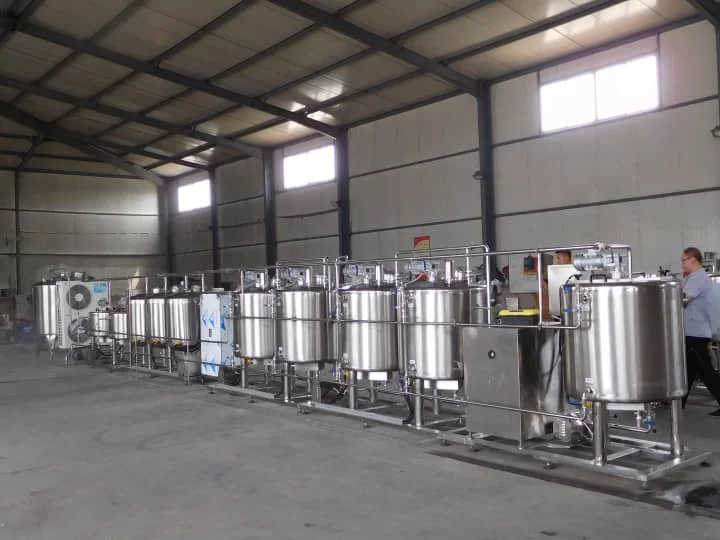
ग्रीक योगर्ट उत्पादन मार्गदर्शिका: संपूर्ण प्रक्रिया, उपकरण, और निवेश
ग्रीक योगर्ट वैश्विक डेयरी बाजार में सबसे तेजी से बढ़ने वाले खंडों में से एक बन गया है, जिसमें कई क्षेत्रों में वार्षिक वृद्धि दर 8% से अधिक है। इसकी मोटी, मलाईदार बनावट और उच्च प्रोटीन सामग्री ने इसे एक प्रीमियम उत्पाद बना दिया है, जिसकी कीमत नियमित योगर्ट की तुलना में 40-60% अधिक है। यह व्यापक मार्गदर्शिका ग्रीक योगर्ट उत्पादन के बारे में सभी आवश्यक जानकारी प्रदान करती है, जिसमें तनाव प्रक्रिया से लेकर उपकरण चयन और निवेश योजना तक शामिल हैं।
ग्रीक योगर्ट मुख्य रूप से तनाव प्रक्रिया के माध्यम से नियमित योगर्ट से भिन्न होता है, जो व्हे को निकालता है और ठोस पदार्थों को केंद्रित करता है:
विशेषता
सामान्य योगर्ट
Greek Yogurt
अंतर
प्रोटीन सामग्री
3-5g प्रति 100g
8-12g प्रति 100g
2-3x अधिक
चीनी सामग्री
प्रति 100g 10-15g
4-6g प्रति 100g
50-60% कम
वसा सामग्री
प्रति 100g 2-4g
5-10g प्रति 100g
2-3x अधिक
बनावट
मुलायम, डालने योग्य
मोटा, मलाईदार
तनावित
उत्पादन मात्रा
100% दूध
30-40% दूध का
60-70% व्हे निकाला गया
बिक्री मूल्य
$1.50-2.50/L
$3.00-5.00/लीटर
40-60% प्रीमियम
तनाव प्रक्रिया की व्याख्या
ग्रीक योगर्ट उत्पादन में किण्वन के बाद अतिरिक्त तनाव चरण की आवश्यकता है:
मानक किण्वन: नियमित योगर्ट उत्पादन प्रक्रिया का पालन करें
तनाव: व्हे को फिल्ट्रेशन या सेंट्रीफ्यूग के माध्यम से निकालें
सांद्रता: ठोस सामग्री का 2-3 गुना संकेंद्रण प्राप्त करें
पैकेजिंग: मोटा योगर्ट को कंटेनरों में भरें
ग्रीक योगर्ट उत्पादन प्रक्रिया
पूर्ण उत्पादन कार्यप्रवाह
Stage
प्रक्रिया
तापमान
अवधि
मुख्य उपकरण
1. दूध प्राप्ति
गुणवत्ता परीक्षण और ठंडा करना
4°C
30 मिनट
स्वागत टैंक
मानकीकरण
मोटापा/प्रोटीन सामग्री को समायोजित करें
40-50°C
20 मिनट
मानकीकरण टैंक
3. होमोजेनाइजेशन
वसा ग्लोब्यूल्स को तोड़ना
60-70°C
10 मिनट
होमोजेनाइज़र (200 बार)
पाश्चराइजेशन
गर्मी उपचार
90-95°C
10 मिनट
पाश्चराइज़र
5. ठंडा करना
किण्वन तापमान तक कम करें
42-45°C
20 मिनट
प्लेट कूलर
6. इनोक्यूलेशन
संस्कृति जोड़ें
42-45°C
10 मिनट
किण्वन टैंक
7. किण्वन
संस्कृति इन्क्यूबेशन
42-45°C
5-7 घंटे
किण्वन टैंक
8. ठंडा करना
किण्वन रोकें
4-6°C
30 मिनट
ठंडा करने की प्रणाली
9. तनाव
व्हे निकालें
4-6°C
2-4 घंटे
तनाव प्रणाली
10. पैकेजिंग
भरना और सील करना
4-6°C
निरंतर
फिलिंग मशीन
सामान्य योगर्ट उत्पादन से प्रमुख भिन्नताएँ
पहलू
सामान्य योगर्ट
Greek Yogurt
Impact
दूध आवश्यकताएँ
1L दूध = 1L योगर्ट
3-4L दूध = 1L योगर्ट
उच्च कच्चे माल की लागत
किण्वन समय
6-8 घंटे
5-7 घंटे
थोड़ा छोटा
अतिरिक्त चरण
कोई नहीं
तनाव (2-4 घंटे)
अतिरिक्त उपकरण आवश्यक
उत्पादन मात्रा
95-100%
30-40%
प्रति बैच कम उत्पादन
शेल्फ जीवन
14-21 दिन
21-28 दिन
कम नमी के कारण लंबा
ग्रीक योगर्ट उत्पादन के लिए आवश्यक उपकरण
मूल उपकरण सूची
उपकरण
कार्य
विशेषताएँ
अनुमानित लागत
दूध रिसेप्शन टैंक
कच्चे दूध का भंडारण
500-2000L, SUS 304
$5,000-12,000
मानकीकरण टैंक
दूध की संरचना को समायोजित करें
500-2000L, जिसमें मिक्सर हो
$6,000-15,000
समरूप बनानेवाला
वसा ग्लोब्यूल कम करना
200 बार दबाव
$7,000-15,000
पाश्चराइज़र
गर्मी उपचार
90-95°C, 10 मिनट
$9,000-20,000
फर्मेंटेशन टैंक
संस्कृति इन्क्यूबेशन
Temperature controlled
$10,000-25,000
तनाव प्रणाली
व्हे निकालना
सेंट्रीफ्यूग या झिल्ली
$15,000-50,000
व्हे संग्रह टैंक
तनावित व्हे एकत्र करें
1000-3000L
$3,000-8,000
भरने की मशीन
मोटा योगर्ट पैकेज करें
500-2000 कप/घंटा
$7,000-20,000
सीआईपी सफाई व्यवस्था
स्वचालित सफाई
लाइन मिलान
$5,000-12,000
तनाव प्रणाली विकल्प
तनाव प्रणाली ग्रीक योगर्ट उत्पादन का मुख्य भिन्नता है:
विधि
विवरण
क्षमता
लागत
सर्वश्रेष्ठ के लिए
सेंट्रीफ्यूगल सेपरेटर
उच्च गति पर घुमाव से व्हे अलग होता है
500-2000L/घंटा
$15,000-30,000
मध्यम-बड़ा उत्पादन
झिल्ली फ़िल्ट्रेशन
अल्ट्राफिल्ट्रेशन झिल्ली
200-1000L/घंटा
$20,000-50,000
प्रीमियम गुणवत्ता, स्थिरता
कपड़ा बैग तनाव
पारंपरिक गुरुत्वाकर्षण तनाव
50-200L/घंटा
$2,000-5,000
छोटा पैमाना, शिल्प
डिकैंटर सेंट्रीफ्यूज
सतत विभाजन
1000-5000एल/घंटा
$30,000-80,000
औद्योगिक उत्पादन
तनाव विधि तुलना
कारक
सेंट्रीफ्यूग
झिल्ली
कपड़ा बैग
डिकैंटर
उत्पादन मात्रा
35-40%
30-35%
25-30%
35-45%
प्रसंस्करण समय
1-2 घंटे
2-4 घंटे
8-12 घंटे
निरंतर
प्रोटीन संरक्षण
90-95%
95-98%
85-90%
90-95%
श्रम आवश्यक
1 व्यक्ति
1 व्यक्ति
2-3 व्यक्ति
1 व्यक्ति
रखरखाव लागत
मध्यम
उच्च
कम
मध्यम
उत्पाद गुणवत्ता
उत्कृष्ट
प्रीमियम
अच्छा
उत्कृष्ट
ग्रीक योगर्ट उत्पादन के लिए निवेश लागत
छोटा पैमाना (200L दैनिक उत्पादन)
उपकरण
लागत क्षेत्र (USD)
टिप्पणियाँ
दूध रिसेप्शन टैंक (600L)
$5,000-8,000
3x दूध मात्रा की आवश्यकता
मानकीकरण टैंक
$6,000-10,000
वसा/प्रोटीन समायोजन के लिए
पाश्चराइज़र (600L)
$9,000-14,000
ग्रीक शैली के लिए उच्च तापमान
समरूप बनानेवाला
$7,000-10,000
200 बार दबाव
किण्वन टैंक (600L)
$10,000-15,000
Temperature controlled
सेंट्रीफ्यूगल स्ट्रेनर
$15,000-25,000
मुख्य उपकरण
व्हे संग्रह टैंक
$3,000-5,000
उत्पाद उपोत्पाद के लिए
भरने की मशीन
$7,000-12,000
मोटा योगर्ट के लिए
CIP प्रणाली
$5,000-8,000
संपूर्ण सफाई
कुल उपकरण
$67,000-107,000
सुविधा सेटअप
$20,000-40,000
नवीनीकरण, उपयोगिताएँ
कार्यशील पूंजी (3 महीने)
$25,000-40,000
ऑपरेटिंग खर्च
कुल निवेश
$112,000-187,000
मध्यम पैमाना (500L दैनिक उत्पादन)
उपकरण
लागत क्षेत्र (USD)
टिप्पणियाँ
दूध रिसेप्शन टैंक (1500L)
$8,000-12,000
3x दूध मात्रा की आवश्यकता
मानकीकरण टैंक
$10,000-15,000
वसा/प्रोटीन समायोजन के लिए
पाश्चराइज़र (1500L)
$14,000-20,000
ग्रीक शैली के लिए उच्च तापमान
समरूप बनानेवाला
$10,000-15,000
200 बार दबाव
किण्वन टैंक (1500L)
$15,000-25,000
Temperature controlled
झिल्ली फिल्ट्रेशन प्रणाली
$20,000-40,000
प्रीमियम गुणवत्ता
व्हे संग्रह टैंक
$5,000-8,000
उत्पाद उपोत्पाद के लिए
भरने की मशीन
$12,000-20,000
मोटा योगर्ट के लिए
CIP प्रणाली
$8,000-12,000
संपूर्ण सफाई
कुल उपकरण
$92,000-167,000
सुविधा सेटअप
$40,000-80,000
नवीनीकरण, उपयोगिताएँ
कार्यशील पूंजी (3 महीने)
$40,000-60,000
ऑपरेटिंग खर्च
कुल निवेश
$172,000-307,000
ग्रीक योगर्ट बनाम नियमित योगर्ट: लाभप्रदता तुलना
मेट्रिक
सामान्य योगर्ट
Greek Yogurt
अंतर
कच्चा दूध आवश्यक
1L प्रति 1L उत्पाद
3-4L प्रति 1L उत्पाद
3-4x अधिक
उत्पादन लागत
$0.60-0.90/L
$1.20-1.80/लीटर
2x अधिक
बिक्री मूल्य
$1.50-2.50/L
$3.00-5.00/लीटर
2x अधिक
ग्रॉस मार्जिन
55-65%
55-65%
समान
दैनिक राजस्व (500L)
$750-1,250
$1,500-2,500
2x अधिक
मासिक शुद्ध लाभ
$8,000-12,000
$15,000-25,000
2x अधिक
वापसी अवधि
12-18 महीने
14-20 महीने
थोड़ा लंबा
व्हे उपोत्पाद राजस्व
तनाव प्रक्रिया से महत्वपूर्ण व्हे उत्पन्न होता है, जिसे मुद्रीकृत किया जा सकता है:
व्हे उत्पाद
बाजार मूल्य
प्रक्रिया आवश्यक
आय क्षमता
तरल व्हे
$0.10-0.20/लीटर
अल्प
$50-100/दिन (500L लाइन)
व्हे प्रोटीन कंसंट्रेट
$5-10/किग्रा
सूखाना, फ़िल्ट्रेशन
$200-500/दिन
व्हे पाउडर
$2-4/किग्रा
स्प्रे सुखाना
$100-300/दिन
पशु आहार
$0.05-0.10/लीटर
अल्प
$25-50/दिन
ग्रीक योगर्ट के लिए गुणवत्ता नियंत्रण
प्रमुख गुणवत्ता मानदंड
पैरामीटर
मानक
परीक्षण विधि
आवृत्ति
प्रोटीन सामग्री
8-12g प्रति 100g
क्लेल्डहल विधि
हर बैच
वसा सामग्री
5-10g प्रति 100g
गेरबर विधि
हर बैच
pH
4.3-4.6
pH मीटर
हर बैच
मोटाई
8000-15000 cP
विस्कोमीटर
हर बैच
कुल ठोस
15-20%
ओवन सुखाना
हर बैच
सूक्ष्मजीव गणना
<10,000 CFU/g
प्लेट गणना
दैनिक
सामान्य गुणवत्ता मुद्दे और समाधान
समस्या
कारण
समाधान
बहुत पतला
अपर्याप्त तनाव
तनाव समय बढ़ाएं, झिल्ली जांचें
अधिक खट्टा
अधिक किण्वन
किण्वन समय कम करें, तेजी से ठंडा करें
दानेदार बनावट
अधिक होमोजेनाइजेशन
दबाव को 150-200 बार कम करें
व्ही सेपरेशन
खराब स्थिरीकरण
स्थिरता बढ़ाने वाले एजेंट (पेक्टिन, जिलेटिन)
बदबू
Contamination
स्वच्छता में सुधार करें, संस्कृति जांचें
ग्रीक योगर्ट के बाजार अवसर
बढ़ते बाजार खंड
खंड
वृद्धि दर
قیمت پریمیم
मुख्य चालक
सादा ग्रीक योगर्ट
6-8% प्रति वर्ष
40-50%
स्वास्थ्य जागरूकता
स्वादयुक्त ग्रीक योगर्ट
8-10% प्रति वर्ष
50-60%
स्वाद विविधता
ग्रीक योगर्ट पेय
10-12% प्रति वर्ष
60-80%
सुविधा
जैविक ग्रीक योगर्ट
12-15% प्रति वर्ष
80-100%
प्रीमियम स्थिति
उच्च-प्रोटीन ग्रीक योगर्ट
प्रति वर्ष 15-18%
100-120%
फिटनेस बाजार
लक्षित उपभोक्ता प्रोफाइल
उपभोक्ता प्रकार
मुख्य आवश्यकताएँ
पसंदीदा उत्पाद
मूल्य संवेदनशीलता
स्वास्थ्य जागरूक
उच्च प्रोटीन, कम चीनी
सादा, जैविक
कम
फिटनेस उत्साही
प्रोटीन सामग्री, मैक्रोज़
उच्च-प्रोटीन, स्वादयुक्त
: निम्न-मध्यम
परिवार
स्वाद, मूल्य
स्वादयुक्त, बड़े पैक
मध्यम
प्रीमियम खरीदार
गुणवत्ता, ब्रांड
जैविक, शिल्प
कम
निष्कर्ष
ग्रीक योगर्ट उत्पादन में उत्कृष्ट लाभ की संभावना है, जिसमें 55-65% सकल मार्जिन और मजबूत बाजार की मांग है। मुख्य निवेश तनाव प्रणाली ($15,000-80,000) है, जो ग्रीक योगर्ट को नियमित योगर्ट उत्पादन से अलग बनाता है। उचित उपकरण चयन और गुणवत्ता नियंत्रण के साथ, 500L दैनिक ग्रीक योगर्ट लाइन मासिक $15,000-25,000 का शुद्ध लाभ उत्पन्न कर सकती है।
Contact Shuliy Machinery for customized Greek yogurt production line solutions. Our dairy processing experts will help you design the perfect equipment configuration based on your target capacity, product specifications, and budget.
ग्रीक योगर्ट और नियमित योगर्ट में क्या अंतर है?
ग्रीक योगर्ट को तनाव से निकालकर व्हे को हटा दिया जाता है, जिससे इसकी प्रोटीन सामग्री 2-3x अधिक (8-12g बनाम 3-5g प्रति 100g), चीनी 50-60% कम, और बनावट मोटी, मलाईदार हो जाती है। इसमें 3-4 लीटर दूध की आवश्यकता होती है ताकि 1 लीटर ग्रीक योगर्ट बनाया जा सके, जबकि नियमित योगर्ट के लिए 1:1 अनुपात है।
ग्रीक योगर्ट उत्पादन उपकरण की लागत कितनी है?
ग्रीक योगर्ट उत्पादन उपकरण की लागत $67,000-167,000 है, जो क्षमता पर निर्भर करता है। मुख्य अतिरिक्त लागत तनाव प्रणाली ($15,000-80,000) है, जो नियमित योगर्ट उत्पादन के लिए आवश्यक नहीं है। कुल निवेश जिसमें सुविधा और कार्यशील पूंजी शामिल हैं, $112,000-307,000 के बीच है।
क्या ग्रीक योगर्ट उत्पादन लाभदायक है?
हाँ, ग्रीक योगर्ट उत्पादन अत्यधिक लाभदायक है, जिसमें 55-65% सकल मार्जिन है। 500L दैनिक लाइन मासिक $15,000-25,000 का शुद्ध लाभ उत्पन्न कर सकती है, और पुनः भुगतान अवधि 14-20 महीने है। प्रीमियम मूल्य निर्धारण (रेगुलर योगर्ट से 40-60% अधिक) उच्च कच्चे माल की लागत को पूरा करता है।
ग्रीक योगर्ट उत्पादन के लिए कौन से उपकरण आवश्यक हैं?
आवश्यक उपकरण में दूध रिसेप्शन टैंक, मानकीकरण टैंक, होमोजेनाइज़र, पाश्चराइज़र, किण्वन टैंक, तनाव प्रणाली (सेंट्रीफ्यूग या झिल्ली), व्हे संग्रह टैंक, भरने की मशीनें, और CIP सफाई प्रणाली शामिल हैं। तनाव प्रणाली नियमित योगर्ट से मुख्य भिन्नता है।