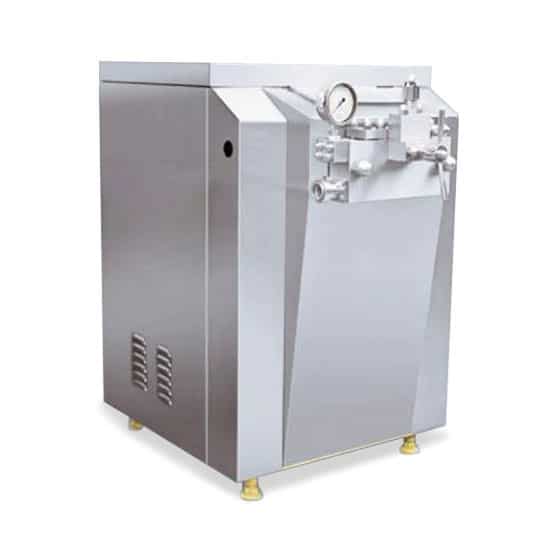
Ο γαλακτοκομικός ομογενοποιητής είναι ένα κρίσιμο εξάρτημα στη σύγχρονη επεξεργασία γαλακτοκομικών, σχεδιασμένο να μεταμορφώνει τις φυσικές ιδιότητες του γάλακτος μέσω υψηλής πίεσης. Αυτός ο γάλακτος ομογενοποιητής μειώνει το μέγεθος των λιποσφαιρίων από τα φυσικά 3-5 μικρόμετρα σε λιγότερο από 1 μικρόμετρο, δημιουργώντας ένα σταθερό, ομοιόμορφο μίγμα όπου το λίπος παραμένει διασκορπισμένο και δεν ανεβαίνει στην επιφάνεια. Το αποτέλεσμα είναι γαλακτοκομικά προϊόντα με πιο λεία υφή, καλύτερη αίσθηση στο στόμα, βελτιωμένη απορρόφηση θρεπτικών συστατικών και σημαντικά μεγαλύτερη διάρκεια ζωής. Είτε λειτουργείτε ένα μικρό κατάστημα γιαουρτιού είτε μια μεγάλη μονάδα επεξεργασίας γαλακτοκομικών, η κατανόηση του ρόλου της ομογενοποίησης στη γαλακτοκομική παραγωγή είναι ουσιώδης για την επίτευξη συνεπών, υψηλής ποιότητας προϊόντων που ικανοποιούν τις προσδοκίες των καταναλωτών.
Τεχνολογία Υψηλής Πίεσης: 15-25 MPa | Κατασκευή SUS 304 | Διφασική Ομογενοποίηση | Χωρητικότητα 200-5000L/ώρα
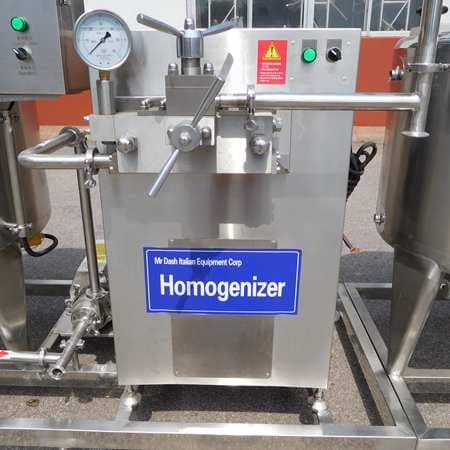
Γιατί η ομογενοποίηση είναι απαραίτητη στη γαλακτοκομική επεξεργασία
Στο ακατέργαστο γάλα, τα λιποκύτταρα είναι σχετικά μεγάλα και έχουν τάση να ανέρχονται στην επιφάνεια λόγω διαφορών πυκνότητας – αυτή είναι η κρέμα που μπορεί να έχετε παρατηρήσει στο ακατέργαστο γάλα. Αυτή η φυσική διαχωριστική διαδικασία παρουσιάζει αρκετές προκλήσεις για τους επεξεργαστές γάλακτος: ασυνεπής υφή προϊόντος, μη ελκυστική εμφάνιση και μειωμένη σταθερότητα στη διάρκεια ζωής. Το ομογενοποιητής γάλακτος λύνει αυτά τα προβλήματα με μηχανικό μικροσκοπικό μέγεθος λιποκυττάρων και δημιουργία ένωσης όπου το λίπος παραμένει ομοιόμορφα κατανεμημένο σε όλο το προϊόν.
Η Επιστήμη της Μείωσης Μεγέθους Λιποκυττάρων
Τα ακατέργαστα λιποσφαίρια γάλακτος κυμαίνονται συνήθως από 1-15 μικρά σε διάμετρο, με μέσο όρο γύρω στα 3-5 μικρά. Αυτά τα μεγαλύτερα σφαιρίδια ανέρχονται στην επιφάνεια λόγω της πλευστότητας (Νόμος του Stokes), σχηματίζοντας μια ορατή στρώση κρέμας εντός 24-48 ωρών.
Η ομογενοποίηση μειώνει αυτό το μέγεθος σε λιγότερο από 1 μικρό μέσω μηχανικής επεξεργασίας υψηλής πίεσης. Σε αυτό το μέγεθος, τα λιποσφαίρια παραμένουν μόνιμα σε αιώρηση και δεν διαχωρίζονται, δημιουργώντας μια σταθερή γαλακτωμάτωση που μπορεί να διαρκέσει εβδομάδες ή μήνες.
Επίδραση στην Παραγωγή Γιαουρτιού
Για παραγωγή γιαουρτιού, η ομογενοποίηση είναι ιδιαίτερα σημαντική διότι επηρεάζει άμεσα την τελική υφή, την εμφάνιση και την ποιότητα του γιαουρτιού:
| Επίδραση Ομογενοποίησης | Χωρίς Ομογενοποίηση | Με Ομογενοποίηση |
|---|---|---|
| Κατανομή Λίπους | Ανομοιόμορφο, επιπλέει στην επιφάνεια | Ομοιόμορφα κατανεμημένο |
| Υφή | Σκασμένο, ασυνεπές | Ομαλό, κρεμώδες |
| Διαχωρισμός ορού | Ορατό μετά από 24 ώρες | Ελάχιστο ή καθόλου |
| Διάρκεια Ζωής | 7-14 ημέρες | 14-21 ημέρες |
| Συνεπής Ζύμωση | Μεταβλητή ποιότητα παρτίδας | Συνεπή αποτελέσματα |
Κατανόηση Τεχνολογίας Ομογενοποίησης
Μονοφασική vs. Διφασική Ομογενοποίηση
Η διαδικασία ομογενοποίησης μπορεί να διαμορφωθεί ως μονό-στάδιο ή διπλό-στάδιο, καθένα με διαφορετικά πλεονεκτήματα:
| Διαμόρφωση | Πρώτη Στάση | Δεύτερη Στάση | Καλύτερο Για |
|---|---|---|---|
| Μονοφασική Στάση | 15-25 MPa | Κανένα | Τυπικό γιαούρτι, φρέσκο γάλα |
| Δύο-Σταδίων | 20-25 MPa | 3-5 MPa | Ελληνικό γιαούρτι, προϊόντα υψηλού λιπαρού, premium γαλακτοκομικά |
Η διπλή στάδια ομογενοποίηση είναι απαραίτητη για τα γαλακτοκομικά προϊόντα υψηλού λίπους επειδή:
- Προλαμβάνει την επανασυσκόλληση: Μετά την πρώτη στάση που διασπά τα λιποκύτταρα, η δεύτερη στάση σε χαμηλότερη πίεση αποτρέπει την επανασύνδεση τους
- Βελτιώνει τη σταθερότητα της εστεροποίησης: Δημιουργεί πιο σταθερούς δεσμούς μεταξύ λιποκυττάρων και πρωτεϊνών
- Βελτίωση Ανάπτυξης Υφής: Κρίσιμο για το παχύ, κρεμώδες ελληνικό γιαούρτι και premium προϊόντα
Γιατί η Πίεση έχει σημασία: Τεχνική Βαθιά Ανάλυση
Η σχέση μεταξύ πίεσης ομογενοποίησης και μεγέθους γαλακτοκομικών σφαιρίδων ακολουθεί προβλέψιμα μοτίβα:
| Πίεση | Μέσο Μέγεθος Σφαιριδίων | Αποτέλεσμα Υφής | Καλύτερη εφαρμογή |
|---|---|---|---|
| 10 MPa | 1.5-2.0 μικρά | Ελαφρύ, ρευστό | Ροφήματα για πόση |
| 15 MPa | 1.0-1.5 μικρά | Ομαλή, με μέτριο σώμα | Τυπικό γιαούρτι |
| 20 MPa | 0.5-1.0 μικρά | Πυκνό, κρεμώδες | Premium γιαούρτι |
| 25 MPa | < 0.5 μικρά | Πολύ παχύ, premium | Ελληνικό γιαούρτι, λαβνε |
Η Επιστήμη: Εφέ Κάβιτισης και Θραύσης
Ο υψηλής πίεσης ομογενοποιητής λειτουργεί μέσω δύο βασικών φυσικών φαινομένων:
Εφέ Κάβιτισης: Όταν το γάλα επιταχύνεται μέσω του διαστήματος του ομογενοποιητή υπό υψηλή πίεση, η στατική πίεση πέφτει κάτω από την κορεσμένη ατμοσφαιρική πίεση του λίπους, προκαλώντας κάβιτιση (δημιουργία μικροφυσαλίδων). Η κατάρρευση αυτών των φυσαλίδων δημιουργεί τοπικά σοκ που θρυμματίζουν μηχανικά τα λιποκύτταρα. Αυτό το φαινόμενο είναι ιδιαίτερα αποτελεσματικό για τη διάσπαση μεγάλων συσσωματωμάτων λίπους.
Εφέ Θραύσης: Η υψηλής ταχύτητας ροή μέσω στενών διαστημάτων βαλβίδας ομογενοποίησης παράγει ισχυρές δυνάμεις θραύσης (μηχανική θραύση ρευστού). Οι δυνάμεις αυτές διαμορφώνουν, elongate και τελικά θρυμματίζουν τα λιποκύτταρα σε λεπτά σωματίδια. Ο συνδυασμός κάβιτισης και θραύσης διασφαλίζει πλήρη ομογενοποίηση.
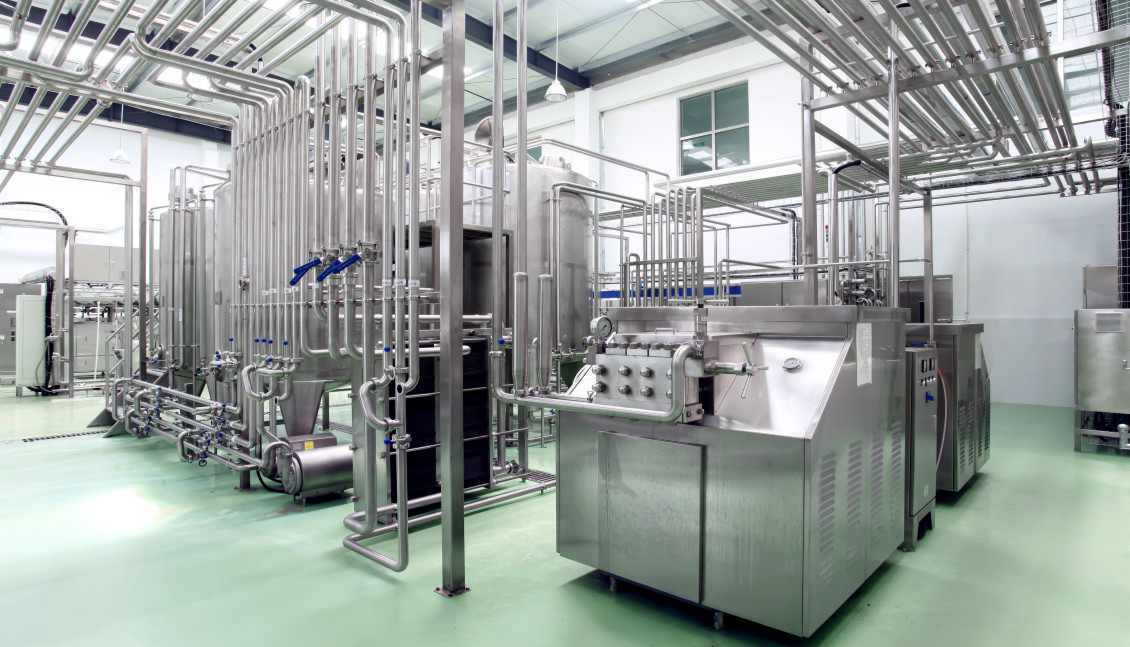
Τύποι εξοπλισμού ομογενοποίησης
Οι σύγχρονες εγκαταστάσεις επεξεργασίας γάλακτος χρησιμοποιούν διάφορους τύπους εξοπλισμού ομογενοποίησης:
| Τύπος | Πεδίο Πίεσης | Ικανότητα | Καλύτερη εφαρμογή | Εύρος Τιμών |
|---|---|---|---|---|
| Υψηλής Πίεσης Ομογενοποιητής | 15-25 MPa | 200-5000L/ώρα | Εμπορικό γιαούρτι | $8,000-$50,000 |
| Διβάθμιος Ομογενοποιητής | 20-25 5 MPa | 500-10000L/ώρα | Premium γαλακτοκομικά, ελληνικό γιαούρτι | $15,000-$80,000 |
| Υπερηχητικός Ομογενοποιητής | Ακουστικός | Έως 100L/ώρα | Εργαστήριο, έρευνα | $5,000-$20,000 |
| Ενδοσωματικός Ομογενοποιητής | 10-20 MPa | 1000-20000L/ώρα | Συνεχής παραγωγή | $20,000-$100,000+ |
Για τις περισσότερες εμπορικές εφαρμογές παραγωγής γιαουρτιού, ο υψηλής πίεσης ομογενοποιητής με διφασική διαμόρφωση προσφέρει την καλύτερη ισορροπία αποδοτικότητας, αποτελεσματικότητας και κόστους.
Shuliy έναντι ανταγωνιστών: Τεχνική Σύγκριση
| Χαρακτηριστικό | Shuliy Ομογενοποιητής | Τυπικός Ανταγωνιστής |
|---|---|---|
| Πεδίο Πίεσης | 15-25 MPa | 10-20 MPa |
| Διφασικός Σχεδιασμός | Πρότυπο | Συχνά μονοφασικό |
| Υλικό Παλμοδότη | Επίστρωση κεραμικών | Τυπικό χάλυβα |
| Υλικό Βαλβίδας | Τεχνολογία tungsten carbide | Ανθεκτικό ανοξείδωτο ατσάλι |
| Έλεγχος Θερμοκρασίας | Ενσωματωμένη θέρμανση | Απαιτείται εξωτερική |
| Σταθερότητα Πίεσης | /- 0.5 MPa | /- 1-2 MPa |
| Συνεχής λειτουργία | Δυνατότητα 24/7 | 8-12 ώρες |
| Αποδοτικότητα Μοτέρ | IE3 υψηλής απόδοσης | Τυπικό IE2 |
| Επίπεδο θορύβου | < 85 dB | 90-95 dB |
| Εγγύηση | 2 χρόνια | 1 έτος |
Κύρια Τεχνικά Πλεονεκτήματα
Υψηλής Τεχνολογίας Βαλβίδες: Οι βαλβίδες ομογενοποίησης μας κατασκευάζονται από tungsten carbide, προσφέροντας 3 φορές μεγαλύτερη διάρκεια ζωής σε σύγκριση με τις τυπικές βαλβίδες από ανοξείδωτο ατσάλι. Οι ακριβώς κατεργασμένες καθαρές επιφάνειες των βαλβίδων διασφαλίζουν συνεχή κατανομή πίεσης στην ομογενοποιητική σχισμή.
Προηγμένη Σχεδίαση Σφραγίδας: Η ιδιόκτητη τεχνολογία σφραγίδας αποτρέπει διαρροή πίεσης και επεκτείνει τα διαστήματα συντήρησης κατά 40%.
Υψηλής Αποδοτικότητας Μοτέρ: Οι μοτέρ IE3 υψηλής απόδοσης μειώνουν την κατανάλωση ενέργειας κατά 10-15% σε σύγκριση με τα τυπικά μοτέρ, μειώνοντας σημαντικά το λειτουργικό κόστος.
Ρόλος στην Παραγωγή Γιαούρτης
Στη γραμμή παραγωγής γιαούρτης, ο ομογενοποιητής απαιτεί προθέρμανση του γάλακτος στους περίπου 55C για βέλτιστη ελαστικότητα της μεμβράνης των λιποκυττάρων. Μηχανή προθέρμανσης γάλακτος τοποθετείται πριν από τον ομογενοποιητή για να διασφαλίσει τη σωστή θερμοκρασία πριν από την επεξεργασία. Μετά την ομογενοποίηση, το γάλα προχωρά σε στείρωση, δημιουργώντας το βέλτιστο υπόβαθρο για τη ζύμωση του γιαουρτιού.
Βέλτιστες παράμετροι επεξεργασίας
| Παράμετρος | Συνιστώμενη Τιμή | Επίδραση της Απόκλισης |
|---|---|---|
| Προθέρμανση | 50-60C | Κάτω από 45C: κακή ομογενοποίηση |
| Θερμοκρασία Ομογενοποίησης | 55-70C | Πάνω από 70C: πρωτεϊνική αποδιάταξη |
| Πρώτη Στάση Πίεσης | 20-25 MPa | Χαμηλότερα: μη ολοκληρωμένη ομογενοποίηση |
| Πίεση Δεύτερης Στάσης | 3-5 MPa | Απουσία: κίνδυνος επανασυσκόλλησης |
| Λόγος Λίπους προς Καζεΐνη | 0.2g καζεΐνης/γρ λίπους | Επηρεάζει τη σταθερότητα της υφής |
Ποιότητα ομογενοποίησης εξαρτάται από πολλούς διασυνδεδεμένους παράγοντες: θερμοκρασία, πίεση και λόγος λίπους προς καζεΐνη (ιδανικά 0,2g καζεΐνης ανά γραμμάριο λίπους). Όταν αυτοί οι παράγοντες βελτιστοποιούνται, το αποτέλεσμα είναι γάλα που ζυμώνεται ομοιόμορφα, παράγει γιαούρτι με ανώτερη υφή και διατηρεί την ποιότητα καθ’ όλη τη διάρκεια ζωής του.
Δομή & Συστατικά
Ο γάλακτος ομογενοποιητής είναι ένας τριπλός αντεπιστροφικός αντλητικός μηχανισμός που αποτελείται από εξαρτήματα υψηλής ακρίβειας:
Βασικά Στοιχεία
| Εξάρτημα | Λειτουργία | Διάστημα Συντήρησης |
|---|---|---|
| Κεντρικός άξονας κινητήρα | Μετατρέπει την περιστροφή του μοτέρ σε επαναλαμβανόμενη κίνηση | 12 μήνες |
| Ιμάντας μετάδοσης | Μεταφέρει την ισχύ στη συγκρότηση αντλίας | 6 μήνες |
| Παλμοδότες (3x) | Παράγει υψηλής πίεσης ροή | 3-6 μήνες |
| Βαλβίδες αναρρόφησης | Ελέγχει την είσοδο γάλακτος στο κύλινδρο | 6-12 μήνες |
| Βαλβίδες εκκένωσης | Ελέγχει την έξοδο του γάλακτος υπό πίεση | 6-12 μήνες |
| Βαλβίδα ομογενοποίησης | Κύριος χώρος ομογενοποίησης | 3-6 μήνες |
| Μετρητής Πίεσης | Παρακολουθεί την πίεση λειτουργίας | 12 μήνες |
| στεγανοποιήσεις και παρεμβύσματα | Διατηρεί την πίεση | 3-6 μήνες |
Πλεονεκτήματα τριπλής σχεδίασης παλμοδότη
Η τριπλή διαμόρφωση παλμοδότη παρέχει πολλά πλεονεκτήματα έναντι σχεδίων με έναν ή δύο παλμοδότες:
- Συνεχής Ροή: Ένα έμβολο βρίσκεται πάντα στην εκκένωση, διασφαλίζοντας αδιάκοπη παραγωγή
- Μειωμένος παλμός: Τρεις επικαλυπτόμενες κύκλοι πίεσης ελαχιστοποιούν τις διακυμάνσεις πίεσης
- Ισορροπημένη Λειτουργία: Η ισοκατανομή φορτίου σε τρία παλμοδότες μειώνει τη φθορά
- Υψηλότερη Αποδοτικότητα: Πιο ολοκληρωμένη επεξεργασία γάλακτος με κάθε κύκλο διαδρομής
Οδηγίες λειτουργίας για βέλτιστα αποτελέσματα
Διαχείριση Θερμοκρασίας
Πάντοτε προθερμαίνετε το γάλα στους 50-60C πριν από την ομογενοποίηση. Σε αυτό το εύρος θερμοκρασίας, οι μεμβράνες των λιποκυττάρων είναι οι πιο ελαστικές και μπορούν να διασπαστούν πιο αποτελεσματικά.
- Κάτω από 45C: Το λίπος είναι πολύ στερεό για σωστή εστεροποίηση
- Πάνω από 65C: Μπορεί να συμβεί αποδιάταξη πρωτεϊνών
- Βέλτιστη περιοχή: 55-70C για τις περισσότερες εφαρμογές γιαουρτιού
Βελτιστοποίηση Πίεσης
Για την παραγωγή τυριού γιαουρτιού, λειτουργήστε στους 15-20 MPa στην πρώτη στάση και 3-5 MPa στη δεύτερη. Υψηλότερες πιέσεις (έως 25 MPa) μπορούν να χρησιμοποιηθούν για προϊόντα με υψηλά λιπαρά ή όταν παράγεται γιαούρτι υψηλής ποιότητας με επιπλέον ομαλή υφή.
Έλεγχος Ροής
Διατηρείτε σταθερές ροές μέσω του ομογενοποιητή. Οι απότομες αλλαγές πίεσης μπορούν να βλάψουν τις βαλβίδες και να μειώσουν την αποδοτικότητα ομογενοποίησης. Χρησιμοποιήστε μεταβλητές συχνότητες για την προσαρμογή των ροών για διαφορετικά μεγέθη παρτίδων.
Απαιτούμενο Προ-φιλτράρισμα
Πάντοτε φιλτράρετε το ωμό γάλα πριν από την ομογενοποίηση για να αφαιρέσετε απορρίμματα, τρίχες και άλλα σωματίδια που θα μπορούσαν να φράξουν τη βαλβίδα ομογενοποίησης ή να βλάψουν τα παλμοδότες. Εγκαταστήστε φίλτρο 100-200 mesh πριν από τον ομογενοποιητή.
Μέθοδοι Πιστοποίησης Ποιότητας
Οπτικός έλεγχος
Τα σημάδια σωστής ομογενοποίησης περιλαμβάνουν:
- Δεν υπάρχει ορατή κρέμα μετά από 24 ώρες αποθήκευσης
- Ομοιόμορφη λευκή εμφάνιση χωρίς κιτρινωπή απόχρωση
- Ομαλή, συνεπής υφή
Μικροσκοπική Ανάλυση
Ο τακτικός έλεγχος με μικροσκόπιο για την παρατήρηση του μεγέθους των λιποκυττάρων είναι ο πιο αξιόπιστος δείκτης:
- Καλή ομογενοποίηση: < 1 μικρό
- Υπο-ομογενοποιημένο: 1-3 μικρά με ορατές διακυμάνσεις
- Κακή ομογενοποίηση: > 3 μικρά με διαχωρισμό κρέμας
Δοκιμές Σταθερότητας
Διεξάγετε δοκιμές σταθερότητας αποθήκευσης:
- Δοκιμή 24 ωρών: Χωρίς ορατό διαχωρισμό
- 7-ήμερη δοκιμή: Ελάχιστη αποδεκτή διαχωρισμός ορού
- Δοκιμή 14 ημερών: Πρέπει να διατηρείται ομαλή υφή
Οικονομική Ανάλυση: ROI Ομογενοποίησης
Σύγκριση Κόστους
| Παράγοντας | Χωρίς Ομογενοποιητή | Με Ομογενοποιητή | Εξοικονόμηση |
|---|---|---|---|
| Αξία Προϊόντος | Βασική τιμή | Προϊόντα υψηλής τιμής ( 15-20%) | $0.15-0.20/φλιτζάνι |
| Διάρκεια Ζωής | 7-14 ημέρες | 14-21 ημέρες | 50% επέκταση |
| Απώλειες | 3-5% | < 1% | 2-4% της παραγωγής |
| Παραπομπές πελατών | Συχνά | Σπάνια | Αμέτρητο |
Υπολογισμός Απόσβεσης
Για μια λειτουργία γιαουρτιού 1000L/ημέρα:
- Επένδυση εξοπλισμού: $20,000-35,000
- Ετήσια παραγωγή: 300.000 λίτρα
- Αύξηση αξίας από το premium προϊόν: $45,000/έτος
- Μείωση σπατάλης: εξοικονόμηση $6,000/έτος
- Πρόσθετο ενεργειακού κόστους: $2,000/έτος
- Καθαρό ετήσιο όφελος: $49,000
- Περίοδος απόσβεσης: 5-7 μήνες
Πρόγραμμα Συντήρησης
Καθημερινές λειτουργίες
Ελέγξτε τα επίπεδα λαδιού, ακούστε για ασυνήθιστους θορύβους και επιβεβαιώστε τις μετρήσεις πίεσης πριν από κάθε παραγωγική λειτουργία.
Εβδομαδιαία συντήρηση
Ελέγξτε τις στεγανοποιήσεις και τα παρεμβύσματα για φθορά, καθαρίστε τις βαλβίδες ομογενοποίησης και ελέγξτε την τάση της ζώνης.
Μηνιαία Υπηρεσία
Αντικαταστήστε φθαρμένες στεγανοποιήσεις, ελέγξτε τις βαλβίδες αναρρόφησης και εκκένωσης και βαθμονομήστε τους αισθητήρες πίεσης.
Ετήσια Αναθεώρηση
Πλήρης επιθεώρηση των παλμοδότες, καθίσματα βαλβίδων και ρουλεμάν· αντικατάσταση όλων των φθαρμένων ανταλλακτικών· επιβεβαίωση μηχανικής ακεραιότητας.
Τεχνικές Προδιαγραφές
| Παράμετρος | Προσδιορισμός |
|---|---|
| Τύπος Εξοπλισμού | Ομογενοποιητής υψηλής πίεσης |
| Κύρια Δομή | Αντλία τριών εμβόλων |
| Υλικό | Ανοξείδωτο ατσάλι SUS 304 |
| Βέλτιστη Θερμοκρασία | 55-70C |
| Πίεση λειτουργίας | 15-25 MPa |
| Πρώτη Στάση | Ρυθμιζόμενα 15-25 MPa |
| Δεύτερη Στάση | 3-5 MPa ρυθμιζόμενα |
| Ικανότητα | 200-5000L/ώρα |
| Ισχύς Μοτέρ | 7.5-45 kW ανάλογα με το μοντέλο |
| Εφαρμογές | Γαλακτοκομικά, ποτά, βιοτεχνολογία, φαρμακευτικά |
Συχνές Ερωτήσεις
Q: Ποια είναι η διαφορά μεταξύ μονοβάθμιου και διβάθμιου ομογενοποίησης;
Α: Ο μονοβάθμιος ομογενοποιητής χρησιμοποιεί μία βαλβίδα ομογενοποίησης σε υψηλή πίεση. Ο διβάθμιος ομογενοποιητής προσθέτει μια δεύτερη βαλβίδα σε χαμηλότερη πίεση (συνήθως 3-5 MPa) μετά το πρώτο στάδιο. Το δεύτερο στάδιο αποτρέπει την επανασυγκόλληση των λιποσφαιρίων και είναι ιδιαίτερα σημαντικό για προϊόντα υψηλού λιπαρού περιεχομένου, όπως η κρέμα ή το γιαούρτι, διασφαλίζοντας μακροπρόθεσμη σταθερότητα και συνεπή υφή.
Q: Μπορεί η ομογενοποίηση να αντικαταστήσει την παστερίωση;
Α: Όχι, η ομογενοποίηση και η παστερίωση εξυπηρετούν διαφορετικούς σκοπούς. Η ομογενοποίηση είναι μια μηχανική διαδικασία που μειώνει το μέγεθος των λιποσφαιρίων, ενώ η παστερίωση είναι μια θερμική επεξεργασία που καταστρέφει παθογόνα βακτήρια. Και οι δύο διαδικασίες χρησιμοποιούνται συνήθως στη παραγωγή γιαουρτιού για διαφορετικούς σκοπούς.
Q: Πώς γνωρίζω αν ο ομογενοποιητής μου λειτουργεί σωστά;
Α: Τα σημάδια σωστής ομογενοποίησης περιλαμβάνουν: κανένα ορατό στρώμα κρέμας μετά από 24 ώρες αποθήκευσης, λεία υφή στο τελικό γιαούρτι και συνεπή αποτελέσματα από παρτίδα σε παρτίδα. Τακτικός έλεγχος με μικροσκόπιο για την παρακολούθηση του μεγέθους των λιποσφαιρίων (θα πρέπει να είναι μικρότερα από 1 μικρόμετρο) αποτελεί τον πιο αξιόπιστο δείκτη αποτελεσματικότητας της ομογενοποίησης.
Ε: Ποια συντήρηση απαιτείται για τον ομογενοποιητή;
Α: Η καθημερινή επιθεώρηση περιλαμβάνει έλεγχο επιπέδων λαδιού και μετρήσεις πίεσης. Η εβδομαδιαία συντήρηση περιλαμβάνει έλεγχο στεγανοποιήσεων και καθαρισμό βαλβίδων. Ο μηνιαίος έλεγχος περιλαμβάνει την αντικατάσταση φθαρμένων στεγανοποιήσεων και την βαθμονόμηση αισθητήρων. Ο ετήσιος ανασχεδιασμός περιλαμβάνει πλήρη έλεγχο των παλμοδότες και των ρουλεμάν.
Σχετικά Προϊόντα
Για ολοκληρωμένες λύσεις επεξεργασίας γάλακτος, εξερευνήστε τον συμπληρωματικό εξοπλισμό μας:
- Γραμμή Παραγωγής Γιαουρτιού – Πλήρης λύση «turnkey» που ενσωματώνει την ομογενοποίηση ως βασικό στάδιο επεξεργασίας
- Μηχάνημα Παστερίωσης Γάλακτος – Αποστειρώνει το ομογενοποιημένο γάλα για ασφαλή κατανάλωση
- Φίλτρο γιαούρτης Duplex – Εξοπλισμός προφίλτρανσης για ωμό γάλα πριν την ομογενοποίηση
- Μηχανή ζύμωσης για γιαούρτι – Ζυμώνει αποστειρωμένο και ομογενοποιημένο γάλα σε γιαούρτι
Γεια,
Σας γράφω για να ρωτήσω σχετικά με την ικανότητά σας να προμηθεύετε μια πλήρη γραμμή παραγωγής γάλακτος σε σκόνη, συμπεριλαμβανομένου του στεγνωτηρίου ψεκασμού και της μηχανής συσκευασίας για σακούλες χύδην.
Σας γράφω για να ρωτήσω για τον εξοπλισμό σας για πλήρη γραμμή παραγωγής γάλακτος σε σκόνη τόσο αυτόματη όσο και ημιαυτόματη.
Παρακαλούμε αναφέρετε λεπτομερώς τις καλύτερες τιμές σας για την προμήθεια ολοκαίνουργιων πλήρους γραμμής παραγωγής
Παρακαλείστε επίσης να δηλώσετε με σαφήνεια τις διαθέσιμες χωρητικότητες σε χωρητικότητα, την τετραγωνική έκταση που απαιτείται για να φιλοξενήσει τον εξοπλισμό σας,
Θα ήθελα επίσης να ρωτήσω για την τεχνολογία παραγωγής, παρέχετε παραγωγή γάλακτος σε σκόνη χαμηλής και μέσης θερμότητας;
Ανυπομονώ να ακούσω από εσάς.
Σας ευχαριστώ
Ο Ουαλίντ
Ψάχνω προσφορά για ομογενοποιητή γάλακτος. Πρεσσα 200 bar
Έως 10 κιλά
10 -20kg απλός ομογενοποιητής
Γεια σας, έχω ενημερώσει τον σύμβουλο πωλήσεών μας να σας στείλει τις λεπτομέρειες και την τιμή του μηχανήματος. Παρακαλώ ελέγξτε το email του Shuliy.
Αγαπητός,
Ήθελα να ρωτήσω αν έχετε ομογενοποιητή γάλακτος με τα παρακάτω στοιχεία και αν μπορείτε να τον εξάγετε στην Ιορδανία και πόσος χρόνος χρειάζεται, τον χρειάζομαι το συντομότερο:
Χωρητικότητα: 1000-1500 λίτρα
Παραγωγή: 200 bar/ώρα
Ευχαριστώ εκ των προτέρων
Γεια σας, ευχαριστώ για την ερώτησή σας. Ενημέρωσα τον επαγγελματία διευθυντή για να σας στείλει λεπτομέρειες και τιμή μηχανής, pls προσοχή email από το shuliy
Καλημέρα,
Μπορούμε να ρωτήσουμε σχετικά με το μηχάνημα ομογενοποιητή γαλακτοκομικών προϊόντων; Μπορείτε να μας στείλετε λεπτομέρειες σχετικά με αυτήν την έρευνα;
Ευχαριστώ και χαιρετισμούς.
Γεια σας, έχω ενημερώσει τον επαγγελματία διευθυντή να σας στείλει τα στοιχεία και την τιμή του μηχανήματος, pls προσοχή email από το shuliy
Αγαπητέ κύριε καλημέρα μας ενδιαφέρει το homlzenizer και άλλα προϊόντα επεξεργασίας γάλακτος unite pls απάντηση
Γεια σας, έχω ενημερώσει τον επαγγελματία διευθυντή να σας στείλει λεπτομέρειες και τιμή μηχανής, pls μήνυμα προσοχής από τον shuliy
Αγαπητέ κύριε συγγνώμη ομογενοποιητή
Γεια σας, έχω ενημερώσει τον επαγγελματία διευθυντή να σας στείλει λεπτομέρειες και τιμή μηχανής, pls μήνυμα προσοχής από τον shuliy