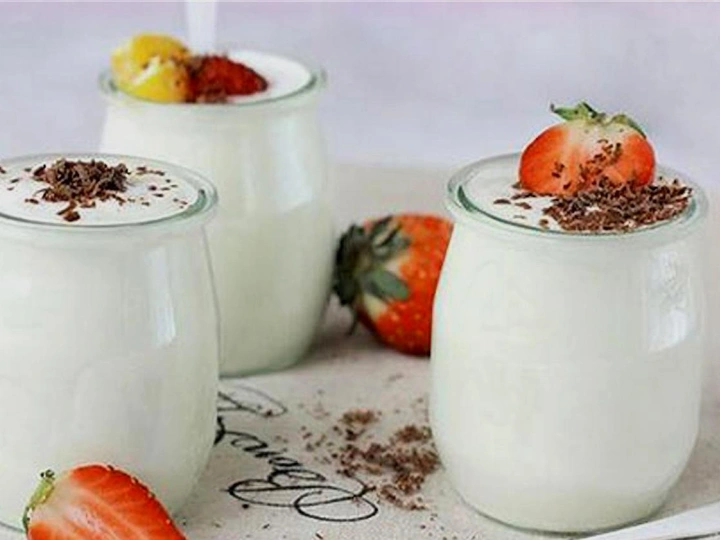
Guide de marketing pour les entreprises de yaourt : stratégies pour développer votre marque laitière
Lancer une entreprise de production de yaourt n'est que la moitié de la bataille. La commercialisation réussie de votre marque de yaourt nécessite une planification stratégique, une compréhension du comportement des consommateurs, et la construction de canaux de distribution solides. Ce guide complet couvre tout, du positionnement de la marque aux stratégies de marketing numérique, pour transformer votre capacité de production en une marque rentable.
Le marché mondial du yaourt devrait atteindre 140 milliards de dollars d'ici 2028, stimulé par la conscience santé et l'innovation produit. Comprendre la dynamique du marché est essentiel pour un marketing efficace :
Croissance du marché par segment
Segment
Taille du marché (2024)
Taux de croissance
Principales opportunités
Yaourt classique
65 milliards de dollars
4-5 % par an
Marché de masse, tarification axée sur la valeur
Yaourt grec
12 milliards de dollars
8-10 % par an
Positionnement premium, marché du fitness
Yaourt à boire
8 milliards de dollars
10-12 % par an
Marchés émergents, commodité
Yaourt à base de plantes
3 milliards de dollars
15-18 % par an
Consommateurs véganes, sans lactose
Yaourt biologique
5 milliards de dollars
12-15 % par an
Acheteurs soucieux de leur santé, premium
Insights sur le comportement des consommateurs
Segment de consommateurs
Pourcentage
Facteurs clés d'achat
Sensibilité au prix
Consommateurs soucieux de leur santé
35%
Contenu en protéines, faible en sucre, probiotiques
Faible
Chercheurs de goût
25%
Variété de saveurs, texture
Moyenne
Acheteurs à valeur
20%
Prix, promotions, packs familiaux
Élevé
Acheteurs premium
15%
Marque, biologique, artisanal
Faible
Chercheurs de commodité
5%
Portabilité, formats individuels
Moyenne
Stratégies de positionnement de marque
Le positionnement de votre marque détermine la perception des consommateurs de vos produits dans un marché concurrentiel :
Cadre de positionnement
Positionnement
Public cible
Point de prix
Message clé
Exemple
Santé & Bien-être
Passionnés de fitness, soucieux de leur santé
Premium
Protéines élevées, faible teneur en sucre, probiotiques
Chobani, Oikos
Valeur familiale
Familles avec enfants
Budget moyen
Nutritif, abordable, adapté aux enfants
Dannon, Yoplait
Positionnement artisanal premium
Amateurs de gastronomie, acheteurs premium
Élevé
Ingrédients artisanaux, locaux, saveurs uniques
Noosa, Siggi's
Authenticité traditionnelle
Consommateurs culturels, traditionalistes
Moyenne
Recettes authentiques, patrimoine
Marques du Moyen-Orient, indiennes
Avantages fonctionnels
Besoins de santé spécifiques
Premium
Santé digestive, immunité, énergie
Activia, Yakult
Éléments d'identité de marque
Élément
Importance
Meilleures pratiques
Nom de marque
Critique
Mémorable, pertinent, pouvant être trademarké
Conception de logo
Élevé
Design épuré, moderne, reflète les valeurs de la marque
Design d'emballage
Critique
Attrayant, informatif, attrait en rayon
Schéma de couleurs
Élevé
Santé (vert/bleu), Premium (or/noir)
Histoire de la marque
Moyenne
Authentique, relatable, différenciateur
Stratégie de canal de distribution
Choisir les bons canaux de distribution est crucial pour atteindre vos clients cibles :
Comparaison des canaux
Canal
Marge
Volume
Coût d'installation
Meilleur pour
Vente directe
60-70%
Faible à moyen
Faible
Startups, marché local
Magasins de détail
40-50%
Moyen-haut
Moyenne
Marques établies
Supermarchés
35-45%
Élevé
Élevé
Production à grande échelle
Vente en ligne/livraison
50-60%
Moyenne
Moyenne
Zones urbaines, haut de gamme
Restauration
45-55%
Moyen-haut
Moyenne
Restaurants, cafés
Institutionnel
30-40%
Très élevé
Faible à moyen
Écoles, hôpitaux
Feuille de route de développement des canaux
Phase
Calendrier
Canaux
Investissement
Revenu attendu
Phase 1 : Lancement
Mois 1-3
Ventes directes, magasins locaux
$2,000-5,000
3 000-8 000 $/mois
Phase 2 : Croissance
Mois 4-9
Détaillants régionaux, en ligne
$5,000-15,000
10 000-25 000 $/mois
Phase 3 : Expansion
Mois 10-18
Supermarchés, restauration
$15,000-40,000
30 000-80 000 $/mois
Phase 4 : Expansion
Moins de 19 mois
Distribution nationale
$40,000-100,000
100 000 $ /mois
Stratégie de tarification
Un prix efficace équilibre rentabilité et compétitivité sur le marché :
Le marketing réussi pour une marque de yaourt nécessite une approche multicanal combinant positionnement de la marque, stratégie de distribution, marketing numérique, et programmes de fidélisation. Commencez par la vente directe et les magasins locaux, puis étendez-vous aux détaillants régionaux et aux canaux en ligne à mesure que votre marque se développe. Allouez 10-20 % du chiffre d'affaires au marketing, en vous concentrant sur les canaux avec le meilleur ROI pour votre public cible.
Contact Shuliy Machinery for yogurt production equipment that supports your brand growth. Our complete production lines from 200L to 5000L capacity provide the foundation for building a successful yogurt brand.
Combien devrais-je dépenser pour le marketing de mon entreprise de yaourt ?
Allouer 10-20 % du chiffre d'affaires au marketing selon l'étape de votre entreprise. Les startups devraient dépenser 15-20 % (750-3 000 $/mois), les entreprises en croissance 10-15 % (1 500-7 500 $/mois), et les marques établies 5-12 % (4 000-18 000 $/mois).
Quel est le meilleur canal marketing pour les entreprises de yaourt ?
Les offres d'échantillonnage de produits offrent le meilleur ROI (4-8x) pour les nouvelles marques de yaourt, suivies par le marketing par email (5-10x ROI) pour la fidélisation. Pour la notoriété, les publicités sur les réseaux sociaux (3-5x ROI) et les partenariats avec des influenceurs (4-8x ROI) sont les plus efficaces.
Comment puis-je fixer le prix de mes produits de yaourt ?
Utiliser une tarification basée sur le coût avec une marge brute de 55-70 %. Le yaourt nature (200 g) doit être tarifé entre 0,80 et 1,20 $, le aromatisé entre 1,00 et 1,50 $, et le yaourt grec entre 1,50 et 2,50 $. Ajuster selon votre marché cible et votre positionnement concurrentiel.
Comment puis-je fidéliser mes clients pour ma marque de yaourt ?
Mettre en œuvre une combinaison de programmes de fidélité (points ou abonnement), une qualité de produit constante, un contenu engageant sur les réseaux sociaux, et un excellent service client. Viser un taux de réachat de 50-60 % et un score Net Promoter supérieur à 60.