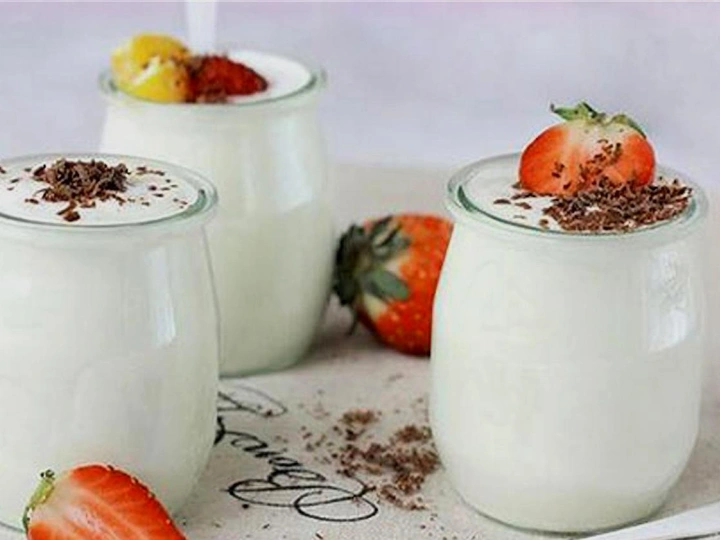
요거트 생산 사업을 시작하는 것만으로는 절반에 불과합니다. 성공적인 브랜드 마케팅을 위해서는 전략적 계획, 소비자 행동 이해, 강력한 유통 채널 구축이 필요합니다. 이 포괄적 가이드는 브랜드 포지셔닝부터 디지털 마케팅 전략까지 모든 내용을 다루며, 생산 능력을 수익성 있는 브랜드로 전환하는 데 도움을 줍니다.
글로벌 요거트 시장은 2028년까지 1400억 달러에 이를 것으로 예상되며, 건강 의식과 제품 혁신이 주도합니다. 시장 역학을 이해하는 것은 효과적인 마케팅에 필수적입니다.
시장 세그먼트별 성장률
세그먼트
시장 규모 (2024)
성장률
주요 기회
일반 요거트
$65 billion
연 4-5%
대중 시장, 가치 가격
: 그릭 요거트
$12 billion
연 8-10%
프리미엄 포지셔닝, 피트니스 시장
음료용 요거트
$8 billion
연 10-12%
편리성, 신흥 시장
식물성 요거트
30억 달러
연 15-18%
비건, 유당 무첨가 소비자
유기농 요거트
50억 달러
연 12-15%
건강 의식자, 프리미엄 구매자
소비자 행동 인사이트
소비자 세그먼트
백분율
주요 구매 동인
가격 민감도
건강 의식자
35%
단백질 함량, 저당, 프로바이오틱스
저전력
맛 추구자
25%
맛의 다양성, 식감
중간
가치 구매자
20%
가격, 프로모션, 가족 세트
높음
프리미엄 구매자
15%
브랜드, 유기농, 장인
저전력
편의성 추구자
5%
휴대성, 1회용
중간
브랜드 포지셔닝 전략
브랜드 포지셔닝은 경쟁이 치열한 시장에서 소비자가 요거트 제품을 어떻게 인식하는지 결정합니다.
포지셔닝 프레임워크
포지셔닝
목표 고객
가격 포인트
핵심 메시지
예시
건강 및 웰빙
피트니스 애호가, 건강 의식자
프리미엄
고단백, 저당, 프로바이오틱스
초바니, 오이코스
가족 가치
가족이 있는 가구
중간 예산
영양가 높고, 가격 적당하며, 어린이 친화적
다논, 요플레
장인 프리미엄
식품 애호가, 프리미엄 구매자
높음
수제, 지역 재료, 독특한 맛
누오사, 시기
전통적 정통
문화 소비자, 전통주의자
중간
진정성 있는 레시피, 유산
중동, 인도 브랜드
기능적 이점
특정 건강 요구사항
프리미엄
소화 건강, 면역력, 에너지
액티비아, 야쿨트
브랜드 정체성 요소
요소
중요성
모범 사례
브랜드 이름
중요
기억에 남고, 관련성 높으며, 상표 등록 가능
로고 디자인
높음
청결하고 현대적이며, 브랜드 가치를 반영
포장 디자인
중요
눈에 띄고 정보 전달이 뛰어나며 선반 매력
컬러 스킴
높음
건강(초록/파랑), 프리미엄(금/검정)
브랜드 스토리
중간
진정성, 공감대 형성, 차별화
유통 채널 전략
적절한 유통 채널 선택은 목표 고객에게 도달하는 데 매우 중요합니다.
채널 비교
채널
이익률
용량
설정 비용
적합한 용도
직접 판매
60-70%
저-중간
저전력
스타트업, 지역 시장
소매점
40-50%
중간-높음
중간
설립된 브랜드
슈퍼마켓
35-45%
높음
높음
대규모 생산
온라인/배달
50-60%
중간
중간
도시 지역, 프리미엄
식품 서비스
45-55%
중간-높음
중간
레스토랑, 카페
기관 고객
30-40%
매우 높음
저-중간
학교, 병원
채널 개발 로드맵
단계
일정표
채널
투자
예상 수익
1단계: 출시
1-3개월
직접 판매, 지역 매장
$2,000-5,000
월 $3,000-8,000
2단계: 성장
4-9개월
지역 소매업체, 온라인
$5,000-15,000
월 $10,000-25,000
3단계: 확장
월 10-18
슈퍼마켓, 식품 서비스
$15,000-40,000
월 $30,000-80,000
4단계: 확장
19개월 이상
국가 유통
$40,000-100,000
월 $10만 이상
가격 전략
효과적인 가격 책정은 수익성과 시장 경쟁력을 균형 있게 유지하는 것:
가격 책정 모델
모델
설명
장점
단점
적합한 용도
원가 마크업
비용 마크업(50-70%)
단순하며 이익 보장
시장 가치를 반영하지 않을 수 있음
스타트업
가치 기반
인지된 가치에 따른 가격 책정
이익 극대화
시장 조사 필요
프리미엄 브랜드
경쟁력 있음
경쟁사와 일치 또는 능가
포지셔닝이 용이함
가격 경쟁 위험
대량 시장
시장 침투
초기 가격을 낮게 책정하여 시장 점유율 확보
빠른 시장 진입
초기 이익률 낮게 설정
신규 진입자
스키밍
초기 가격 높게 책정 후 점차 인하
초기 수익 극대화
한정된 용량
혁신적 제품
제품 유형별 추천 가격
제품 유형
단위당 비용
권장 가격
총이익률
플레인 요거트(200g)
$0.30-0.45
$0.80-1.20
55-65%
맛이 가미된 요거트(200g)
$0.35-0.55
$1.00-1.50
55-65%
그리스 요거트(200g)
$0.50-0.75
$1.50-2.50
60-70%
음료용 요거트(250ml)
$0.25-0.40
$0.80-1.20
55-65%
유기농 요거트(200g)
$0.55-0.80
$1.80-3.00
60-70%
디지털 마케팅 전략
소셜 미디어 마케팅
플랫폼
콘텐츠 유형
주파수
참여율
적합한 용도
인스타그램
제품 사진, 레시피, 비하인드 스토리
일일
2-5%
비주얼 브랜딩, 젊은 고객층
페이스북
프로모션, 커뮤니티 구축
주 3-5회
1-3%
가족 대상, 지역 마케팅
틱톡
짧은 영상, 챌린지, 레시피
주 3-5회
5-10%
Z세대, 바이럴 잠재력
유튜브
레시피 튜토리얼, 공장 투어
주간
3-7%
교육 콘텐츠, 브랜드 신뢰
링크드인
B2B 콘텐츠, 업계 인사이트
주간
1-2%
식품 서비스, 기관 판매
콘텐츠 마케팅 전략
콘텐츠 유형
목적
주파수
생산 비용
레시피 블로그
트래픽 유도, 참여도 향상
주 2-3회
기사당 $50-150
건강 관련 기사
권위 구축, SEO
주간
기사당 $100-300
비디오 튜토리얼
브랜드 인지도, 신뢰
주간
영상당 $200-500
고객 이야기
사회적 증거, 신뢰 구축
월간
스토리당 $100-300
인포그래픽
공유 가능한 콘텐츠, 백링크
월간
$100-200/인포그래픽
요거트 비즈니스를 위한 SEO 전략
SEO 요소
조치
기대 효과
지역 SEO
구글 마이 비즈니스, 지역 인용
지역 트래픽 30-50% 증가
제품 페이지
"요거트 근처" 검색 최적화
매장 방문 20-40% 증가
레시피 콘텐츠
레시피 관련 키워드 타겟팅
유기농 트래픽 50-100% 증가
건강 콘텐츠
건강 관련 키워드 타겟팅
권위 있는 트래픽 30-60% 증가
백링크 구축
푸드 블로거와 협력
도메인 권한 20-40% 증가
프로모션 전략
매장 내 프로모션
전술
비용
예상 상승 효과
적합한 용도
샘플링
월 $200-500/이벤트
판매 20-40% 증가
신제품 출시
엔드캡 디스플레이
주당 $100-300
판매 증가 15-30%
트래픽이 많은 매장
쿠폰 프로모션
10-20% 할인
25-50% 용량 증가
가격 민감 시장
번들 딜
10-15% 할인
장바구니 크기 20-35% 증가
가족 구매자
로열티 프로그램
이익률 5-10%
재구매율 30-50%
고객 유지
디지털 프로모션
전술
비용
예상 ROI
적합한 용도
소셜 미디어 광고
월 $500-2,000
3-5배 ROI
브랜드 인지도
구글 광고
월 $1,000-5,000
2-4배 ROI
직접 판매
인플루언서 파트너십
캠페인당 $500-5,000
4-8배 ROI
틈새 시장 대상
이메일 마케팅
월 $100-500
5-10배 ROI
고객 유지
추천 프로그램
10-15% 할인
ROI 3-6배
구전 마케팅 성장
고객 충성도 구축
로열티 프로그램 유형
프로그램 유형
구조
비용
유지력 영향
포인트 적립 기반
구매 시 포인트 적립
수익의 3-5%
20-30% 증가
구독 서비스
월별 배송, 할인
10-15% 할인
유지율 40-60%
VIP 계층
계층별 혜택
수익의 5-10%
30-50% 증가
적립 카드
X 구매 시 1개 무료
이익률 10-15%
15-25% 증가
커뮤니티
독점 콘텐츠, 이벤트
월 $500-2,000
25-40% 증가
고객 유지 지표
미터법
산업 평균
목표
개선 전략
재구매율
30-40%
50-60%
로열티 프로그램, 구독 서비스
고객 평생 가치
$50-100
$100-200
업셀링, 교차 판매
이직률
월 20-30%
월 10-15%
참여도, 품질 일관성
넷 프로모터 점수
30-50
60-80
고객 경험, 품질
마케팅 예산 배분
사업 단계별 추천 예산
단계
월별 수익
마케팅 예산
배분
스타트업
$5,000-15,000
15-20% ($750-3,000)
디지털 40%, 샘플링 30%, PR 20%, 기타 10%
성장
$15,000-50,000
10-15% ($1,500-7,500)
디지털 35%, 무역 25%, 샘플링 20%, 기타 20%
설립된 브랜드
$50,000-150,000
8-12% ($4,000-18,000)
디지털 30%, 무역 30%, 브랜드 20%, 기타 20%
스케일
$150,000+
5-10% ($7,500-15,000+)
디지털 25%, 무역 35%, 브랜드 25%, 기타 15%
마케팅 ROI 벤치마크
채널
평균 ROI
투자 회수 기간
최고 활용법
소셜 미디어
3-5배
1-3개월
브랜드 인지도
구글 광고
2-4배
1-2개월
직접 판매
샘플링
4-8배
1-4주
제품 체험
이메일 마케팅
5-10배
즉시
유지율
인플루언서
4-8배
1-2개월
틈새 시장 대상
전시회
2-5배
3-6개월
B2B 판매
결론
성공적인 요거트 비즈니스 마케팅은 브랜드 포지셔닝, 유통 전략, 디지털 마케팅, 고객 충성도 프로그램을 결합하는 다채널 접근 방식을 필요로 합니다. 초기에는 직판과 지역 매장에서 시작하여, 브랜드 성장에 따라 지역 소매업체와 온라인 채널로 확장하세요. 수익의 10-20%를 마케팅에 배정하며, 목표 고객에게 가장 높은 ROI를 제공하는 채널에 집중하세요.
Contact Shuliy Machinery for yogurt production equipment that supports your brand growth. Our complete production lines from 200L to 5000L capacity provide the foundation for building a successful yogurt brand.