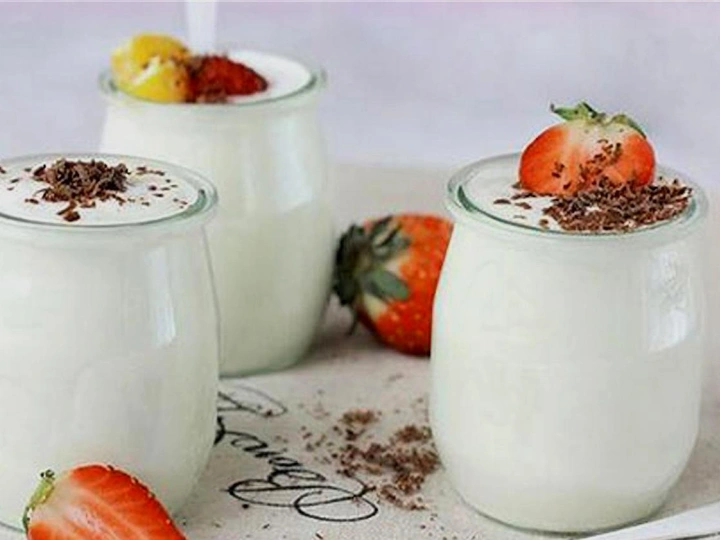
ヨーグルト生産事業の開始は半分の戦いです。ブランドの成功には戦略的計画、消費者行動の理解、強力な流通チャネルの構築が必要です。この包括的ガイドは、ブランドポジショニングからデジタルマーケティング戦略まで、ヨーグルト事業のすべてをカバーし、生産能力を収益性の高いブランドに変える手助けをします。
ヨーグルト市場の状況理解 2028年までに世界のヨーグルト市場は$1400億に達すると予測されており、健康意識と商品革新によって推進されます。市場動向の理解は効果的なマーケティングに不可欠です:
セグメント別市場成長 セグメント 市場規模(2024年) 成長率 主要な機会 レギュラーヨーグルト $650億 4〜5%の年間成長 マスマーケット、バリュー価格 ギリシャヨーグルト $120億 年間8-10% プレミアムポジショニング、フィットネスマーケット 飲むヨーグルト $8 billion 年間10-12% 利便性、新興市場 植物性ヨーグルト $30億 年間15-18% ヴィーガン、乳糖不耐症の消費者 オーガニックヨーグルト $50億 年間12-15% 健康志向、プレミアムバイヤー
消費者行動の洞察 消費者セグメント 割合 主要購入ドライバー 価格感度 健康志向 35% タンパク質含有量、低糖、プロバイオティクス 低 味の追求者 25% フレーバーバリエーション、食感 中程度 バリュー志向 20% 価格、プロモーション、ファミリーパック 高 プレミアムバイヤー 15% ブランド、オーガニック、職人 低 利便性を求める層 5% 持ち運びや一人用パック 中程度
ブランドポジショニング戦略 ブランドポジショニングは、競争の激しい市場で消費者にどのように製品を認識させるかを決定します:
ポジショニングフレームワーク ポジショニング ターゲット層 価格ポイント 重要なメッセージ 例示 健康&ウェルネス フィットネス愛好者、健康志向者 プレミアム 高タンパク、低糖、プロバイオティクス Chobani、Oikos ファミリー価値 子供のいる家庭 中予算 栄養価が高く、手頃で子供向き Dannon、Yoplait 職人技のプレミアム 食品愛好家、プレミアムバイヤー 高 手作り、地元の材料、ユニークなフレーバー Noosa、Siggi's 伝統的本格派 文化的消費者、伝統主義者 中程度 本格的なレシピ、伝統 中東、インドブランド 機能的利点 特定の健康ニーズ プレミアム 消化器の健康、免疫、エネルギー Activia、Yakult
ブランドアイデンティティ要素 要素 重要性 ベストプラクティス ブランド名 重要 記憶に残りやすく、関連性が高く、商標登録可能 ロゴデザイン 高 クリーンでモダン、ブランド価値を反映 パッケージデザイン 重要 目を引き、情報豊かで棚の魅力 カラースキーム 高 健康(緑/青)、プレミアム(金/黒) ブランドストーリー 中程度 本物で親しみやすく差別化できる
流通チャネル戦略 適切な流通チャネルの選択はターゲット顧客へのリーチに不可欠です:
チャネル比較 チャネル マージン 販売量 セットアップコスト 最適な用途 直販 60-70% 低〜中規模 低 スタートアップ、ローカル市場 小売店 40-50% 中〜高 中程度 確立済みブランド スーパーマーケット 35-45% 高 高 大規模生産 オンライン/デリバリー 50-60% 中程度 中程度 都市部、プレミアム フードサービス 45-55% 中〜高 中程度 レストラン、カフェ 機関向け 30-40% 非常に高い 低〜中規模 学校、病院
チャネル開発ロードマップ フェーズ タイムライン チャネル 投資 予想収益 フェーズ1:ローンチ 月1〜3 直販、地元店舗 $2,000-5,000 $3,000-8,000/月 フェーズ2:成長 月4〜9 地域小売店、オンライン $5,000-15,000 $10,000-25,000/月 フェーズ3:拡大 月10〜18 スーパーマーケット、フードサービス $15,000-40,000 $30,000-80,000/月 フェーズ4:拡大 月19以降 全国展開 $40,000-100,000 $100,000 /月
価格戦略 効果的な価格設定は収益性と市場競争力のバランスを取ること:
価格モデル モデル 説明 メリット デメリット 最適な用途 コストプラス コスト+マークアップ(50-70%) シンプルで利益を確保 市場価値を反映しない可能性あり スタートアップ 価値基準 価値観に基づく価格設定 利益最大化 市場調査の必要性 プレミアムブランド 競争力 競合他社に匹敵または上回る ポジショニングが容易 価格戦争のリスク マスマーケット 浸透 シェア獲得のための低価格設定 素早い市場参入 低初期マージン 新規参入者 スキミング 高価格から始めて徐々に値下げ 早期利益最大化 限定販売 革新的な製品
製品タイプ別推奨価格 製品タイプ ユニットあたりコスト 推奨価格 粗利益率 プレーンヨーグルト(200g) $0.30-0.45 $0.80-1.20 55-65% フレーバー入りヨーグルト(200g) $0.35-0.55 $1.00-1.50 55-65% ギリシャヨーグルト(200g) $0.50-0.75 $1.50-2.50 60-70% ドリンクヨーグルト(250ml) $0.25-0.40 $0.80-1.20 55-65% オーガニックヨーグルト(200g) $0.55-0.80 $1.80-3.00 60-70%
デジタルマーケティング戦略 ソーシャルメディアマーケティング プラットフォーム コンテンツタイプ 頻度 エンゲージメント率 最適な用途 Instagram 商品写真、レシピ、舞台裏 毎日 2-5% ビジュアルブランディング、若年層 Facebook プロモーション、コミュニティ構築 週3〜5回 1-3% 家族層、地域マーケティング TikTok 短い動画、チャレンジ、レシピ 週3〜5回 5-10% Gen Z、バイラル可能性 YouTube レシピチュートリアル、工場見学 週次 3-7% 教育コンテンツ、ブランド信頼 LinkedIn B2Bコンテンツ、業界インサイト 週次 1-2% フードサービス、機関向け販売
コンテンツマーケティング戦略 コンテンツタイプ 目的 頻度 生産コスト レシピブログ トラフィックとエンゲージメントを促進 週2〜3回 $50-150/記事 健康関連記事 権威性構築、SEO 週次 $100-300/記事 ビデオチュートリアル ブランド認知度、信頼 週次 $200-500/動画 顧客ストーリー 社会的証明、信頼 月次 $100-300/ストーリー インフォグラフィック 共有可能なコンテンツ、バックリンク 月次 $100-200/インフォグラフィック
SEO戦略(ヨーグルト向け) SEO要素 アクション 予想される影響 ローカルSEO Googleマイビジネス、ローカル引用 地域トラフィック30-50%増加 商品ページ 「近くのヨーグルト」の最適化 店舗訪問20-40%増加 レシピコンテンツ レシピ関連キーワードターゲット 有機トラフィック50-100%増加 健康コンテンツ 健康関連キーワードターゲット 権威性トラフィック30-60%増加 バックリンク構築 フードブロガーと提携 ドメイン権威性20-40%向上
プロモーション戦術 店内プロモーション 戦術 コスト 予想される効果 最適な用途 サンプリング $200-500/イベント 売上増加20-40% 新商品発売 エンドキャップディスプレイ $100-300/週 売上増加15-30% 高トラフィック店舗 クーポンプロモーション 10-20%割引 25-50%ボリューム増加 価格に敏感な市場 バンドル販売 10-15%割引 バスケットサイズの20-35%増加 家族層 ロイヤルティプログラム 5-10%のマージンコスト リピート購入率30-50% 顧客維持
デジタルプロモーション 戦術 コスト 予想ROI 最適な用途 ソーシャルメディア広告 $500-2,000/月 ROI 3〜5倍 ブランド認知度 Google広告 $1,000-5,000/月 ROI 2〜4倍 直販 インフルエンサー提携 $500-5,000/キャンペーン ROI 4〜8倍 ニッチなターゲット層 メールマーケティング $100-500/月 ROI 5〜10倍 顧客維持 リファラルプログラム 10-15%割引 ROI 3〜6倍 口コミによる成長
顧客ロイヤルティ構築 ロイヤルティプログラムタイプ プログラムタイプ 構造 コスト リテンションの影響 ポイント制 購入ごとにポイント獲得 収益の3〜5% 20-30%の増加 サブスクリプション 月次配送、割引 10-15%割引 40-60%のリテンション率 VIPティア 階層化された特典 収益の5〜10% 30-50%の増加 パンチカード Xを購入、1つ無料 10-15%のマージンコスト 15-25%増加 コミュニティ 限定コンテンツ、イベント $500-2,000/月 25-40%増加
顧客維持指標 メトリック 業界平均 ターゲット 改善戦略 リピート購入率 30-40% 50-60% ロイヤルティプログラム、サブスクリプション 顧客生涯価値 $50-100 $100-200 アップセル、クロスセル チャーンレート 月次20-30% 月次10-15% エンゲージメント、品質の一貫性 ネットプロモータースコア 30-50 60-80 顧客体験、品質
マーケティング予算配分 事業段階別推奨予算 ステージ 月間収益 マーケティング予算 配分 スタートアップ $5,000-15,000 15-20% ($750-3,000) デジタル40%、サンプリング30%、PR20%、その他10% 成長 $15,000-50,000 10-15% ($1,500-7,500) 35%デジタル、25%トレード、20%サンプリング、20%その他 確立済み $50,000-150,000 8-12% ($4,000-18,000) デジタル30%、トレード30%、ブランド20%、その他20% スケール $150,000+ 5-10% ($7,500-15,000+) デジタル25%、トレード35%、ブランド25%、その他15%
マーケティングROIのベンチマーク チャネル 平均ROI 回収期間 最適な使用例 ソーシャルメディア 3〜5倍 1〜3ヶ月 ブランド認知度 Google広告 ROI 2〜4倍 1〜2ヶ月 直販 サンプリング ROI 4〜8倍 1〜4週間 商品トライアル メールマーケティング 5〜10倍 即時対応 リテンション インフルエンサー ROI 4〜8倍 1〜2ヶ月 ニッチなターゲット層 トレードショー 2〜5倍 3-6ヶ月 B2B販売
結論 成功するヨーグルト事業のマーケティングは、ブランドポジショニング、流通戦略、デジタルマーケティング、顧客ロイヤルティプログラムを組み合わせたマルチチャネルアプローチを必要とします。最初は直販と地元店舗から始め、ブランドの成長に合わせて地域小売店やオンラインチャネルに拡大してください。収益の10〜20%をマーケティングに配分し、ターゲット層に最も効果的なチャネルに集中しましょう。
Contact Shuliy Machinery for yogurt production equipment that supports your brand growth. Our complete production lines from 200L to 5000L capacity provide the foundation for building a successful yogurt brand.
ヨーグルト事業のマーケティングにどれだけ費やすべきですか?
収益の10〜20%をマーケティングに配分し、事業段階に応じて調整してください。スタートアップは15〜20%($750〜3,000/月)、成長企業は10〜15%($1,500〜7,500/月)、確立済みブランドは5〜12%($4,000〜18,000/月)を推奨します。
最適なマーケティングチャネルは何ですか?
新しいヨーグルトブランドには、ROI(4〜8倍)の製品サンプリングが最も効果的で、その次にリテンション向けのメールマーケティング(ROI 5〜10倍)、ブランド認知度向上にはソーシャルメディア広告(ROI 3〜5倍)とインフルエンサー提携(ROI 4〜8倍)が最も効果的です。
私のヨーグルト製品の価格設定はどうすればよいですか?
55-70%の粗利率を維持したコストプラス価格設定を使用してください。プレーンヨーグルト(200g)は$0.80-1.20、フレーバー入りは$1.00-1.50、ギリシャヨーグルトは$1.50-2.50で価格設定し、ターゲット市場と競争状況に応じて調整してください。
私のヨーグルトブランドの顧客ロイヤルティをどのように構築できますか?
ロイヤルティプログラム(ポイント制またはサブスクリプション)、一貫した商品品質、魅力的なソーシャルメディアコンテンツ、優れた顧客サービスを実施してください。リピート購入率50-60%、Net Promoter Score 60以上を目標とします。