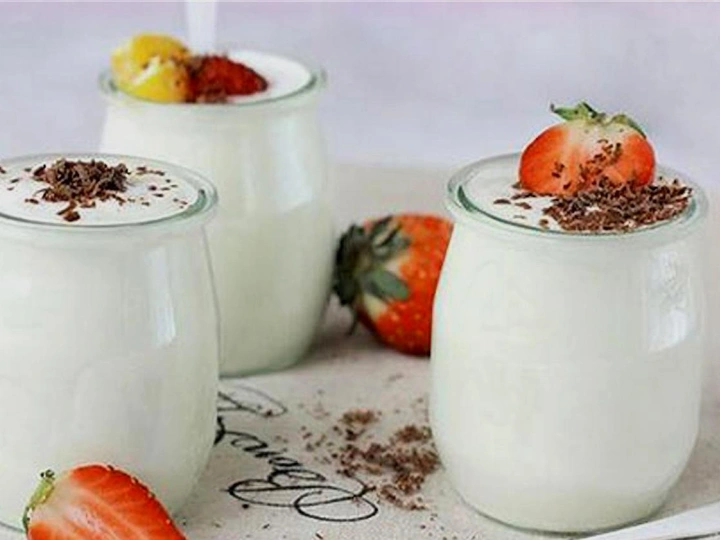
Yogurt Business Marketing Guide: Strategies to Grow Your Dairy Brand
Starting a yogurt production business is only half the battle. Successfully marketing your yogurt brand requires strategic planning, understanding consumer behavior, and building strong distribution channels. This comprehensive guide covers everything from brand positioning to digital marketing strategies for yogurt businesses, helping you turn your production capability into a profitable brand.
The global yogurt market is projected to reach $140 billion by 2028, driven by health consciousness and product innovation. Understanding market dynamics is essential for effective marketing:
Market Growth by Segment
Segment
Marktomvang (2024)
Groei Percentage
Belangrijke kansen
Regular Yogurt
$65 billion
4-5% annually
Mass market, value pricing
Grekki-jogurtti
$12 billion
8-10% annually
Premium positioning, fitness market
Drinkyoghurt
$8 billion
10-12% annually
Convenience, emerging markets
Plant-Based Yogurt
$3 billion
15-18% annually
Vegan, lactose-free consumers
Organic Yogurt
$5 billion
12-15% annually
Health-conscious, premium buyers
Consumer Behavior Insights
Consumer Segment
Prozentsatz
Key Purchase Drivers
Prissensitivitet
Health Conscious
35%
Protein content, low sugar, probiotics
Low
Taste Seekers
25%
Flavor variety, texture
Kati
Value Buyers
20%
Price, promotions, family packs
Hoog
Premium Buyers
15%
Brand, organic, artisanal
Low
Convenience Seekers
5%
Portability, single-serve
Kati
Brand Positioning Strategies
Your brand positioning determines how consumers perceive your yogurt products in a crowded market:
Positioning Framework
Positioning
Target Audience
Price Point
Key Message
Example
Health & Wellness
Fitness enthusiasts, health-conscious
Premium
High protein, low sugar, probiotics
Chobani, Oikos
Family Value
Families with children
Budget-Medium
Nutritious, affordable, kid-friendly
Dannon, Yoplait
Artisanal Premium
Food enthusiasts, premium buyers
Hoog
Handcrafted, local ingredients, unique flavors
Noosa, Siggi's
Traditional Authentic
Cultural consumers, traditionalists
Kati
Authentic recipes, heritage
Middle Eastern, Indian brands
Functional Benefits
Specific health needs
Premium
Digestive health, immunity, energy
Activia, Yakult
Brand Identity Elements
Element
Importance
Best Practices
Brand Name
Critical
Memorable, relevant, trademarkable
Logo Design
Hoog
Clean, modern, reflects brand values
Packaging Design
Critical
Eye-catching, informative, shelf appeal
Color Scheme
Hoog
Health (green/blue), Premium (gold/black)
Brand Story
Kati
Authentic, relatable, differentiating
Distribution Channel Strategy
Choosing the right distribution channels is crucial for reaching your target customers:
Channel Comparison
Channel
Margin
Volume
Setup Cost
Më të mirat për
Direct Sales
60-70%
Laag-middelgroot
Low
Startups, local market
Retail Stores
40-50%
Middel-hoog
Kati
Established brands
Supermarkets
35-45%
Hoog
Hoog
Velkoplošná výroba
Online/Delivery
50-60%
Kati
Kati
Urban areas, premium
Food Service
45-55%
Middel-hoog
Kati
Restaurants, cafes
Institutional
30-40%
Zeer hoog
Laag-middelgroot
Schools, hospitals
Channel Development Roadmap
Fase
Tijdlijn
Channels
Investering
Expected Revenue
Phase 1: Launch
Month 1-3
Direct sales, local stores
$2,000-5,000
$3,000-8,000/month
Phase 2: Growth
Month 4-9
Regional retailers, online
$5,000-15,000
$10,000-25,000/month
Phase 3: Expansion
Month 10-18
Supermarkets, food service
$15,000-40,000
$30,000-80,000/month
Phase 4: Scale
Month 19+
National distribution
$40,000-100,000
$100,000+/month
Pricing Strategy
Effective pricing balances profitability with market competitiveness:
Pricing Models
Modell
Beschreibung
Pros
Cons
Më të mirat për
Cost-Plus
Cost + markup (50-70%)
Simple, ensures profit
May not reflect market value
Startups
Value-Based
Price based on perceived value
Maximizes profit
Requires market research
Premium brands
Competitive
Match or beat competitors
Easy to position
Price wars risk
Mass market
Penetration
Low initial price to gain share
Fast market entry
Low initial margins
New entrants
Skimming
High initial price, reduce over time
Maximize early profit
Limited volume
Innovative products
Recommended Pricing by Product Type
Producttype
Cost per Unit
Recommended Price
Brutomarge
Plain Yogurt (200g)
$0.30-0.45
$0.80-1.20
55-65%
Flavored Yogurt (200g)
$0.35-0.55
$1.00-1.50
55-65%
Greek Yogurt (200g)
$0.50-0.75
$1.50-2.50
60-70%
Drinking Yogurt (250ml)
$0.25-0.40
$0.80-1.20
55-65%
Organic Yogurt (200g)
$0.55-0.80
$1.80-3.00
60-70%
Digital Marketing Strategies
Social Media Marketing
Platform
Content Type
Frekvens
Engagement Rate
Më të mirat për
Instagram
Product photos, recipes, behind-the-scenes
Daily
2-5%
Visual branding, younger audience
Facebook
Promotions, community building
3-5x/week
1-3%
Family audience, local marketing
TikTok
Short videos, challenges, recipes
3-5x/week
5-10%
Gen Z, viral potential
YouTube
Recipe tutorials, factory tours
Ugentligt
3-7%
Educational content, brand trust
LinkedIn
B2B content, industry insights
Ugentligt
1-2%
Food service, institutional sales
Content Marketing Strategy
Content Type
Syfte
Frekvens
Production Cost
Recipe Blog
Drive traffic, engagement
2-3x/week
$50-150/article
Health Articles
Build authority, SEO
Ugentligt
$100-300/article
Video Tutorials
Brand awareness, trust
Ugentligt
$200-500/video
Customer Stories
Social proof, trust
Månedligt
$100-300/story
Infographics
Shareable content, backlinks
Månedligt
$100-200/infographic
SEO Strategy for Yogurt Businesses
SEO Element
Acțiune
Expected Impact
Local SEO
Google My Business, local citations
30-50% more local traffic
Product Pages
Optimize for "yogurt near me"
20-40% more store visits
Recipe Content
Target recipe-related keywords
50-100% more organic traffic
Health Content
Target health-related keywords
30-60% more authority traffic
Backlink Building
Partner with food bloggers
20-40% domain authority increase
Promotional Tactics
In-Store Promotions
Tactic
Kosten
Expected Lift
Më të mirat për
Sampling
$200-500/event
20-40% sales increase
New product launches
End-Cap Displays
$100-300/week
15-30% sales increase
High-traffic stores
Coupon Promotions
10-20% discount
25-50% volume increase
Price-sensitive markets
Bundle Deals
10-15% discount
20-35% basket size increase
Family buyers
Loyalty Programs
5-10% margin cost
30-50% repeat purchase rate
Customer retention
Digital Promotions
Tactic
Kosten
Expected ROI
Më të mirat për
Social Media Ads
$500-2,000/month
3-5x ROI
Brand awareness
Google Ads
$1,000-5,000/month
2-4x ROI
Direct sales
Influencer Partnerships
$500-5,000/campaign
4-8x ROI
Niche audiences
Email Marketing
$100-500/month
5-10x ROI
Customer retention
Referral Programs
10-15% discount
3-6x ROI
Word-of-mouth growth
Building Customer Loyalty
Loyalty Program Types
Program Type
Structure
Kosten
Retention Impact
Points-Based
Earn points per purchase
3-5% of revenue
20-30% increase
Subscription
Monthly delivery, discount
10-15% discount
40-60% retention
VIP Tiers
Tiered benefits
5-10% of revenue
30-50% increase
Punch Cards
Buy X, get 1 free
10-15% margin cost
15-25% increase
Community
Exclusive content, events
$500-2,000/month
25-40% increase
Customer Retention Metrics
Metric
Industry Average
Target
Improvement Strategy
Repeat Purchase Rate
30-40%
50-60%
Loyalty programs, subscriptions
Customer Lifetime Value
$50-100
$100-200
Upselling, cross-selling
Churn Rate
20-30% monthly
10-15% monthly
Engagement, quality consistency
Net Promoter Score
30-50
60-80
Customer experience, quality
Marketing Budget Allocation
Recommended Budget by Business Stage
Trinn
Månedlig inntekt
Marketing Budget
Allocation
Startup
$5,000-15,000
15-20% ($750-3,000)
40% digital, 30% sampling, 20% PR, 10% other
Growth
$15,000-50,000
10-15% ($1,500-7,500)
35% digital, 25% trade, 20% sampling, 20% other
Established
$50,000-150,000
8-12% ($4,000-18,000)
30% digital, 30% trade, 20% brand, 20% other
Skala
$150,000+
5-10% ($7,500-15,000+)
25% digital, 35% trade, 25% brand, 15% other
Marketing ROI Benchmarks
Channel
Average ROI
Återbetalningstid
Best Use
Social Media
3-5x
1-3 months
Brand awareness
Google Ads
2-4x
1-2 months
Direct sales
Sampling
4-8x
1-4 weeks
Product trial
Email Marketing
5-10x
Imediat
Retention
Influencer
4-8x
1-2 months
Niche audiences
Trade Shows
2-5x
3-6 maanden
B2B sales
Hitimisho
Successful yogurt business marketing requires a multi-channel approach combining brand positioning, distribution strategy, digital marketing, and customer loyalty programs. Start with direct sales and local stores, then expand to regional retailers and online channels as your brand grows. Allocate 10-20% of revenue to marketing, focusing on channels with the highest ROI for your target audience.
Contact Shuliy Machinery for yogurt production equipment that supports your brand growth. Our complete production lines from 200L to 5000L capacity provide the foundation for building a successful yogurt brand.
How much should I spend on marketing my yogurt business?
Allocate 10-20% of revenue to marketing depending on your business stage. Startups should spend 15-20% ($750-3,000/month), growing businesses 10-15% ($1,500-7,500/month), and established brands 5-12% ($4,000-18,000/month).
What is the best marketing channel for yogurt businesses?
Product sampling offers the highest ROI (4-8x) for new yogurt brands, followed by email marketing (5-10x ROI) for retention. For brand awareness, social media ads (3-5x ROI) and influencer partnerships (4-8x ROI) are most effective.
How do I price my yogurt products?
Use cost-plus pricing with 55-70% gross margins. Plain yogurt (200g) should be priced at $0.80-1.20, flavored at $1.00-1.50, and Greek yogurt at $1.50-2.50. Adjust based on your target market and competitive positioning.
How can I build customer loyalty for my yogurt brand?
Implement a combination of loyalty programs (points-based or subscription), consistent product quality, engaging social media content, and excellent customer service. Target a 50-60% repeat purchase rate and 60+ Net Promoter Score.