Following pasteurization, homogenization is often applied to reduce fat globule size, preventing cream separation and creating a smoother texture in the final yogurt product.
सामान्य प्रश्न: HTST और UHT के बारे में अक्सर पूछे जाने वाले प्रश्न
क्या पाश्चराइजेशन सभी बैक्टीरिया को मार देता है?
पाश्चराइजेशन 99.9% रोगजनक बैक्टीरिया को समाप्त कर देता है, जिसे खाद्य वैज्ञानिक “5-लॉग कमी” कहते हैं। कुछ गर्मी-प्रतिरोधी बैक्टीरिया और बैक्टीरियल स्पोर्स जीवित रहते हैं, लेकिन ये आमतौर पर हानिकारक नहीं होते हैं और यहां तक कि योगर्ट संस्कृतियों में भी योगदान दे सकते हैं। शेष सूक्ष्मजीवों को रेफ्रिजरेशन और किण्वन के दौरान बनाये गए अम्लीय वातावरण के माध्यम से नियंत्रित किया जाता है।
योगर्ट उत्पादन के लिए कौन सा तरीका बेहतर है?
HTST pasteurization is superior for yogurt production. The moderate temperatures preserve whey protein functionality, which is essential for achieving proper yogurt texture and gel structure. UHT processing denatures proteins too extensively, resulting in poor fermentation characteristics and inferior texture. Most commercial yogurt producers use HTST or vat pasteurization as the foundation for quality yogurt.
UHT दूध का स्वाद अलग क्यों होता है?
UHT दूध में हल्का “पका हुआ” या “कारमेलाइज्ड” स्वाद विकसित होता है, जो माइलार्ड प्रतिक्रिया के कारण अमीनो एसिड और शर्करा के बीच होता है। इसके अतिरिक्त, लैक्टोज का ग्लूकोज और गैलेक्टोज में टूटना मिठास में योगदान देता है। कुछ उपभोक्ता इस स्वाद प्रोफ़ाइल को पसंद करते हैं, जबकि अन्य HTST-पाश्चराइज्ड दूध के ताजा स्वाद को प्राथमिकता देते हैं।
क्या मैं HTST उपकरण का उपयोग UHT गुणवत्ता वाले दूध के उत्पादन के लिए कर सकता हूँ?
नहीं, HTST और UHT मूलभूत रूप से अलग उपकरण की आवश्यकता होती है, जो उनके विशिष्ट तापमान-समय मानकों के लिए डिज़ाइन किए गए हैं। HTST प्रणालियाँ UHT तापमान प्राप्त नहीं कर सकतीं, और UHT प्रणालियाँ ऐसी दबाव और तापमान पर काम करती हैं जो दूध को HTST के लिए अधिभारित कर देंगी। अपने मुख्य उत्पाद और बाजार आवश्यकताओं के आधार पर अपने उपकरण का चयन करें।
ऑपरेटिंग लागत में क्या अंतर है?
HTST प्रणालियों में आमतौर पर कम ऊर्जा खपत होती है क्योंकि ये कम तापमान पर काम करती हैं, हालांकि इन्हें निरंतर रेफ्रिजरेशन की आवश्यकता होती है। UHT प्रणालियाँ भाप उत्पादन और एसैप्टिक पैकेजिंग के लिए अधिक ऊर्जा खपत करती हैं, लेकिन कोल्ड चेन लागत को समाप्त कर देती हैं। छोटे पैमाने पर संचालन के लिए, HTST आमतौर पर बेहतर आर्थिक विकल्प प्रदान करता है; बड़े पैमाने पर निर्यात-उन्मुख उत्पादन के लिए, UHT के वितरण लाभ उच्च प्रसंस्करण लागत से अधिक हो सकते हैं।
संबंधित उत्पाद
दूध पास्चुरीकरण मशीन
योगर्ट और डेयरी प्रसंस्करण के लिए HTST पाश्चराइजेशन उपकरण। 200L-5000L क्षमता के साथ सटीक तापमान नियंत्रण।
दही उत्पादन लाइन
कच्चे दूध से पैकेज्ड योगर्ट तक पूर्ण टर्नकी समाधान। 200L-5000L दैनिक क्षमता के साथ एकीकृत पाश्चराइजेशन।
योगर्ट किण्वन टैंक
तापमान नियंत्रित किण्वन टैंक जो स्थिर योगर्ट उत्पादन के लिए उपलब्ध है। एकल और डबल चैम्बर विन्यास में उपलब्ध।
- प्रोटीन संशोधन: नियंत्रित गर्मी व्हे प्रोटीन को खोलती है, जिससे वे किण्वन के दौरान एक मजबूत जेल नेटवर्क बनाते हैं
- ऑक्सीजन निष्कासन: गर्म करने के दौरान घुलनशील ऑक्सीजन बाहर निकल जाती है, जिससे अनएरोबिक परिस्थितियाँ बनती हैं जो योगर्ट बैक्टीरिया के अनुकूल होती हैं
- पोषक तत्व मुक्त करना: गर्मी विटामिन और खनिजों को अधिक जैवउपयोगी बनाती है, जिससे बैक्टीरियल वृद्धि को प्रोत्साहन मिलता है
- स्पोर का विनाश: बैक्टीरियल स्पोर्स को समाप्त करता है जो किण्वन या भंडारण के दौरान जर्मिनेट कर सकते हैं
Following pasteurization, homogenization is often applied to reduce fat globule size, preventing cream separation and creating a smoother texture in the final yogurt product.
सामान्य प्रश्न: HTST और UHT के बारे में अक्सर पूछे जाने वाले प्रश्न
क्या पाश्चराइजेशन सभी बैक्टीरिया को मार देता है?
पाश्चराइजेशन 99.9% रोगजनक बैक्टीरिया को समाप्त कर देता है, जिसे खाद्य वैज्ञानिक “5-लॉग कमी” कहते हैं। कुछ गर्मी-प्रतिरोधी बैक्टीरिया और बैक्टीरियल स्पोर्स जीवित रहते हैं, लेकिन ये आमतौर पर हानिकारक नहीं होते हैं और यहां तक कि योगर्ट संस्कृतियों में भी योगदान दे सकते हैं। शेष सूक्ष्मजीवों को रेफ्रिजरेशन और किण्वन के दौरान बनाये गए अम्लीय वातावरण के माध्यम से नियंत्रित किया जाता है।
योगर्ट उत्पादन के लिए कौन सा तरीका बेहतर है?
HTST pasteurization is superior for yogurt production. The moderate temperatures preserve whey protein functionality, which is essential for achieving proper yogurt texture and gel structure. UHT processing denatures proteins too extensively, resulting in poor fermentation characteristics and inferior texture. Most commercial yogurt producers use HTST or vat pasteurization as the foundation for quality yogurt.
UHT दूध का स्वाद अलग क्यों होता है?
UHT दूध में हल्का “पका हुआ” या “कारमेलाइज्ड” स्वाद विकसित होता है, जो माइलार्ड प्रतिक्रिया के कारण अमीनो एसिड और शर्करा के बीच होता है। इसके अतिरिक्त, लैक्टोज का ग्लूकोज और गैलेक्टोज में टूटना मिठास में योगदान देता है। कुछ उपभोक्ता इस स्वाद प्रोफ़ाइल को पसंद करते हैं, जबकि अन्य HTST-पाश्चराइज्ड दूध के ताजा स्वाद को प्राथमिकता देते हैं।
क्या मैं HTST उपकरण का उपयोग UHT गुणवत्ता वाले दूध के उत्पादन के लिए कर सकता हूँ?
नहीं, HTST और UHT मूलभूत रूप से अलग उपकरण की आवश्यकता होती है, जो उनके विशिष्ट तापमान-समय मानकों के लिए डिज़ाइन किए गए हैं। HTST प्रणालियाँ UHT तापमान प्राप्त नहीं कर सकतीं, और UHT प्रणालियाँ ऐसी दबाव और तापमान पर काम करती हैं जो दूध को HTST के लिए अधिभारित कर देंगी। अपने मुख्य उत्पाद और बाजार आवश्यकताओं के आधार पर अपने उपकरण का चयन करें।
ऑपरेटिंग लागत में क्या अंतर है?
HTST प्रणालियों में आमतौर पर कम ऊर्जा खपत होती है क्योंकि ये कम तापमान पर काम करती हैं, हालांकि इन्हें निरंतर रेफ्रिजरेशन की आवश्यकता होती है। UHT प्रणालियाँ भाप उत्पादन और एसैप्टिक पैकेजिंग के लिए अधिक ऊर्जा खपत करती हैं, लेकिन कोल्ड चेन लागत को समाप्त कर देती हैं। छोटे पैमाने पर संचालन के लिए, HTST आमतौर पर बेहतर आर्थिक विकल्प प्रदान करता है; बड़े पैमाने पर निर्यात-उन्मुख उत्पादन के लिए, UHT के वितरण लाभ उच्च प्रसंस्करण लागत से अधिक हो सकते हैं।
संबंधित उत्पाद
दूध पास्चुरीकरण मशीन
योगर्ट और डेयरी प्रसंस्करण के लिए HTST पाश्चराइजेशन उपकरण। 200L-5000L क्षमता के साथ सटीक तापमान नियंत्रण।
दही उत्पादन लाइन
कच्चे दूध से पैकेज्ड योगर्ट तक पूर्ण टर्नकी समाधान। 200L-5000L दैनिक क्षमता के साथ एकीकृत पाश्चराइजेशन।
योगर्ट किण्वन टैंक
तापमान नियंत्रित किण्वन टैंक जो स्थिर योगर्ट उत्पादन के लिए उपलब्ध है। एकल और डबल चैम्बर विन्यास में उपलब्ध।
योगर्ट उत्पादन के लिए: पाश्चराइजेशन का महत्वपूर्ण भूमिका
योगर्ट उत्पादन में, पाश्चराइजेशन कई महत्वपूर्ण कार्य करता है, इसके अलावा कि यह माइक्रोबियल सुरक्षा सुनिश्चित करता है:
- प्रोटीन संशोधन: नियंत्रित गर्मी व्हे प्रोटीन को खोलती है, जिससे वे किण्वन के दौरान एक मजबूत जेल नेटवर्क बनाते हैं
- ऑक्सीजन निष्कासन: गर्म करने के दौरान घुलनशील ऑक्सीजन बाहर निकल जाती है, जिससे अनएरोबिक परिस्थितियाँ बनती हैं जो योगर्ट बैक्टीरिया के अनुकूल होती हैं
- पोषक तत्व मुक्त करना: गर्मी विटामिन और खनिजों को अधिक जैवउपयोगी बनाती है, जिससे बैक्टीरियल वृद्धि को प्रोत्साहन मिलता है
- स्पोर का विनाश: बैक्टीरियल स्पोर्स को समाप्त करता है जो किण्वन या भंडारण के दौरान जर्मिनेट कर सकते हैं
Following pasteurization, homogenization is often applied to reduce fat globule size, preventing cream separation and creating a smoother texture in the final yogurt product.
सामान्य प्रश्न: HTST और UHT के बारे में अक्सर पूछे जाने वाले प्रश्न
क्या पाश्चराइजेशन सभी बैक्टीरिया को मार देता है?
पाश्चराइजेशन 99.9% रोगजनक बैक्टीरिया को समाप्त कर देता है, जिसे खाद्य वैज्ञानिक “5-लॉग कमी” कहते हैं। कुछ गर्मी-प्रतिरोधी बैक्टीरिया और बैक्टीरियल स्पोर्स जीवित रहते हैं, लेकिन ये आमतौर पर हानिकारक नहीं होते हैं और यहां तक कि योगर्ट संस्कृतियों में भी योगदान दे सकते हैं। शेष सूक्ष्मजीवों को रेफ्रिजरेशन और किण्वन के दौरान बनाये गए अम्लीय वातावरण के माध्यम से नियंत्रित किया जाता है।
योगर्ट उत्पादन के लिए कौन सा तरीका बेहतर है?
HTST pasteurization is superior for yogurt production. The moderate temperatures preserve whey protein functionality, which is essential for achieving proper yogurt texture and gel structure. UHT processing denatures proteins too extensively, resulting in poor fermentation characteristics and inferior texture. Most commercial yogurt producers use HTST or vat pasteurization as the foundation for quality yogurt.
UHT दूध का स्वाद अलग क्यों होता है?
UHT दूध में हल्का “पका हुआ” या “कारमेलाइज्ड” स्वाद विकसित होता है, जो माइलार्ड प्रतिक्रिया के कारण अमीनो एसिड और शर्करा के बीच होता है। इसके अतिरिक्त, लैक्टोज का ग्लूकोज और गैलेक्टोज में टूटना मिठास में योगदान देता है। कुछ उपभोक्ता इस स्वाद प्रोफ़ाइल को पसंद करते हैं, जबकि अन्य HTST-पाश्चराइज्ड दूध के ताजा स्वाद को प्राथमिकता देते हैं।
क्या मैं HTST उपकरण का उपयोग UHT गुणवत्ता वाले दूध के उत्पादन के लिए कर सकता हूँ?
नहीं, HTST और UHT मूलभूत रूप से अलग उपकरण की आवश्यकता होती है, जो उनके विशिष्ट तापमान-समय मानकों के लिए डिज़ाइन किए गए हैं। HTST प्रणालियाँ UHT तापमान प्राप्त नहीं कर सकतीं, और UHT प्रणालियाँ ऐसी दबाव और तापमान पर काम करती हैं जो दूध को HTST के लिए अधिभारित कर देंगी। अपने मुख्य उत्पाद और बाजार आवश्यकताओं के आधार पर अपने उपकरण का चयन करें।
ऑपरेटिंग लागत में क्या अंतर है?
HTST प्रणालियों में आमतौर पर कम ऊर्जा खपत होती है क्योंकि ये कम तापमान पर काम करती हैं, हालांकि इन्हें निरंतर रेफ्रिजरेशन की आवश्यकता होती है। UHT प्रणालियाँ भाप उत्पादन और एसैप्टिक पैकेजिंग के लिए अधिक ऊर्जा खपत करती हैं, लेकिन कोल्ड चेन लागत को समाप्त कर देती हैं। छोटे पैमाने पर संचालन के लिए, HTST आमतौर पर बेहतर आर्थिक विकल्प प्रदान करता है; बड़े पैमाने पर निर्यात-उन्मुख उत्पादन के लिए, UHT के वितरण लाभ उच्च प्रसंस्करण लागत से अधिक हो सकते हैं।
संबंधित उत्पाद
दूध पास्चुरीकरण मशीन
योगर्ट और डेयरी प्रसंस्करण के लिए HTST पाश्चराइजेशन उपकरण। 200L-5000L क्षमता के साथ सटीक तापमान नियंत्रण।
दही उत्पादन लाइन
कच्चे दूध से पैकेज्ड योगर्ट तक पूर्ण टर्नकी समाधान। 200L-5000L दैनिक क्षमता के साथ एकीकृत पाश्चराइजेशन।
योगर्ट किण्वन टैंक
तापमान नियंत्रित किण्वन टैंक जो स्थिर योगर्ट उत्पादन के लिए उपलब्ध है। एकल और डबल चैम्बर विन्यास में उपलब्ध।
- व्हे प्रोटीन डीनैचराइजेशन: 70°C से ऊपर तापमान पर, व्हे प्रोटीन (विशेष रूप से β-लैक्टोग्लोबुलिन) अनफोल्ड होने लगते हैं, जिससे योगर्ट की बनावट और चीज़ की उपज प्रभावित होती है
- लैक्टोज का अपघटन: UHT तापमान लैक्टोज को ग्लूकोज और गैलेक्टोज में तोड़ सकता है, जिससे स्वाद में हल्का मीठापन आ सकता है
- विटामिन हानि: विटामिन C और B-समूह विटामिन गर्मी-संवेदनशील हैं; UHT प्रसंस्करण में विटामिन की हानि अधिक होती है
- माइलार्ड प्रतिक्रिया: अत्यधिक गर्मी ब्राउनिंग प्रतिक्रियाओं को प्रोत्साहित करती है, जो UHT दूध के विशिष्ट रंग और स्वाद में योगदान देती है
योगर्ट उत्पादन के लिए: पाश्चराइजेशन का महत्वपूर्ण भूमिका
योगर्ट उत्पादन में, पाश्चराइजेशन कई महत्वपूर्ण कार्य करता है, इसके अलावा कि यह माइक्रोबियल सुरक्षा सुनिश्चित करता है:
- प्रोटीन संशोधन: नियंत्रित गर्मी व्हे प्रोटीन को खोलती है, जिससे वे किण्वन के दौरान एक मजबूत जेल नेटवर्क बनाते हैं
- ऑक्सीजन निष्कासन: गर्म करने के दौरान घुलनशील ऑक्सीजन बाहर निकल जाती है, जिससे अनएरोबिक परिस्थितियाँ बनती हैं जो योगर्ट बैक्टीरिया के अनुकूल होती हैं
- पोषक तत्व मुक्त करना: गर्मी विटामिन और खनिजों को अधिक जैवउपयोगी बनाती है, जिससे बैक्टीरियल वृद्धि को प्रोत्साहन मिलता है
- स्पोर का विनाश: बैक्टीरियल स्पोर्स को समाप्त करता है जो किण्वन या भंडारण के दौरान जर्मिनेट कर सकते हैं
Following pasteurization, homogenization is often applied to reduce fat globule size, preventing cream separation and creating a smoother texture in the final yogurt product.
सामान्य प्रश्न: HTST और UHT के बारे में अक्सर पूछे जाने वाले प्रश्न
क्या पाश्चराइजेशन सभी बैक्टीरिया को मार देता है?
पाश्चराइजेशन 99.9% रोगजनक बैक्टीरिया को समाप्त कर देता है, जिसे खाद्य वैज्ञानिक “5-लॉग कमी” कहते हैं। कुछ गर्मी-प्रतिरोधी बैक्टीरिया और बैक्टीरियल स्पोर्स जीवित रहते हैं, लेकिन ये आमतौर पर हानिकारक नहीं होते हैं और यहां तक कि योगर्ट संस्कृतियों में भी योगदान दे सकते हैं। शेष सूक्ष्मजीवों को रेफ्रिजरेशन और किण्वन के दौरान बनाये गए अम्लीय वातावरण के माध्यम से नियंत्रित किया जाता है।
योगर्ट उत्पादन के लिए कौन सा तरीका बेहतर है?
HTST pasteurization is superior for yogurt production. The moderate temperatures preserve whey protein functionality, which is essential for achieving proper yogurt texture and gel structure. UHT processing denatures proteins too extensively, resulting in poor fermentation characteristics and inferior texture. Most commercial yogurt producers use HTST or vat pasteurization as the foundation for quality yogurt.
UHT दूध का स्वाद अलग क्यों होता है?
UHT दूध में हल्का “पका हुआ” या “कारमेलाइज्ड” स्वाद विकसित होता है, जो माइलार्ड प्रतिक्रिया के कारण अमीनो एसिड और शर्करा के बीच होता है। इसके अतिरिक्त, लैक्टोज का ग्लूकोज और गैलेक्टोज में टूटना मिठास में योगदान देता है। कुछ उपभोक्ता इस स्वाद प्रोफ़ाइल को पसंद करते हैं, जबकि अन्य HTST-पाश्चराइज्ड दूध के ताजा स्वाद को प्राथमिकता देते हैं।
क्या मैं HTST उपकरण का उपयोग UHT गुणवत्ता वाले दूध के उत्पादन के लिए कर सकता हूँ?
नहीं, HTST और UHT मूलभूत रूप से अलग उपकरण की आवश्यकता होती है, जो उनके विशिष्ट तापमान-समय मानकों के लिए डिज़ाइन किए गए हैं। HTST प्रणालियाँ UHT तापमान प्राप्त नहीं कर सकतीं, और UHT प्रणालियाँ ऐसी दबाव और तापमान पर काम करती हैं जो दूध को HTST के लिए अधिभारित कर देंगी। अपने मुख्य उत्पाद और बाजार आवश्यकताओं के आधार पर अपने उपकरण का चयन करें।
ऑपरेटिंग लागत में क्या अंतर है?
HTST प्रणालियों में आमतौर पर कम ऊर्जा खपत होती है क्योंकि ये कम तापमान पर काम करती हैं, हालांकि इन्हें निरंतर रेफ्रिजरेशन की आवश्यकता होती है। UHT प्रणालियाँ भाप उत्पादन और एसैप्टिक पैकेजिंग के लिए अधिक ऊर्जा खपत करती हैं, लेकिन कोल्ड चेन लागत को समाप्त कर देती हैं। छोटे पैमाने पर संचालन के लिए, HTST आमतौर पर बेहतर आर्थिक विकल्प प्रदान करता है; बड़े पैमाने पर निर्यात-उन्मुख उत्पादन के लिए, UHT के वितरण लाभ उच्च प्रसंस्करण लागत से अधिक हो सकते हैं।
संबंधित उत्पाद
दूध पास्चुरीकरण मशीन
योगर्ट और डेयरी प्रसंस्करण के लिए HTST पाश्चराइजेशन उपकरण। 200L-5000L क्षमता के साथ सटीक तापमान नियंत्रण।
दही उत्पादन लाइन
कच्चे दूध से पैकेज्ड योगर्ट तक पूर्ण टर्नकी समाधान। 200L-5000L दैनिक क्षमता के साथ एकीकृत पाश्चराइजेशन।
योगर्ट किण्वन टैंक
तापमान नियंत्रित किण्वन टैंक जो स्थिर योगर्ट उत्पादन के लिए उपलब्ध है। एकल और डबल चैम्बर विन्यास में उपलब्ध।
- व्हे प्रोटीन डीनैचराइजेशन: 70°C से ऊपर तापमान पर, व्हे प्रोटीन (विशेष रूप से β-लैक्टोग्लोबुलिन) अनफोल्ड होने लगते हैं, जिससे योगर्ट की बनावट और चीज़ की उपज प्रभावित होती है
- लैक्टोज का अपघटन: UHT तापमान लैक्टोज को ग्लूकोज और गैलेक्टोज में तोड़ सकता है, जिससे स्वाद में हल्का मीठापन आ सकता है
- विटामिन हानि: विटामिन C और B-समूह विटामिन गर्मी-संवेदनशील हैं; UHT प्रसंस्करण में विटामिन की हानि अधिक होती है
- माइलार्ड प्रतिक्रिया: अत्यधिक गर्मी ब्राउनिंग प्रतिक्रियाओं को प्रोत्साहित करती है, जो UHT दूध के विशिष्ट रंग और स्वाद में योगदान देती है
योगर्ट उत्पादन के लिए: पाश्चराइजेशन का महत्वपूर्ण भूमिका
योगर्ट उत्पादन में, पाश्चराइजेशन कई महत्वपूर्ण कार्य करता है, इसके अलावा कि यह माइक्रोबियल सुरक्षा सुनिश्चित करता है:
- प्रोटीन संशोधन: नियंत्रित गर्मी व्हे प्रोटीन को खोलती है, जिससे वे किण्वन के दौरान एक मजबूत जेल नेटवर्क बनाते हैं
- ऑक्सीजन निष्कासन: गर्म करने के दौरान घुलनशील ऑक्सीजन बाहर निकल जाती है, जिससे अनएरोबिक परिस्थितियाँ बनती हैं जो योगर्ट बैक्टीरिया के अनुकूल होती हैं
- पोषक तत्व मुक्त करना: गर्मी विटामिन और खनिजों को अधिक जैवउपयोगी बनाती है, जिससे बैक्टीरियल वृद्धि को प्रोत्साहन मिलता है
- स्पोर का विनाश: बैक्टीरियल स्पोर्स को समाप्त करता है जो किण्वन या भंडारण के दौरान जर्मिनेट कर सकते हैं
Following pasteurization, homogenization is often applied to reduce fat globule size, preventing cream separation and creating a smoother texture in the final yogurt product.
सामान्य प्रश्न: HTST और UHT के बारे में अक्सर पूछे जाने वाले प्रश्न
क्या पाश्चराइजेशन सभी बैक्टीरिया को मार देता है?
पाश्चराइजेशन 99.9% रोगजनक बैक्टीरिया को समाप्त कर देता है, जिसे खाद्य वैज्ञानिक “5-लॉग कमी” कहते हैं। कुछ गर्मी-प्रतिरोधी बैक्टीरिया और बैक्टीरियल स्पोर्स जीवित रहते हैं, लेकिन ये आमतौर पर हानिकारक नहीं होते हैं और यहां तक कि योगर्ट संस्कृतियों में भी योगदान दे सकते हैं। शेष सूक्ष्मजीवों को रेफ्रिजरेशन और किण्वन के दौरान बनाये गए अम्लीय वातावरण के माध्यम से नियंत्रित किया जाता है।
योगर्ट उत्पादन के लिए कौन सा तरीका बेहतर है?
HTST pasteurization is superior for yogurt production. The moderate temperatures preserve whey protein functionality, which is essential for achieving proper yogurt texture and gel structure. UHT processing denatures proteins too extensively, resulting in poor fermentation characteristics and inferior texture. Most commercial yogurt producers use HTST or vat pasteurization as the foundation for quality yogurt.
UHT दूध का स्वाद अलग क्यों होता है?
UHT दूध में हल्का “पका हुआ” या “कारमेलाइज्ड” स्वाद विकसित होता है, जो माइलार्ड प्रतिक्रिया के कारण अमीनो एसिड और शर्करा के बीच होता है। इसके अतिरिक्त, लैक्टोज का ग्लूकोज और गैलेक्टोज में टूटना मिठास में योगदान देता है। कुछ उपभोक्ता इस स्वाद प्रोफ़ाइल को पसंद करते हैं, जबकि अन्य HTST-पाश्चराइज्ड दूध के ताजा स्वाद को प्राथमिकता देते हैं।
क्या मैं HTST उपकरण का उपयोग UHT गुणवत्ता वाले दूध के उत्पादन के लिए कर सकता हूँ?
नहीं, HTST और UHT मूलभूत रूप से अलग उपकरण की आवश्यकता होती है, जो उनके विशिष्ट तापमान-समय मानकों के लिए डिज़ाइन किए गए हैं। HTST प्रणालियाँ UHT तापमान प्राप्त नहीं कर सकतीं, और UHT प्रणालियाँ ऐसी दबाव और तापमान पर काम करती हैं जो दूध को HTST के लिए अधिभारित कर देंगी। अपने मुख्य उत्पाद और बाजार आवश्यकताओं के आधार पर अपने उपकरण का चयन करें।
ऑपरेटिंग लागत में क्या अंतर है?
HTST प्रणालियों में आमतौर पर कम ऊर्जा खपत होती है क्योंकि ये कम तापमान पर काम करती हैं, हालांकि इन्हें निरंतर रेफ्रिजरेशन की आवश्यकता होती है। UHT प्रणालियाँ भाप उत्पादन और एसैप्टिक पैकेजिंग के लिए अधिक ऊर्जा खपत करती हैं, लेकिन कोल्ड चेन लागत को समाप्त कर देती हैं। छोटे पैमाने पर संचालन के लिए, HTST आमतौर पर बेहतर आर्थिक विकल्प प्रदान करता है; बड़े पैमाने पर निर्यात-उन्मुख उत्पादन के लिए, UHT के वितरण लाभ उच्च प्रसंस्करण लागत से अधिक हो सकते हैं।
संबंधित उत्पाद
दूध पास्चुरीकरण मशीन
योगर्ट और डेयरी प्रसंस्करण के लिए HTST पाश्चराइजेशन उपकरण। 200L-5000L क्षमता के साथ सटीक तापमान नियंत्रण।
दही उत्पादन लाइन
कच्चे दूध से पैकेज्ड योगर्ट तक पूर्ण टर्नकी समाधान। 200L-5000L दैनिक क्षमता के साथ एकीकृत पाश्चराइजेशन।
योगर्ट किण्वन टैंक
तापमान नियंत्रित किण्वन टैंक जो स्थिर योगर्ट उत्पादन के लिए उपलब्ध है। एकल और डबल चैम्बर विन्यास में उपलब्ध।
- : दूरस्थ या उष्णकटिबंधीय बाजारों में वितरण: परिवेशीय भंडारण महंगे कोल्ड चेन आवश्यकताओं को समाप्त करता है
- अंतरराष्ट्रीय स्तर पर डेयरी उत्पादों का निर्यात: लंबी शेल्फ लाइफ शिपिंग और सीमा शुल्क देरी को समायोजित करती है
- : संस्थागत खरीदारों के लिए शेल्फ-स्थिर दूध का उत्पादन: स्कूल, अस्पताल, और सैन्य सुविधाओं को अक्सर UHT की आवश्यकता होती है
- ताजगी के बजाय उत्पादन मात्रा को प्राथमिकता देना: सतत प्रक्रिया उच्च थ्रूपुट सक्षम बनाती है
- : अस्थिर बिजली आपूर्ति वाले क्षेत्रों में संचालन: उत्पाद बिना निरंतर रेफ्रिजरेशन के सुरक्षित रहते हैं
For most small to medium yogurt production lines, HTST pasteurization is the logical choice. It provides the right balance of food safety, nutritional quality, and equipment affordability while setting the foundation for successful yogurt fermentation with your वाणिज्यिक दही मशीन.
तापमान और समय के पीछे विज्ञान
: तापमान और समय के बीच संबंध एक अच्छी तरह से स्थापित सिद्धांत का पालन करता है: उच्च तापमान कम समय में माइक्रोबियल विनाश प्राप्त करने के लिए आवश्यक है। इसी कारण HTST और UHT दोनों ही अलग-अलग मार्गों से समान सुरक्षा परिणाम प्राप्त कर सकते हैं।
थर्मल डेथ टाइम कर्व्स
Each microorganism has a characteristic thermal death time—the time required at a specific temperature to achieve a given reduction in population. The most heat-resistant pathogen of concern in milk is Coxiella burnetii, the causative agent of Q fever, which requires 60°C for 30 minutes for complete destruction. HTST and UHT protocols are designed to exceed this requirement by a comfortable safety margin.
गुणवत्ता प्रभाव: क्यों तापमान महत्वपूर्ण है
- व्हे प्रोटीन डीनैचराइजेशन: 70°C से ऊपर तापमान पर, व्हे प्रोटीन (विशेष रूप से β-लैक्टोग्लोबुलिन) अनफोल्ड होने लगते हैं, जिससे योगर्ट की बनावट और चीज़ की उपज प्रभावित होती है
- लैक्टोज का अपघटन: UHT तापमान लैक्टोज को ग्लूकोज और गैलेक्टोज में तोड़ सकता है, जिससे स्वाद में हल्का मीठापन आ सकता है
- विटामिन हानि: विटामिन C और B-समूह विटामिन गर्मी-संवेदनशील हैं; UHT प्रसंस्करण में विटामिन की हानि अधिक होती है
- माइलार्ड प्रतिक्रिया: अत्यधिक गर्मी ब्राउनिंग प्रतिक्रियाओं को प्रोत्साहित करती है, जो UHT दूध के विशिष्ट रंग और स्वाद में योगदान देती है
योगर्ट उत्पादन के लिए: पाश्चराइजेशन का महत्वपूर्ण भूमिका
योगर्ट उत्पादन में, पाश्चराइजेशन कई महत्वपूर्ण कार्य करता है, इसके अलावा कि यह माइक्रोबियल सुरक्षा सुनिश्चित करता है:
- प्रोटीन संशोधन: नियंत्रित गर्मी व्हे प्रोटीन को खोलती है, जिससे वे किण्वन के दौरान एक मजबूत जेल नेटवर्क बनाते हैं
- ऑक्सीजन निष्कासन: गर्म करने के दौरान घुलनशील ऑक्सीजन बाहर निकल जाती है, जिससे अनएरोबिक परिस्थितियाँ बनती हैं जो योगर्ट बैक्टीरिया के अनुकूल होती हैं
- पोषक तत्व मुक्त करना: गर्मी विटामिन और खनिजों को अधिक जैवउपयोगी बनाती है, जिससे बैक्टीरियल वृद्धि को प्रोत्साहन मिलता है
- स्पोर का विनाश: बैक्टीरियल स्पोर्स को समाप्त करता है जो किण्वन या भंडारण के दौरान जर्मिनेट कर सकते हैं
Following pasteurization, homogenization is often applied to reduce fat globule size, preventing cream separation and creating a smoother texture in the final yogurt product.
सामान्य प्रश्न: HTST और UHT के बारे में अक्सर पूछे जाने वाले प्रश्न
क्या पाश्चराइजेशन सभी बैक्टीरिया को मार देता है?
पाश्चराइजेशन 99.9% रोगजनक बैक्टीरिया को समाप्त कर देता है, जिसे खाद्य वैज्ञानिक “5-लॉग कमी” कहते हैं। कुछ गर्मी-प्रतिरोधी बैक्टीरिया और बैक्टीरियल स्पोर्स जीवित रहते हैं, लेकिन ये आमतौर पर हानिकारक नहीं होते हैं और यहां तक कि योगर्ट संस्कृतियों में भी योगदान दे सकते हैं। शेष सूक्ष्मजीवों को रेफ्रिजरेशन और किण्वन के दौरान बनाये गए अम्लीय वातावरण के माध्यम से नियंत्रित किया जाता है।
योगर्ट उत्पादन के लिए कौन सा तरीका बेहतर है?
HTST pasteurization is superior for yogurt production. The moderate temperatures preserve whey protein functionality, which is essential for achieving proper yogurt texture and gel structure. UHT processing denatures proteins too extensively, resulting in poor fermentation characteristics and inferior texture. Most commercial yogurt producers use HTST or vat pasteurization as the foundation for quality yogurt.
UHT दूध का स्वाद अलग क्यों होता है?
UHT दूध में हल्का “पका हुआ” या “कारमेलाइज्ड” स्वाद विकसित होता है, जो माइलार्ड प्रतिक्रिया के कारण अमीनो एसिड और शर्करा के बीच होता है। इसके अतिरिक्त, लैक्टोज का ग्लूकोज और गैलेक्टोज में टूटना मिठास में योगदान देता है। कुछ उपभोक्ता इस स्वाद प्रोफ़ाइल को पसंद करते हैं, जबकि अन्य HTST-पाश्चराइज्ड दूध के ताजा स्वाद को प्राथमिकता देते हैं।
क्या मैं HTST उपकरण का उपयोग UHT गुणवत्ता वाले दूध के उत्पादन के लिए कर सकता हूँ?
नहीं, HTST और UHT मूलभूत रूप से अलग उपकरण की आवश्यकता होती है, जो उनके विशिष्ट तापमान-समय मानकों के लिए डिज़ाइन किए गए हैं। HTST प्रणालियाँ UHT तापमान प्राप्त नहीं कर सकतीं, और UHT प्रणालियाँ ऐसी दबाव और तापमान पर काम करती हैं जो दूध को HTST के लिए अधिभारित कर देंगी। अपने मुख्य उत्पाद और बाजार आवश्यकताओं के आधार पर अपने उपकरण का चयन करें।
ऑपरेटिंग लागत में क्या अंतर है?
HTST प्रणालियों में आमतौर पर कम ऊर्जा खपत होती है क्योंकि ये कम तापमान पर काम करती हैं, हालांकि इन्हें निरंतर रेफ्रिजरेशन की आवश्यकता होती है। UHT प्रणालियाँ भाप उत्पादन और एसैप्टिक पैकेजिंग के लिए अधिक ऊर्जा खपत करती हैं, लेकिन कोल्ड चेन लागत को समाप्त कर देती हैं। छोटे पैमाने पर संचालन के लिए, HTST आमतौर पर बेहतर आर्थिक विकल्प प्रदान करता है; बड़े पैमाने पर निर्यात-उन्मुख उत्पादन के लिए, UHT के वितरण लाभ उच्च प्रसंस्करण लागत से अधिक हो सकते हैं।
संबंधित उत्पाद
दूध पास्चुरीकरण मशीन
योगर्ट और डेयरी प्रसंस्करण के लिए HTST पाश्चराइजेशन उपकरण। 200L-5000L क्षमता के साथ सटीक तापमान नियंत्रण।
दही उत्पादन लाइन
कच्चे दूध से पैकेज्ड योगर्ट तक पूर्ण टर्नकी समाधान। 200L-5000L दैनिक क्षमता के साथ एकीकृत पाश्चराइजेशन।
योगर्ट किण्वन टैंक
तापमान नियंत्रित किण्वन टैंक जो स्थिर योगर्ट उत्पादन के लिए उपलब्ध है। एकल और डबल चैम्बर विन्यास में उपलब्ध।
- : दूरस्थ या उष्णकटिबंधीय बाजारों में वितरण: परिवेशीय भंडारण महंगे कोल्ड चेन आवश्यकताओं को समाप्त करता है
- अंतरराष्ट्रीय स्तर पर डेयरी उत्पादों का निर्यात: लंबी शेल्फ लाइफ शिपिंग और सीमा शुल्क देरी को समायोजित करती है
- : संस्थागत खरीदारों के लिए शेल्फ-स्थिर दूध का उत्पादन: स्कूल, अस्पताल, और सैन्य सुविधाओं को अक्सर UHT की आवश्यकता होती है
- ताजगी के बजाय उत्पादन मात्रा को प्राथमिकता देना: सतत प्रक्रिया उच्च थ्रूपुट सक्षम बनाती है
- : अस्थिर बिजली आपूर्ति वाले क्षेत्रों में संचालन: उत्पाद बिना निरंतर रेफ्रिजरेशन के सुरक्षित रहते हैं
For most small to medium yogurt production lines, HTST pasteurization is the logical choice. It provides the right balance of food safety, nutritional quality, and equipment affordability while setting the foundation for successful yogurt fermentation with your वाणिज्यिक दही मशीन.
तापमान और समय के पीछे विज्ञान
: तापमान और समय के बीच संबंध एक अच्छी तरह से स्थापित सिद्धांत का पालन करता है: उच्च तापमान कम समय में माइक्रोबियल विनाश प्राप्त करने के लिए आवश्यक है। इसी कारण HTST और UHT दोनों ही अलग-अलग मार्गों से समान सुरक्षा परिणाम प्राप्त कर सकते हैं।
थर्मल डेथ टाइम कर्व्स
Each microorganism has a characteristic thermal death time—the time required at a specific temperature to achieve a given reduction in population. The most heat-resistant pathogen of concern in milk is Coxiella burnetii, the causative agent of Q fever, which requires 60°C for 30 minutes for complete destruction. HTST and UHT protocols are designed to exceed this requirement by a comfortable safety margin.
गुणवत्ता प्रभाव: क्यों तापमान महत्वपूर्ण है
- व्हे प्रोटीन डीनैचराइजेशन: 70°C से ऊपर तापमान पर, व्हे प्रोटीन (विशेष रूप से β-लैक्टोग्लोबुलिन) अनफोल्ड होने लगते हैं, जिससे योगर्ट की बनावट और चीज़ की उपज प्रभावित होती है
- लैक्टोज का अपघटन: UHT तापमान लैक्टोज को ग्लूकोज और गैलेक्टोज में तोड़ सकता है, जिससे स्वाद में हल्का मीठापन आ सकता है
- विटामिन हानि: विटामिन C और B-समूह विटामिन गर्मी-संवेदनशील हैं; UHT प्रसंस्करण में विटामिन की हानि अधिक होती है
- माइलार्ड प्रतिक्रिया: अत्यधिक गर्मी ब्राउनिंग प्रतिक्रियाओं को प्रोत्साहित करती है, जो UHT दूध के विशिष्ट रंग और स्वाद में योगदान देती है
योगर्ट उत्पादन के लिए: पाश्चराइजेशन का महत्वपूर्ण भूमिका
योगर्ट उत्पादन में, पाश्चराइजेशन कई महत्वपूर्ण कार्य करता है, इसके अलावा कि यह माइक्रोबियल सुरक्षा सुनिश्चित करता है:
- प्रोटीन संशोधन: नियंत्रित गर्मी व्हे प्रोटीन को खोलती है, जिससे वे किण्वन के दौरान एक मजबूत जेल नेटवर्क बनाते हैं
- ऑक्सीजन निष्कासन: गर्म करने के दौरान घुलनशील ऑक्सीजन बाहर निकल जाती है, जिससे अनएरोबिक परिस्थितियाँ बनती हैं जो योगर्ट बैक्टीरिया के अनुकूल होती हैं
- पोषक तत्व मुक्त करना: गर्मी विटामिन और खनिजों को अधिक जैवउपयोगी बनाती है, जिससे बैक्टीरियल वृद्धि को प्रोत्साहन मिलता है
- स्पोर का विनाश: बैक्टीरियल स्पोर्स को समाप्त करता है जो किण्वन या भंडारण के दौरान जर्मिनेट कर सकते हैं
Following pasteurization, homogenization is often applied to reduce fat globule size, preventing cream separation and creating a smoother texture in the final yogurt product.
सामान्य प्रश्न: HTST और UHT के बारे में अक्सर पूछे जाने वाले प्रश्न
क्या पाश्चराइजेशन सभी बैक्टीरिया को मार देता है?
पाश्चराइजेशन 99.9% रोगजनक बैक्टीरिया को समाप्त कर देता है, जिसे खाद्य वैज्ञानिक “5-लॉग कमी” कहते हैं। कुछ गर्मी-प्रतिरोधी बैक्टीरिया और बैक्टीरियल स्पोर्स जीवित रहते हैं, लेकिन ये आमतौर पर हानिकारक नहीं होते हैं और यहां तक कि योगर्ट संस्कृतियों में भी योगदान दे सकते हैं। शेष सूक्ष्मजीवों को रेफ्रिजरेशन और किण्वन के दौरान बनाये गए अम्लीय वातावरण के माध्यम से नियंत्रित किया जाता है।
योगर्ट उत्पादन के लिए कौन सा तरीका बेहतर है?
HTST pasteurization is superior for yogurt production. The moderate temperatures preserve whey protein functionality, which is essential for achieving proper yogurt texture and gel structure. UHT processing denatures proteins too extensively, resulting in poor fermentation characteristics and inferior texture. Most commercial yogurt producers use HTST or vat pasteurization as the foundation for quality yogurt.
UHT दूध का स्वाद अलग क्यों होता है?
UHT दूध में हल्का “पका हुआ” या “कारमेलाइज्ड” स्वाद विकसित होता है, जो माइलार्ड प्रतिक्रिया के कारण अमीनो एसिड और शर्करा के बीच होता है। इसके अतिरिक्त, लैक्टोज का ग्लूकोज और गैलेक्टोज में टूटना मिठास में योगदान देता है। कुछ उपभोक्ता इस स्वाद प्रोफ़ाइल को पसंद करते हैं, जबकि अन्य HTST-पाश्चराइज्ड दूध के ताजा स्वाद को प्राथमिकता देते हैं।
क्या मैं HTST उपकरण का उपयोग UHT गुणवत्ता वाले दूध के उत्पादन के लिए कर सकता हूँ?
नहीं, HTST और UHT मूलभूत रूप से अलग उपकरण की आवश्यकता होती है, जो उनके विशिष्ट तापमान-समय मानकों के लिए डिज़ाइन किए गए हैं। HTST प्रणालियाँ UHT तापमान प्राप्त नहीं कर सकतीं, और UHT प्रणालियाँ ऐसी दबाव और तापमान पर काम करती हैं जो दूध को HTST के लिए अधिभारित कर देंगी। अपने मुख्य उत्पाद और बाजार आवश्यकताओं के आधार पर अपने उपकरण का चयन करें।
ऑपरेटिंग लागत में क्या अंतर है?
HTST प्रणालियों में आमतौर पर कम ऊर्जा खपत होती है क्योंकि ये कम तापमान पर काम करती हैं, हालांकि इन्हें निरंतर रेफ्रिजरेशन की आवश्यकता होती है। UHT प्रणालियाँ भाप उत्पादन और एसैप्टिक पैकेजिंग के लिए अधिक ऊर्जा खपत करती हैं, लेकिन कोल्ड चेन लागत को समाप्त कर देती हैं। छोटे पैमाने पर संचालन के लिए, HTST आमतौर पर बेहतर आर्थिक विकल्प प्रदान करता है; बड़े पैमाने पर निर्यात-उन्मुख उत्पादन के लिए, UHT के वितरण लाभ उच्च प्रसंस्करण लागत से अधिक हो सकते हैं।
संबंधित उत्पाद
दूध पास्चुरीकरण मशीन
योगर्ट और डेयरी प्रसंस्करण के लिए HTST पाश्चराइजेशन उपकरण। 200L-5000L क्षमता के साथ सटीक तापमान नियंत्रण।
दही उत्पादन लाइन
कच्चे दूध से पैकेज्ड योगर्ट तक पूर्ण टर्नकी समाधान। 200L-5000L दैनिक क्षमता के साथ एकीकृत पाश्चराइजेशन।
योगर्ट किण्वन टैंक
तापमान नियंत्रित किण्वन टैंक जो स्थिर योगर्ट उत्पादन के लिए उपलब्ध है। एकल और डबल चैम्बर विन्यास में उपलब्ध।
UHT चुनें जब:
- : दूरस्थ या उष्णकटिबंधीय बाजारों में वितरण: परिवेशीय भंडारण महंगे कोल्ड चेन आवश्यकताओं को समाप्त करता है
- अंतरराष्ट्रीय स्तर पर डेयरी उत्पादों का निर्यात: लंबी शेल्फ लाइफ शिपिंग और सीमा शुल्क देरी को समायोजित करती है
- : संस्थागत खरीदारों के लिए शेल्फ-स्थिर दूध का उत्पादन: स्कूल, अस्पताल, और सैन्य सुविधाओं को अक्सर UHT की आवश्यकता होती है
- ताजगी के बजाय उत्पादन मात्रा को प्राथमिकता देना: सतत प्रक्रिया उच्च थ्रूपुट सक्षम बनाती है
- : अस्थिर बिजली आपूर्ति वाले क्षेत्रों में संचालन: उत्पाद बिना निरंतर रेफ्रिजरेशन के सुरक्षित रहते हैं
For most small to medium yogurt production lines, HTST pasteurization is the logical choice. It provides the right balance of food safety, nutritional quality, and equipment affordability while setting the foundation for successful yogurt fermentation with your वाणिज्यिक दही मशीन.
तापमान और समय के पीछे विज्ञान
: तापमान और समय के बीच संबंध एक अच्छी तरह से स्थापित सिद्धांत का पालन करता है: उच्च तापमान कम समय में माइक्रोबियल विनाश प्राप्त करने के लिए आवश्यक है। इसी कारण HTST और UHT दोनों ही अलग-अलग मार्गों से समान सुरक्षा परिणाम प्राप्त कर सकते हैं।
थर्मल डेथ टाइम कर्व्स
Each microorganism has a characteristic thermal death time—the time required at a specific temperature to achieve a given reduction in population. The most heat-resistant pathogen of concern in milk is Coxiella burnetii, the causative agent of Q fever, which requires 60°C for 30 minutes for complete destruction. HTST and UHT protocols are designed to exceed this requirement by a comfortable safety margin.
गुणवत्ता प्रभाव: क्यों तापमान महत्वपूर्ण है
- व्हे प्रोटीन डीनैचराइजेशन: 70°C से ऊपर तापमान पर, व्हे प्रोटीन (विशेष रूप से β-लैक्टोग्लोबुलिन) अनफोल्ड होने लगते हैं, जिससे योगर्ट की बनावट और चीज़ की उपज प्रभावित होती है
- लैक्टोज का अपघटन: UHT तापमान लैक्टोज को ग्लूकोज और गैलेक्टोज में तोड़ सकता है, जिससे स्वाद में हल्का मीठापन आ सकता है
- विटामिन हानि: विटामिन C और B-समूह विटामिन गर्मी-संवेदनशील हैं; UHT प्रसंस्करण में विटामिन की हानि अधिक होती है
- माइलार्ड प्रतिक्रिया: अत्यधिक गर्मी ब्राउनिंग प्रतिक्रियाओं को प्रोत्साहित करती है, जो UHT दूध के विशिष्ट रंग और स्वाद में योगदान देती है
योगर्ट उत्पादन के लिए: पाश्चराइजेशन का महत्वपूर्ण भूमिका
योगर्ट उत्पादन में, पाश्चराइजेशन कई महत्वपूर्ण कार्य करता है, इसके अलावा कि यह माइक्रोबियल सुरक्षा सुनिश्चित करता है:
- प्रोटीन संशोधन: नियंत्रित गर्मी व्हे प्रोटीन को खोलती है, जिससे वे किण्वन के दौरान एक मजबूत जेल नेटवर्क बनाते हैं
- ऑक्सीजन निष्कासन: गर्म करने के दौरान घुलनशील ऑक्सीजन बाहर निकल जाती है, जिससे अनएरोबिक परिस्थितियाँ बनती हैं जो योगर्ट बैक्टीरिया के अनुकूल होती हैं
- पोषक तत्व मुक्त करना: गर्मी विटामिन और खनिजों को अधिक जैवउपयोगी बनाती है, जिससे बैक्टीरियल वृद्धि को प्रोत्साहन मिलता है
- स्पोर का विनाश: बैक्टीरियल स्पोर्स को समाप्त करता है जो किण्वन या भंडारण के दौरान जर्मिनेट कर सकते हैं
Following pasteurization, homogenization is often applied to reduce fat globule size, preventing cream separation and creating a smoother texture in the final yogurt product.
सामान्य प्रश्न: HTST और UHT के बारे में अक्सर पूछे जाने वाले प्रश्न
क्या पाश्चराइजेशन सभी बैक्टीरिया को मार देता है?
पाश्चराइजेशन 99.9% रोगजनक बैक्टीरिया को समाप्त कर देता है, जिसे खाद्य वैज्ञानिक “5-लॉग कमी” कहते हैं। कुछ गर्मी-प्रतिरोधी बैक्टीरिया और बैक्टीरियल स्पोर्स जीवित रहते हैं, लेकिन ये आमतौर पर हानिकारक नहीं होते हैं और यहां तक कि योगर्ट संस्कृतियों में भी योगदान दे सकते हैं। शेष सूक्ष्मजीवों को रेफ्रिजरेशन और किण्वन के दौरान बनाये गए अम्लीय वातावरण के माध्यम से नियंत्रित किया जाता है।
योगर्ट उत्पादन के लिए कौन सा तरीका बेहतर है?
HTST pasteurization is superior for yogurt production. The moderate temperatures preserve whey protein functionality, which is essential for achieving proper yogurt texture and gel structure. UHT processing denatures proteins too extensively, resulting in poor fermentation characteristics and inferior texture. Most commercial yogurt producers use HTST or vat pasteurization as the foundation for quality yogurt.
UHT दूध का स्वाद अलग क्यों होता है?
UHT दूध में हल्का “पका हुआ” या “कारमेलाइज्ड” स्वाद विकसित होता है, जो माइलार्ड प्रतिक्रिया के कारण अमीनो एसिड और शर्करा के बीच होता है। इसके अतिरिक्त, लैक्टोज का ग्लूकोज और गैलेक्टोज में टूटना मिठास में योगदान देता है। कुछ उपभोक्ता इस स्वाद प्रोफ़ाइल को पसंद करते हैं, जबकि अन्य HTST-पाश्चराइज्ड दूध के ताजा स्वाद को प्राथमिकता देते हैं।
क्या मैं HTST उपकरण का उपयोग UHT गुणवत्ता वाले दूध के उत्पादन के लिए कर सकता हूँ?
नहीं, HTST और UHT मूलभूत रूप से अलग उपकरण की आवश्यकता होती है, जो उनके विशिष्ट तापमान-समय मानकों के लिए डिज़ाइन किए गए हैं। HTST प्रणालियाँ UHT तापमान प्राप्त नहीं कर सकतीं, और UHT प्रणालियाँ ऐसी दबाव और तापमान पर काम करती हैं जो दूध को HTST के लिए अधिभारित कर देंगी। अपने मुख्य उत्पाद और बाजार आवश्यकताओं के आधार पर अपने उपकरण का चयन करें।
ऑपरेटिंग लागत में क्या अंतर है?
HTST प्रणालियों में आमतौर पर कम ऊर्जा खपत होती है क्योंकि ये कम तापमान पर काम करती हैं, हालांकि इन्हें निरंतर रेफ्रिजरेशन की आवश्यकता होती है। UHT प्रणालियाँ भाप उत्पादन और एसैप्टिक पैकेजिंग के लिए अधिक ऊर्जा खपत करती हैं, लेकिन कोल्ड चेन लागत को समाप्त कर देती हैं। छोटे पैमाने पर संचालन के लिए, HTST आमतौर पर बेहतर आर्थिक विकल्प प्रदान करता है; बड़े पैमाने पर निर्यात-उन्मुख उत्पादन के लिए, UHT के वितरण लाभ उच्च प्रसंस्करण लागत से अधिक हो सकते हैं।
संबंधित उत्पाद
दूध पास्चुरीकरण मशीन
योगर्ट और डेयरी प्रसंस्करण के लिए HTST पाश्चराइजेशन उपकरण। 200L-5000L क्षमता के साथ सटीक तापमान नियंत्रण।
दही उत्पादन लाइन
कच्चे दूध से पैकेज्ड योगर्ट तक पूर्ण टर्नकी समाधान। 200L-5000L दैनिक क्षमता के साथ एकीकृत पाश्चराइजेशन।
योगर्ट किण्वन टैंक
तापमान नियंत्रित किण्वन टैंक जो स्थिर योगर्ट उत्पादन के लिए उपलब्ध है। एकल और डबल चैम्बर विन्यास में उपलब्ध।
UHT चुनें जब:
- : दूरस्थ या उष्णकटिबंधीय बाजारों में वितरण: परिवेशीय भंडारण महंगे कोल्ड चेन आवश्यकताओं को समाप्त करता है
- अंतरराष्ट्रीय स्तर पर डेयरी उत्पादों का निर्यात: लंबी शेल्फ लाइफ शिपिंग और सीमा शुल्क देरी को समायोजित करती है
- : संस्थागत खरीदारों के लिए शेल्फ-स्थिर दूध का उत्पादन: स्कूल, अस्पताल, और सैन्य सुविधाओं को अक्सर UHT की आवश्यकता होती है
- ताजगी के बजाय उत्पादन मात्रा को प्राथमिकता देना: सतत प्रक्रिया उच्च थ्रूपुट सक्षम बनाती है
- : अस्थिर बिजली आपूर्ति वाले क्षेत्रों में संचालन: उत्पाद बिना निरंतर रेफ्रिजरेशन के सुरक्षित रहते हैं
For most small to medium yogurt production lines, HTST pasteurization is the logical choice. It provides the right balance of food safety, nutritional quality, and equipment affordability while setting the foundation for successful yogurt fermentation with your वाणिज्यिक दही मशीन.
तापमान और समय के पीछे विज्ञान
: तापमान और समय के बीच संबंध एक अच्छी तरह से स्थापित सिद्धांत का पालन करता है: उच्च तापमान कम समय में माइक्रोबियल विनाश प्राप्त करने के लिए आवश्यक है। इसी कारण HTST और UHT दोनों ही अलग-अलग मार्गों से समान सुरक्षा परिणाम प्राप्त कर सकते हैं।
थर्मल डेथ टाइम कर्व्स
Each microorganism has a characteristic thermal death time—the time required at a specific temperature to achieve a given reduction in population. The most heat-resistant pathogen of concern in milk is Coxiella burnetii, the causative agent of Q fever, which requires 60°C for 30 minutes for complete destruction. HTST and UHT protocols are designed to exceed this requirement by a comfortable safety margin.
गुणवत्ता प्रभाव: क्यों तापमान महत्वपूर्ण है
- व्हे प्रोटीन डीनैचराइजेशन: 70°C से ऊपर तापमान पर, व्हे प्रोटीन (विशेष रूप से β-लैक्टोग्लोबुलिन) अनफोल्ड होने लगते हैं, जिससे योगर्ट की बनावट और चीज़ की उपज प्रभावित होती है
- लैक्टोज का अपघटन: UHT तापमान लैक्टोज को ग्लूकोज और गैलेक्टोज में तोड़ सकता है, जिससे स्वाद में हल्का मीठापन आ सकता है
- विटामिन हानि: विटामिन C और B-समूह विटामिन गर्मी-संवेदनशील हैं; UHT प्रसंस्करण में विटामिन की हानि अधिक होती है
- माइलार्ड प्रतिक्रिया: अत्यधिक गर्मी ब्राउनिंग प्रतिक्रियाओं को प्रोत्साहित करती है, जो UHT दूध के विशिष्ट रंग और स्वाद में योगदान देती है
योगर्ट उत्पादन के लिए: पाश्चराइजेशन का महत्वपूर्ण भूमिका
योगर्ट उत्पादन में, पाश्चराइजेशन कई महत्वपूर्ण कार्य करता है, इसके अलावा कि यह माइक्रोबियल सुरक्षा सुनिश्चित करता है:
- प्रोटीन संशोधन: नियंत्रित गर्मी व्हे प्रोटीन को खोलती है, जिससे वे किण्वन के दौरान एक मजबूत जेल नेटवर्क बनाते हैं
- ऑक्सीजन निष्कासन: गर्म करने के दौरान घुलनशील ऑक्सीजन बाहर निकल जाती है, जिससे अनएरोबिक परिस्थितियाँ बनती हैं जो योगर्ट बैक्टीरिया के अनुकूल होती हैं
- पोषक तत्व मुक्त करना: गर्मी विटामिन और खनिजों को अधिक जैवउपयोगी बनाती है, जिससे बैक्टीरियल वृद्धि को प्रोत्साहन मिलता है
- स्पोर का विनाश: बैक्टीरियल स्पोर्स को समाप्त करता है जो किण्वन या भंडारण के दौरान जर्मिनेट कर सकते हैं
Following pasteurization, homogenization is often applied to reduce fat globule size, preventing cream separation and creating a smoother texture in the final yogurt product.
सामान्य प्रश्न: HTST और UHT के बारे में अक्सर पूछे जाने वाले प्रश्न
क्या पाश्चराइजेशन सभी बैक्टीरिया को मार देता है?
पाश्चराइजेशन 99.9% रोगजनक बैक्टीरिया को समाप्त कर देता है, जिसे खाद्य वैज्ञानिक “5-लॉग कमी” कहते हैं। कुछ गर्मी-प्रतिरोधी बैक्टीरिया और बैक्टीरियल स्पोर्स जीवित रहते हैं, लेकिन ये आमतौर पर हानिकारक नहीं होते हैं और यहां तक कि योगर्ट संस्कृतियों में भी योगदान दे सकते हैं। शेष सूक्ष्मजीवों को रेफ्रिजरेशन और किण्वन के दौरान बनाये गए अम्लीय वातावरण के माध्यम से नियंत्रित किया जाता है।
योगर्ट उत्पादन के लिए कौन सा तरीका बेहतर है?
HTST pasteurization is superior for yogurt production. The moderate temperatures preserve whey protein functionality, which is essential for achieving proper yogurt texture and gel structure. UHT processing denatures proteins too extensively, resulting in poor fermentation characteristics and inferior texture. Most commercial yogurt producers use HTST or vat pasteurization as the foundation for quality yogurt.
UHT दूध का स्वाद अलग क्यों होता है?
UHT दूध में हल्का “पका हुआ” या “कारमेलाइज्ड” स्वाद विकसित होता है, जो माइलार्ड प्रतिक्रिया के कारण अमीनो एसिड और शर्करा के बीच होता है। इसके अतिरिक्त, लैक्टोज का ग्लूकोज और गैलेक्टोज में टूटना मिठास में योगदान देता है। कुछ उपभोक्ता इस स्वाद प्रोफ़ाइल को पसंद करते हैं, जबकि अन्य HTST-पाश्चराइज्ड दूध के ताजा स्वाद को प्राथमिकता देते हैं।
क्या मैं HTST उपकरण का उपयोग UHT गुणवत्ता वाले दूध के उत्पादन के लिए कर सकता हूँ?
नहीं, HTST और UHT मूलभूत रूप से अलग उपकरण की आवश्यकता होती है, जो उनके विशिष्ट तापमान-समय मानकों के लिए डिज़ाइन किए गए हैं। HTST प्रणालियाँ UHT तापमान प्राप्त नहीं कर सकतीं, और UHT प्रणालियाँ ऐसी दबाव और तापमान पर काम करती हैं जो दूध को HTST के लिए अधिभारित कर देंगी। अपने मुख्य उत्पाद और बाजार आवश्यकताओं के आधार पर अपने उपकरण का चयन करें।
ऑपरेटिंग लागत में क्या अंतर है?
HTST प्रणालियों में आमतौर पर कम ऊर्जा खपत होती है क्योंकि ये कम तापमान पर काम करती हैं, हालांकि इन्हें निरंतर रेफ्रिजरेशन की आवश्यकता होती है। UHT प्रणालियाँ भाप उत्पादन और एसैप्टिक पैकेजिंग के लिए अधिक ऊर्जा खपत करती हैं, लेकिन कोल्ड चेन लागत को समाप्त कर देती हैं। छोटे पैमाने पर संचालन के लिए, HTST आमतौर पर बेहतर आर्थिक विकल्प प्रदान करता है; बड़े पैमाने पर निर्यात-उन्मुख उत्पादन के लिए, UHT के वितरण लाभ उच्च प्रसंस्करण लागत से अधिक हो सकते हैं।
संबंधित उत्पाद
दूध पास्चुरीकरण मशीन
योगर्ट और डेयरी प्रसंस्करण के लिए HTST पाश्चराइजेशन उपकरण। 200L-5000L क्षमता के साथ सटीक तापमान नियंत्रण।
दही उत्पादन लाइन
कच्चे दूध से पैकेज्ड योगर्ट तक पूर्ण टर्नकी समाधान। 200L-5000L दैनिक क्षमता के साथ एकीकृत पाश्चराइजेशन।
योगर्ट किण्वन टैंक
तापमान नियंत्रित किण्वन टैंक जो स्थिर योगर्ट उत्पादन के लिए उपलब्ध है। एकल और डबल चैम्बर विन्यास में उपलब्ध।
- योगर्ट या किण्वित डेयरी उत्पाद बनाना: मध्यम गर्मी प्रोटीन कार्यक्षमता को संरक्षित करती है, जो बैक्टीरियल संस्कृतियों के लिए आवश्यक है
- : स्थानीय या क्षेत्रीय रूप से बेचने: छोटी शेल्फ लाइफ स्वीकार्य है जब वितरण चैनल तेज़ हैं
- पोषण गुणवत्ता को प्राथमिकता देना: उच्च विटामिन संरक्षण और ताजा स्वाद स्वास्थ्य जागरूक उपभोक्ताओं को आकर्षित करता है
- सीमित पूंजी के साथ संचालन: कम उपकरण निवेश और सरल प्रसंस्करण आवश्यकताएँ
- उच्च या शिल्प बाजारों में परोसना: उपभोक्ता “ताजा” लेबल वाले डेयरी उत्पादों को अधिक पसंद करने लगे हैं
UHT चुनें जब:
- : दूरस्थ या उष्णकटिबंधीय बाजारों में वितरण: परिवेशीय भंडारण महंगे कोल्ड चेन आवश्यकताओं को समाप्त करता है
- अंतरराष्ट्रीय स्तर पर डेयरी उत्पादों का निर्यात: लंबी शेल्फ लाइफ शिपिंग और सीमा शुल्क देरी को समायोजित करती है
- : संस्थागत खरीदारों के लिए शेल्फ-स्थिर दूध का उत्पादन: स्कूल, अस्पताल, और सैन्य सुविधाओं को अक्सर UHT की आवश्यकता होती है
- ताजगी के बजाय उत्पादन मात्रा को प्राथमिकता देना: सतत प्रक्रिया उच्च थ्रूपुट सक्षम बनाती है
- : अस्थिर बिजली आपूर्ति वाले क्षेत्रों में संचालन: उत्पाद बिना निरंतर रेफ्रिजरेशन के सुरक्षित रहते हैं
For most small to medium yogurt production lines, HTST pasteurization is the logical choice. It provides the right balance of food safety, nutritional quality, and equipment affordability while setting the foundation for successful yogurt fermentation with your वाणिज्यिक दही मशीन.
तापमान और समय के पीछे विज्ञान
: तापमान और समय के बीच संबंध एक अच्छी तरह से स्थापित सिद्धांत का पालन करता है: उच्च तापमान कम समय में माइक्रोबियल विनाश प्राप्त करने के लिए आवश्यक है। इसी कारण HTST और UHT दोनों ही अलग-अलग मार्गों से समान सुरक्षा परिणाम प्राप्त कर सकते हैं।
थर्मल डेथ टाइम कर्व्स
Each microorganism has a characteristic thermal death time—the time required at a specific temperature to achieve a given reduction in population. The most heat-resistant pathogen of concern in milk is Coxiella burnetii, the causative agent of Q fever, which requires 60°C for 30 minutes for complete destruction. HTST and UHT protocols are designed to exceed this requirement by a comfortable safety margin.
गुणवत्ता प्रभाव: क्यों तापमान महत्वपूर्ण है
- व्हे प्रोटीन डीनैचराइजेशन: 70°C से ऊपर तापमान पर, व्हे प्रोटीन (विशेष रूप से β-लैक्टोग्लोबुलिन) अनफोल्ड होने लगते हैं, जिससे योगर्ट की बनावट और चीज़ की उपज प्रभावित होती है
- लैक्टोज का अपघटन: UHT तापमान लैक्टोज को ग्लूकोज और गैलेक्टोज में तोड़ सकता है, जिससे स्वाद में हल्का मीठापन आ सकता है
- विटामिन हानि: विटामिन C और B-समूह विटामिन गर्मी-संवेदनशील हैं; UHT प्रसंस्करण में विटामिन की हानि अधिक होती है
- माइलार्ड प्रतिक्रिया: अत्यधिक गर्मी ब्राउनिंग प्रतिक्रियाओं को प्रोत्साहित करती है, जो UHT दूध के विशिष्ट रंग और स्वाद में योगदान देती है
योगर्ट उत्पादन के लिए: पाश्चराइजेशन का महत्वपूर्ण भूमिका
योगर्ट उत्पादन में, पाश्चराइजेशन कई महत्वपूर्ण कार्य करता है, इसके अलावा कि यह माइक्रोबियल सुरक्षा सुनिश्चित करता है:
- प्रोटीन संशोधन: नियंत्रित गर्मी व्हे प्रोटीन को खोलती है, जिससे वे किण्वन के दौरान एक मजबूत जेल नेटवर्क बनाते हैं
- ऑक्सीजन निष्कासन: गर्म करने के दौरान घुलनशील ऑक्सीजन बाहर निकल जाती है, जिससे अनएरोबिक परिस्थितियाँ बनती हैं जो योगर्ट बैक्टीरिया के अनुकूल होती हैं
- पोषक तत्व मुक्त करना: गर्मी विटामिन और खनिजों को अधिक जैवउपयोगी बनाती है, जिससे बैक्टीरियल वृद्धि को प्रोत्साहन मिलता है
- स्पोर का विनाश: बैक्टीरियल स्पोर्स को समाप्त करता है जो किण्वन या भंडारण के दौरान जर्मिनेट कर सकते हैं
Following pasteurization, homogenization is often applied to reduce fat globule size, preventing cream separation and creating a smoother texture in the final yogurt product.
सामान्य प्रश्न: HTST और UHT के बारे में अक्सर पूछे जाने वाले प्रश्न
क्या पाश्चराइजेशन सभी बैक्टीरिया को मार देता है?
पाश्चराइजेशन 99.9% रोगजनक बैक्टीरिया को समाप्त कर देता है, जिसे खाद्य वैज्ञानिक “5-लॉग कमी” कहते हैं। कुछ गर्मी-प्रतिरोधी बैक्टीरिया और बैक्टीरियल स्पोर्स जीवित रहते हैं, लेकिन ये आमतौर पर हानिकारक नहीं होते हैं और यहां तक कि योगर्ट संस्कृतियों में भी योगदान दे सकते हैं। शेष सूक्ष्मजीवों को रेफ्रिजरेशन और किण्वन के दौरान बनाये गए अम्लीय वातावरण के माध्यम से नियंत्रित किया जाता है।
योगर्ट उत्पादन के लिए कौन सा तरीका बेहतर है?
HTST pasteurization is superior for yogurt production. The moderate temperatures preserve whey protein functionality, which is essential for achieving proper yogurt texture and gel structure. UHT processing denatures proteins too extensively, resulting in poor fermentation characteristics and inferior texture. Most commercial yogurt producers use HTST or vat pasteurization as the foundation for quality yogurt.
UHT दूध का स्वाद अलग क्यों होता है?
UHT दूध में हल्का “पका हुआ” या “कारमेलाइज्ड” स्वाद विकसित होता है, जो माइलार्ड प्रतिक्रिया के कारण अमीनो एसिड और शर्करा के बीच होता है। इसके अतिरिक्त, लैक्टोज का ग्लूकोज और गैलेक्टोज में टूटना मिठास में योगदान देता है। कुछ उपभोक्ता इस स्वाद प्रोफ़ाइल को पसंद करते हैं, जबकि अन्य HTST-पाश्चराइज्ड दूध के ताजा स्वाद को प्राथमिकता देते हैं।
क्या मैं HTST उपकरण का उपयोग UHT गुणवत्ता वाले दूध के उत्पादन के लिए कर सकता हूँ?
नहीं, HTST और UHT मूलभूत रूप से अलग उपकरण की आवश्यकता होती है, जो उनके विशिष्ट तापमान-समय मानकों के लिए डिज़ाइन किए गए हैं। HTST प्रणालियाँ UHT तापमान प्राप्त नहीं कर सकतीं, और UHT प्रणालियाँ ऐसी दबाव और तापमान पर काम करती हैं जो दूध को HTST के लिए अधिभारित कर देंगी। अपने मुख्य उत्पाद और बाजार आवश्यकताओं के आधार पर अपने उपकरण का चयन करें।
ऑपरेटिंग लागत में क्या अंतर है?
HTST प्रणालियों में आमतौर पर कम ऊर्जा खपत होती है क्योंकि ये कम तापमान पर काम करती हैं, हालांकि इन्हें निरंतर रेफ्रिजरेशन की आवश्यकता होती है। UHT प्रणालियाँ भाप उत्पादन और एसैप्टिक पैकेजिंग के लिए अधिक ऊर्जा खपत करती हैं, लेकिन कोल्ड चेन लागत को समाप्त कर देती हैं। छोटे पैमाने पर संचालन के लिए, HTST आमतौर पर बेहतर आर्थिक विकल्प प्रदान करता है; बड़े पैमाने पर निर्यात-उन्मुख उत्पादन के लिए, UHT के वितरण लाभ उच्च प्रसंस्करण लागत से अधिक हो सकते हैं।
संबंधित उत्पाद
दूध पास्चुरीकरण मशीन
योगर्ट और डेयरी प्रसंस्करण के लिए HTST पाश्चराइजेशन उपकरण। 200L-5000L क्षमता के साथ सटीक तापमान नियंत्रण।
दही उत्पादन लाइन
कच्चे दूध से पैकेज्ड योगर्ट तक पूर्ण टर्नकी समाधान। 200L-5000L दैनिक क्षमता के साथ एकीकृत पाश्चराइजेशन।
योगर्ट किण्वन टैंक
तापमान नियंत्रित किण्वन टैंक जो स्थिर योगर्ट उत्पादन के लिए उपलब्ध है। एकल और डबल चैम्बर विन्यास में उपलब्ध।
- योगर्ट या किण्वित डेयरी उत्पाद बनाना: मध्यम गर्मी प्रोटीन कार्यक्षमता को संरक्षित करती है, जो बैक्टीरियल संस्कृतियों के लिए आवश्यक है
- : स्थानीय या क्षेत्रीय रूप से बेचने: छोटी शेल्फ लाइफ स्वीकार्य है जब वितरण चैनल तेज़ हैं
- पोषण गुणवत्ता को प्राथमिकता देना: उच्च विटामिन संरक्षण और ताजा स्वाद स्वास्थ्य जागरूक उपभोक्ताओं को आकर्षित करता है
- सीमित पूंजी के साथ संचालन: कम उपकरण निवेश और सरल प्रसंस्करण आवश्यकताएँ
- उच्च या शिल्प बाजारों में परोसना: उपभोक्ता “ताजा” लेबल वाले डेयरी उत्पादों को अधिक पसंद करने लगे हैं
UHT चुनें जब:
- : दूरस्थ या उष्णकटिबंधीय बाजारों में वितरण: परिवेशीय भंडारण महंगे कोल्ड चेन आवश्यकताओं को समाप्त करता है
- अंतरराष्ट्रीय स्तर पर डेयरी उत्पादों का निर्यात: लंबी शेल्फ लाइफ शिपिंग और सीमा शुल्क देरी को समायोजित करती है
- : संस्थागत खरीदारों के लिए शेल्फ-स्थिर दूध का उत्पादन: स्कूल, अस्पताल, और सैन्य सुविधाओं को अक्सर UHT की आवश्यकता होती है
- ताजगी के बजाय उत्पादन मात्रा को प्राथमिकता देना: सतत प्रक्रिया उच्च थ्रूपुट सक्षम बनाती है
- : अस्थिर बिजली आपूर्ति वाले क्षेत्रों में संचालन: उत्पाद बिना निरंतर रेफ्रिजरेशन के सुरक्षित रहते हैं
For most small to medium yogurt production lines, HTST pasteurization is the logical choice. It provides the right balance of food safety, nutritional quality, and equipment affordability while setting the foundation for successful yogurt fermentation with your वाणिज्यिक दही मशीन.
तापमान और समय के पीछे विज्ञान
: तापमान और समय के बीच संबंध एक अच्छी तरह से स्थापित सिद्धांत का पालन करता है: उच्च तापमान कम समय में माइक्रोबियल विनाश प्राप्त करने के लिए आवश्यक है। इसी कारण HTST और UHT दोनों ही अलग-अलग मार्गों से समान सुरक्षा परिणाम प्राप्त कर सकते हैं।
थर्मल डेथ टाइम कर्व्स
Each microorganism has a characteristic thermal death time—the time required at a specific temperature to achieve a given reduction in population. The most heat-resistant pathogen of concern in milk is Coxiella burnetii, the causative agent of Q fever, which requires 60°C for 30 minutes for complete destruction. HTST and UHT protocols are designed to exceed this requirement by a comfortable safety margin.
गुणवत्ता प्रभाव: क्यों तापमान महत्वपूर्ण है
- व्हे प्रोटीन डीनैचराइजेशन: 70°C से ऊपर तापमान पर, व्हे प्रोटीन (विशेष रूप से β-लैक्टोग्लोबुलिन) अनफोल्ड होने लगते हैं, जिससे योगर्ट की बनावट और चीज़ की उपज प्रभावित होती है
- लैक्टोज का अपघटन: UHT तापमान लैक्टोज को ग्लूकोज और गैलेक्टोज में तोड़ सकता है, जिससे स्वाद में हल्का मीठापन आ सकता है
- विटामिन हानि: विटामिन C और B-समूह विटामिन गर्मी-संवेदनशील हैं; UHT प्रसंस्करण में विटामिन की हानि अधिक होती है
- माइलार्ड प्रतिक्रिया: अत्यधिक गर्मी ब्राउनिंग प्रतिक्रियाओं को प्रोत्साहित करती है, जो UHT दूध के विशिष्ट रंग और स्वाद में योगदान देती है
योगर्ट उत्पादन के लिए: पाश्चराइजेशन का महत्वपूर्ण भूमिका
योगर्ट उत्पादन में, पाश्चराइजेशन कई महत्वपूर्ण कार्य करता है, इसके अलावा कि यह माइक्रोबियल सुरक्षा सुनिश्चित करता है:
- प्रोटीन संशोधन: नियंत्रित गर्मी व्हे प्रोटीन को खोलती है, जिससे वे किण्वन के दौरान एक मजबूत जेल नेटवर्क बनाते हैं
- ऑक्सीजन निष्कासन: गर्म करने के दौरान घुलनशील ऑक्सीजन बाहर निकल जाती है, जिससे अनएरोबिक परिस्थितियाँ बनती हैं जो योगर्ट बैक्टीरिया के अनुकूल होती हैं
- पोषक तत्व मुक्त करना: गर्मी विटामिन और खनिजों को अधिक जैवउपयोगी बनाती है, जिससे बैक्टीरियल वृद्धि को प्रोत्साहन मिलता है
- स्पोर का विनाश: बैक्टीरियल स्पोर्स को समाप्त करता है जो किण्वन या भंडारण के दौरान जर्मिनेट कर सकते हैं
Following pasteurization, homogenization is often applied to reduce fat globule size, preventing cream separation and creating a smoother texture in the final yogurt product.
सामान्य प्रश्न: HTST और UHT के बारे में अक्सर पूछे जाने वाले प्रश्न
क्या पाश्चराइजेशन सभी बैक्टीरिया को मार देता है?
पाश्चराइजेशन 99.9% रोगजनक बैक्टीरिया को समाप्त कर देता है, जिसे खाद्य वैज्ञानिक “5-लॉग कमी” कहते हैं। कुछ गर्मी-प्रतिरोधी बैक्टीरिया और बैक्टीरियल स्पोर्स जीवित रहते हैं, लेकिन ये आमतौर पर हानिकारक नहीं होते हैं और यहां तक कि योगर्ट संस्कृतियों में भी योगदान दे सकते हैं। शेष सूक्ष्मजीवों को रेफ्रिजरेशन और किण्वन के दौरान बनाये गए अम्लीय वातावरण के माध्यम से नियंत्रित किया जाता है।
योगर्ट उत्पादन के लिए कौन सा तरीका बेहतर है?
HTST pasteurization is superior for yogurt production. The moderate temperatures preserve whey protein functionality, which is essential for achieving proper yogurt texture and gel structure. UHT processing denatures proteins too extensively, resulting in poor fermentation characteristics and inferior texture. Most commercial yogurt producers use HTST or vat pasteurization as the foundation for quality yogurt.
UHT दूध का स्वाद अलग क्यों होता है?
UHT दूध में हल्का “पका हुआ” या “कारमेलाइज्ड” स्वाद विकसित होता है, जो माइलार्ड प्रतिक्रिया के कारण अमीनो एसिड और शर्करा के बीच होता है। इसके अतिरिक्त, लैक्टोज का ग्लूकोज और गैलेक्टोज में टूटना मिठास में योगदान देता है। कुछ उपभोक्ता इस स्वाद प्रोफ़ाइल को पसंद करते हैं, जबकि अन्य HTST-पाश्चराइज्ड दूध के ताजा स्वाद को प्राथमिकता देते हैं।
क्या मैं HTST उपकरण का उपयोग UHT गुणवत्ता वाले दूध के उत्पादन के लिए कर सकता हूँ?
नहीं, HTST और UHT मूलभूत रूप से अलग उपकरण की आवश्यकता होती है, जो उनके विशिष्ट तापमान-समय मानकों के लिए डिज़ाइन किए गए हैं। HTST प्रणालियाँ UHT तापमान प्राप्त नहीं कर सकतीं, और UHT प्रणालियाँ ऐसी दबाव और तापमान पर काम करती हैं जो दूध को HTST के लिए अधिभारित कर देंगी। अपने मुख्य उत्पाद और बाजार आवश्यकताओं के आधार पर अपने उपकरण का चयन करें।
ऑपरेटिंग लागत में क्या अंतर है?
HTST प्रणालियों में आमतौर पर कम ऊर्जा खपत होती है क्योंकि ये कम तापमान पर काम करती हैं, हालांकि इन्हें निरंतर रेफ्रिजरेशन की आवश्यकता होती है। UHT प्रणालियाँ भाप उत्पादन और एसैप्टिक पैकेजिंग के लिए अधिक ऊर्जा खपत करती हैं, लेकिन कोल्ड चेन लागत को समाप्त कर देती हैं। छोटे पैमाने पर संचालन के लिए, HTST आमतौर पर बेहतर आर्थिक विकल्प प्रदान करता है; बड़े पैमाने पर निर्यात-उन्मुख उत्पादन के लिए, UHT के वितरण लाभ उच्च प्रसंस्करण लागत से अधिक हो सकते हैं।
संबंधित उत्पाद
दूध पास्चुरीकरण मशीन
योगर्ट और डेयरी प्रसंस्करण के लिए HTST पाश्चराइजेशन उपकरण। 200L-5000L क्षमता के साथ सटीक तापमान नियंत्रण।
दही उत्पादन लाइन
कच्चे दूध से पैकेज्ड योगर्ट तक पूर्ण टर्नकी समाधान। 200L-5000L दैनिक क्षमता के साथ एकीकृत पाश्चराइजेशन।
योगर्ट किण्वन टैंक
तापमान नियंत्रित किण्वन टैंक जो स्थिर योगर्ट उत्पादन के लिए उपलब्ध है। एकल और डबल चैम्बर विन्यास में उपलब्ध।
HTST के लाभ
| लाभ | व्याख्या |
|---|---|
| पोषक तत्व संरक्षण | : कच्चे दूध की तुलना में 90% विटामिन और एंजाइम संरक्षित |
| ताजा स्वाद | कम पकने या जलने का स्वाद; मूल दूध के स्वाद के करीब |
| प्रोटीन गुणवत्ता | व्हे प्रोटीन कार्यशील रहते हैं; योगर्ट और चीज़ बनाने के लिए आदर्श |
| उद्योग मानक | व्यापक रूप से समझा जाने वाला, सिद्ध तकनीक, स्थापित उपकरण के साथ |
| उपकरण लागत | UHT की तुलना में मध्यम निवेश |
For दही उत्पादन, HTST is the preferred method because the moderate heat treatment denatures whey proteins just enough to improve yogurt texture without compromising the fermentation process. Our milk pasteurizer machines implement this principle using precision PID temperature control (±0.5°C accuracy) to ensure consistent results.
UHT प्रसंस्करण की व्याख्या
UHT (Ultra-High Temperature) processing represents the most aggressive heat treatment in commercial dairy processing. This method heats milk to 135-150°C (275-302°F) for just 2-5 सेकंड, achieving what the industry calls “commercial sterility.”
UHT कैसे काम करता है: प्रत्यक्ष और अप्रत्यक्ष तरीके
प्रत्यक्ष UHT
भाप सीधे दूध में इंजेक्ट की जाती है, जिससे मिलीसेकंड में अत्यंत तेजी से गर्मी मिलती है। इस विधि से लैक्टोज कारमेलाइजेशन के कारण हल्का मीठा स्वाद बनता है।
अप्रत्यक्ष UHT
दूध को एक हीट एक्सचेंजर (प्लेट या ट्यूबुलर) से गुजरने दिया जाता है, जिसमें सीधे भाप का संपर्क नहीं होता। यह अंतिम उत्पाद की संरचना पर बेहतर नियंत्रण प्रदान करता है।
UHT लाभ
| लाभ | व्याख्या |
|---|---|
| विस्तारित शेल्फ लाइफ | 6-9 महीने कमरे के तापमान पर; बिना कोल्ड चेन के वितरण के लिए आदर्श |
| वाणिज्यिक निरपेक्षता | सभी जलीय बैक्टीरिया और स्पोर्स नष्ट हो जाते हैं; खोलने से पहले रेफ्रिजरेशन की आवश्यकता नहीं |
| वैश्विक वितरण | सीमित कोल्ड स्टोरेज अवसंरचना वाले क्षेत्रों में निर्यात सक्षम बनाता है |
| कम अपशिष्ट | लंबी शेल्फ लाइफ उत्पाद की खराबी को पूरे सप्लाई चेन में कम करती है |
| उत्पादन दक्षता | सतत प्रसंस्करण उच्च मात्रा में उत्पादन की अनुमति देता है |
HTST बनाम UHT: मुख्य अंतर
| पहलू | HTST पाश्चराइजेशन | UHT प्रसंस्करण |
|---|---|---|
| तापमान | 72-85°C (161-185°F) | 135-150°C (275-302°F) |
| प्रसंस्करण समय | 15-40 सेकंड | 2-5 सेकंड |
| शेल्फ जीवन | 7-21 दिन (ठंडा रखने पर) | 6-9 महीने (आम वातावरण) |
| पोषक तत्व संरक्षण | 90% विटामिन संरक्षित, उच्च | मध्यम (70-80% विटामिन) |
| स्वाद प्रोफ़ाइल | ताजा, प्राकृतिक स्वाद | हल्के पकने वाले कैरामेलाइज्ड नोट्स |
| प्रोटीन कार्यक्षमता | किण्वन के लिए संरक्षित | व्यापक रूप से डीनैचर किया गया |
| भंडारण आवश्यकताएँ | कोल्ड चेन (0-4°C) | कमरे का तापमान (खोलने से पहले) |
| उपकरण निवेश | $8,000-$50,000 | $50,000-$500,000+ |
| आदर्श अनुप्रयोग | ताजा डेयरी, योगर्ट, चीज़, स्थानीय वितरण | लंबी दूरी का वितरण, निर्यात, विस्तारित शेल्फ लाइफ उत्पाद |
आपके व्यवसाय के लिए कौन सा तरीका सही है?
HTST और UHT के बीच चयन कई कारकों पर निर्भर करता है जो आपके संचालन से संबंधित हैं। इन परिदृश्यों पर विचार करें:
जब चुनें HTST:
- योगर्ट या किण्वित डेयरी उत्पाद बनाना: मध्यम गर्मी प्रोटीन कार्यक्षमता को संरक्षित करती है, जो बैक्टीरियल संस्कृतियों के लिए आवश्यक है
- : स्थानीय या क्षेत्रीय रूप से बेचने: छोटी शेल्फ लाइफ स्वीकार्य है जब वितरण चैनल तेज़ हैं
- पोषण गुणवत्ता को प्राथमिकता देना: उच्च विटामिन संरक्षण और ताजा स्वाद स्वास्थ्य जागरूक उपभोक्ताओं को आकर्षित करता है
- सीमित पूंजी के साथ संचालन: कम उपकरण निवेश और सरल प्रसंस्करण आवश्यकताएँ
- उच्च या शिल्प बाजारों में परोसना: उपभोक्ता “ताजा” लेबल वाले डेयरी उत्पादों को अधिक पसंद करने लगे हैं
UHT चुनें जब:
- : दूरस्थ या उष्णकटिबंधीय बाजारों में वितरण: परिवेशीय भंडारण महंगे कोल्ड चेन आवश्यकताओं को समाप्त करता है
- अंतरराष्ट्रीय स्तर पर डेयरी उत्पादों का निर्यात: लंबी शेल्फ लाइफ शिपिंग और सीमा शुल्क देरी को समायोजित करती है
- : संस्थागत खरीदारों के लिए शेल्फ-स्थिर दूध का उत्पादन: स्कूल, अस्पताल, और सैन्य सुविधाओं को अक्सर UHT की आवश्यकता होती है
- ताजगी के बजाय उत्पादन मात्रा को प्राथमिकता देना: सतत प्रक्रिया उच्च थ्रूपुट सक्षम बनाती है
- : अस्थिर बिजली आपूर्ति वाले क्षेत्रों में संचालन: उत्पाद बिना निरंतर रेफ्रिजरेशन के सुरक्षित रहते हैं
For most small to medium yogurt production lines, HTST pasteurization is the logical choice. It provides the right balance of food safety, nutritional quality, and equipment affordability while setting the foundation for successful yogurt fermentation with your वाणिज्यिक दही मशीन.
तापमान और समय के पीछे विज्ञान
: तापमान और समय के बीच संबंध एक अच्छी तरह से स्थापित सिद्धांत का पालन करता है: उच्च तापमान कम समय में माइक्रोबियल विनाश प्राप्त करने के लिए आवश्यक है। इसी कारण HTST और UHT दोनों ही अलग-अलग मार्गों से समान सुरक्षा परिणाम प्राप्त कर सकते हैं।
थर्मल डेथ टाइम कर्व्स
Each microorganism has a characteristic thermal death time—the time required at a specific temperature to achieve a given reduction in population. The most heat-resistant pathogen of concern in milk is Coxiella burnetii, the causative agent of Q fever, which requires 60°C for 30 minutes for complete destruction. HTST and UHT protocols are designed to exceed this requirement by a comfortable safety margin.
गुणवत्ता प्रभाव: क्यों तापमान महत्वपूर्ण है
- व्हे प्रोटीन डीनैचराइजेशन: 70°C से ऊपर तापमान पर, व्हे प्रोटीन (विशेष रूप से β-लैक्टोग्लोबुलिन) अनफोल्ड होने लगते हैं, जिससे योगर्ट की बनावट और चीज़ की उपज प्रभावित होती है
- लैक्टोज का अपघटन: UHT तापमान लैक्टोज को ग्लूकोज और गैलेक्टोज में तोड़ सकता है, जिससे स्वाद में हल्का मीठापन आ सकता है
- विटामिन हानि: विटामिन C और B-समूह विटामिन गर्मी-संवेदनशील हैं; UHT प्रसंस्करण में विटामिन की हानि अधिक होती है
- माइलार्ड प्रतिक्रिया: अत्यधिक गर्मी ब्राउनिंग प्रतिक्रियाओं को प्रोत्साहित करती है, जो UHT दूध के विशिष्ट रंग और स्वाद में योगदान देती है
योगर्ट उत्पादन के लिए: पाश्चराइजेशन का महत्वपूर्ण भूमिका
योगर्ट उत्पादन में, पाश्चराइजेशन कई महत्वपूर्ण कार्य करता है, इसके अलावा कि यह माइक्रोबियल सुरक्षा सुनिश्चित करता है:
- प्रोटीन संशोधन: नियंत्रित गर्मी व्हे प्रोटीन को खोलती है, जिससे वे किण्वन के दौरान एक मजबूत जेल नेटवर्क बनाते हैं
- ऑक्सीजन निष्कासन: गर्म करने के दौरान घुलनशील ऑक्सीजन बाहर निकल जाती है, जिससे अनएरोबिक परिस्थितियाँ बनती हैं जो योगर्ट बैक्टीरिया के अनुकूल होती हैं
- पोषक तत्व मुक्त करना: गर्मी विटामिन और खनिजों को अधिक जैवउपयोगी बनाती है, जिससे बैक्टीरियल वृद्धि को प्रोत्साहन मिलता है
- स्पोर का विनाश: बैक्टीरियल स्पोर्स को समाप्त करता है जो किण्वन या भंडारण के दौरान जर्मिनेट कर सकते हैं
Following pasteurization, homogenization is often applied to reduce fat globule size, preventing cream separation and creating a smoother texture in the final yogurt product.
सामान्य प्रश्न: HTST और UHT के बारे में अक्सर पूछे जाने वाले प्रश्न
क्या पाश्चराइजेशन सभी बैक्टीरिया को मार देता है?
पाश्चराइजेशन 99.9% रोगजनक बैक्टीरिया को समाप्त कर देता है, जिसे खाद्य वैज्ञानिक “5-लॉग कमी” कहते हैं। कुछ गर्मी-प्रतिरोधी बैक्टीरिया और बैक्टीरियल स्पोर्स जीवित रहते हैं, लेकिन ये आमतौर पर हानिकारक नहीं होते हैं और यहां तक कि योगर्ट संस्कृतियों में भी योगदान दे सकते हैं। शेष सूक्ष्मजीवों को रेफ्रिजरेशन और किण्वन के दौरान बनाये गए अम्लीय वातावरण के माध्यम से नियंत्रित किया जाता है।
योगर्ट उत्पादन के लिए कौन सा तरीका बेहतर है?
HTST pasteurization is superior for yogurt production. The moderate temperatures preserve whey protein functionality, which is essential for achieving proper yogurt texture and gel structure. UHT processing denatures proteins too extensively, resulting in poor fermentation characteristics and inferior texture. Most commercial yogurt producers use HTST or vat pasteurization as the foundation for quality yogurt.
UHT दूध का स्वाद अलग क्यों होता है?
UHT दूध में हल्का “पका हुआ” या “कारमेलाइज्ड” स्वाद विकसित होता है, जो माइलार्ड प्रतिक्रिया के कारण अमीनो एसिड और शर्करा के बीच होता है। इसके अतिरिक्त, लैक्टोज का ग्लूकोज और गैलेक्टोज में टूटना मिठास में योगदान देता है। कुछ उपभोक्ता इस स्वाद प्रोफ़ाइल को पसंद करते हैं, जबकि अन्य HTST-पाश्चराइज्ड दूध के ताजा स्वाद को प्राथमिकता देते हैं।
क्या मैं HTST उपकरण का उपयोग UHT गुणवत्ता वाले दूध के उत्पादन के लिए कर सकता हूँ?
नहीं, HTST और UHT मूलभूत रूप से अलग उपकरण की आवश्यकता होती है, जो उनके विशिष्ट तापमान-समय मानकों के लिए डिज़ाइन किए गए हैं। HTST प्रणालियाँ UHT तापमान प्राप्त नहीं कर सकतीं, और UHT प्रणालियाँ ऐसी दबाव और तापमान पर काम करती हैं जो दूध को HTST के लिए अधिभारित कर देंगी। अपने मुख्य उत्पाद और बाजार आवश्यकताओं के आधार पर अपने उपकरण का चयन करें।
ऑपरेटिंग लागत में क्या अंतर है?
HTST प्रणालियों में आमतौर पर कम ऊर्जा खपत होती है क्योंकि ये कम तापमान पर काम करती हैं, हालांकि इन्हें निरंतर रेफ्रिजरेशन की आवश्यकता होती है। UHT प्रणालियाँ भाप उत्पादन और एसैप्टिक पैकेजिंग के लिए अधिक ऊर्जा खपत करती हैं, लेकिन कोल्ड चेन लागत को समाप्त कर देती हैं। छोटे पैमाने पर संचालन के लिए, HTST आमतौर पर बेहतर आर्थिक विकल्प प्रदान करता है; बड़े पैमाने पर निर्यात-उन्मुख उत्पादन के लिए, UHT के वितरण लाभ उच्च प्रसंस्करण लागत से अधिक हो सकते हैं।
संबंधित उत्पाद
दूध पास्चुरीकरण मशीन
योगर्ट और डेयरी प्रसंस्करण के लिए HTST पाश्चराइजेशन उपकरण। 200L-5000L क्षमता के साथ सटीक तापमान नियंत्रण।
दही उत्पादन लाइन
कच्चे दूध से पैकेज्ड योगर्ट तक पूर्ण टर्नकी समाधान। 200L-5000L दैनिक क्षमता के साथ एकीकृत पाश्चराइजेशन।
योगर्ट किण्वन टैंक
तापमान नियंत्रित किण्वन टैंक जो स्थिर योगर्ट उत्पादन के लिए उपलब्ध है। एकल और डबल चैम्बर विन्यास में उपलब्ध।
- पूर्वगर्म करना: कच्चे दूध को एक हीट एक्सचेंजर में प्रवेश कराया जाता है, जहां इसे जल्दी से लक्षित तापमान तक बढ़ाया जाता है
- धारक: दूध को आवश्यक होल्डिंग अवधि के लिए एक सटीक रूप से डिज़ाइन किए गए होल्डिंग ट्यूब में रखा जाता है
- तत्काल ठंडा करना: गर्मी उपचारित दूध को तेजी से 4°C (39°F) पर ठंडा किया जाता है ताकि शेष बैक्टीरियल गतिविधि को रोका जा सके
- : एसैप्टिक पैकेजिंग: उत्पाद को नियंत्रित परिस्थितियों में स्टेराइल कंटेनरों में पैक किया जाता है
HTST के लाभ
| लाभ | व्याख्या |
|---|---|
| पोषक तत्व संरक्षण | : कच्चे दूध की तुलना में 90% विटामिन और एंजाइम संरक्षित |
| ताजा स्वाद | कम पकने या जलने का स्वाद; मूल दूध के स्वाद के करीब |
| प्रोटीन गुणवत्ता | व्हे प्रोटीन कार्यशील रहते हैं; योगर्ट और चीज़ बनाने के लिए आदर्श |
| उद्योग मानक | व्यापक रूप से समझा जाने वाला, सिद्ध तकनीक, स्थापित उपकरण के साथ |
| उपकरण लागत | UHT की तुलना में मध्यम निवेश |
For दही उत्पादन, HTST is the preferred method because the moderate heat treatment denatures whey proteins just enough to improve yogurt texture without compromising the fermentation process. Our milk pasteurizer machines implement this principle using precision PID temperature control (±0.5°C accuracy) to ensure consistent results.
UHT प्रसंस्करण की व्याख्या
UHT (Ultra-High Temperature) processing represents the most aggressive heat treatment in commercial dairy processing. This method heats milk to 135-150°C (275-302°F) for just 2-5 सेकंड, achieving what the industry calls “commercial sterility.”
UHT कैसे काम करता है: प्रत्यक्ष और अप्रत्यक्ष तरीके
प्रत्यक्ष UHT
भाप सीधे दूध में इंजेक्ट की जाती है, जिससे मिलीसेकंड में अत्यंत तेजी से गर्मी मिलती है। इस विधि से लैक्टोज कारमेलाइजेशन के कारण हल्का मीठा स्वाद बनता है।
अप्रत्यक्ष UHT
दूध को एक हीट एक्सचेंजर (प्लेट या ट्यूबुलर) से गुजरने दिया जाता है, जिसमें सीधे भाप का संपर्क नहीं होता। यह अंतिम उत्पाद की संरचना पर बेहतर नियंत्रण प्रदान करता है।
UHT लाभ
| लाभ | व्याख्या |
|---|---|
| विस्तारित शेल्फ लाइफ | 6-9 महीने कमरे के तापमान पर; बिना कोल्ड चेन के वितरण के लिए आदर्श |
| वाणिज्यिक निरपेक्षता | सभी जलीय बैक्टीरिया और स्पोर्स नष्ट हो जाते हैं; खोलने से पहले रेफ्रिजरेशन की आवश्यकता नहीं |
| वैश्विक वितरण | सीमित कोल्ड स्टोरेज अवसंरचना वाले क्षेत्रों में निर्यात सक्षम बनाता है |
| कम अपशिष्ट | लंबी शेल्फ लाइफ उत्पाद की खराबी को पूरे सप्लाई चेन में कम करती है |
| उत्पादन दक्षता | सतत प्रसंस्करण उच्च मात्रा में उत्पादन की अनुमति देता है |
HTST बनाम UHT: मुख्य अंतर
| पहलू | HTST पाश्चराइजेशन | UHT प्रसंस्करण |
|---|---|---|
| तापमान | 72-85°C (161-185°F) | 135-150°C (275-302°F) |
| प्रसंस्करण समय | 15-40 सेकंड | 2-5 सेकंड |
| शेल्फ जीवन | 7-21 दिन (ठंडा रखने पर) | 6-9 महीने (आम वातावरण) |
| पोषक तत्व संरक्षण | 90% विटामिन संरक्षित, उच्च | मध्यम (70-80% विटामिन) |
| स्वाद प्रोफ़ाइल | ताजा, प्राकृतिक स्वाद | हल्के पकने वाले कैरामेलाइज्ड नोट्स |
| प्रोटीन कार्यक्षमता | किण्वन के लिए संरक्षित | व्यापक रूप से डीनैचर किया गया |
| भंडारण आवश्यकताएँ | कोल्ड चेन (0-4°C) | कमरे का तापमान (खोलने से पहले) |
| उपकरण निवेश | $8,000-$50,000 | $50,000-$500,000+ |
| आदर्श अनुप्रयोग | ताजा डेयरी, योगर्ट, चीज़, स्थानीय वितरण | लंबी दूरी का वितरण, निर्यात, विस्तारित शेल्फ लाइफ उत्पाद |
आपके व्यवसाय के लिए कौन सा तरीका सही है?
HTST और UHT के बीच चयन कई कारकों पर निर्भर करता है जो आपके संचालन से संबंधित हैं। इन परिदृश्यों पर विचार करें:
जब चुनें HTST:
- योगर्ट या किण्वित डेयरी उत्पाद बनाना: मध्यम गर्मी प्रोटीन कार्यक्षमता को संरक्षित करती है, जो बैक्टीरियल संस्कृतियों के लिए आवश्यक है
- : स्थानीय या क्षेत्रीय रूप से बेचने: छोटी शेल्फ लाइफ स्वीकार्य है जब वितरण चैनल तेज़ हैं
- पोषण गुणवत्ता को प्राथमिकता देना: उच्च विटामिन संरक्षण और ताजा स्वाद स्वास्थ्य जागरूक उपभोक्ताओं को आकर्षित करता है
- सीमित पूंजी के साथ संचालन: कम उपकरण निवेश और सरल प्रसंस्करण आवश्यकताएँ
- उच्च या शिल्प बाजारों में परोसना: उपभोक्ता “ताजा” लेबल वाले डेयरी उत्पादों को अधिक पसंद करने लगे हैं
UHT चुनें जब:
- : दूरस्थ या उष्णकटिबंधीय बाजारों में वितरण: परिवेशीय भंडारण महंगे कोल्ड चेन आवश्यकताओं को समाप्त करता है
- अंतरराष्ट्रीय स्तर पर डेयरी उत्पादों का निर्यात: लंबी शेल्फ लाइफ शिपिंग और सीमा शुल्क देरी को समायोजित करती है
- : संस्थागत खरीदारों के लिए शेल्फ-स्थिर दूध का उत्पादन: स्कूल, अस्पताल, और सैन्य सुविधाओं को अक्सर UHT की आवश्यकता होती है
- ताजगी के बजाय उत्पादन मात्रा को प्राथमिकता देना: सतत प्रक्रिया उच्च थ्रूपुट सक्षम बनाती है
- : अस्थिर बिजली आपूर्ति वाले क्षेत्रों में संचालन: उत्पाद बिना निरंतर रेफ्रिजरेशन के सुरक्षित रहते हैं
For most small to medium yogurt production lines, HTST pasteurization is the logical choice. It provides the right balance of food safety, nutritional quality, and equipment affordability while setting the foundation for successful yogurt fermentation with your वाणिज्यिक दही मशीन.
तापमान और समय के पीछे विज्ञान
: तापमान और समय के बीच संबंध एक अच्छी तरह से स्थापित सिद्धांत का पालन करता है: उच्च तापमान कम समय में माइक्रोबियल विनाश प्राप्त करने के लिए आवश्यक है। इसी कारण HTST और UHT दोनों ही अलग-अलग मार्गों से समान सुरक्षा परिणाम प्राप्त कर सकते हैं।
थर्मल डेथ टाइम कर्व्स
Each microorganism has a characteristic thermal death time—the time required at a specific temperature to achieve a given reduction in population. The most heat-resistant pathogen of concern in milk is Coxiella burnetii, the causative agent of Q fever, which requires 60°C for 30 minutes for complete destruction. HTST and UHT protocols are designed to exceed this requirement by a comfortable safety margin.
गुणवत्ता प्रभाव: क्यों तापमान महत्वपूर्ण है
- व्हे प्रोटीन डीनैचराइजेशन: 70°C से ऊपर तापमान पर, व्हे प्रोटीन (विशेष रूप से β-लैक्टोग्लोबुलिन) अनफोल्ड होने लगते हैं, जिससे योगर्ट की बनावट और चीज़ की उपज प्रभावित होती है
- लैक्टोज का अपघटन: UHT तापमान लैक्टोज को ग्लूकोज और गैलेक्टोज में तोड़ सकता है, जिससे स्वाद में हल्का मीठापन आ सकता है
- विटामिन हानि: विटामिन C और B-समूह विटामिन गर्मी-संवेदनशील हैं; UHT प्रसंस्करण में विटामिन की हानि अधिक होती है
- माइलार्ड प्रतिक्रिया: अत्यधिक गर्मी ब्राउनिंग प्रतिक्रियाओं को प्रोत्साहित करती है, जो UHT दूध के विशिष्ट रंग और स्वाद में योगदान देती है
योगर्ट उत्पादन के लिए: पाश्चराइजेशन का महत्वपूर्ण भूमिका
योगर्ट उत्पादन में, पाश्चराइजेशन कई महत्वपूर्ण कार्य करता है, इसके अलावा कि यह माइक्रोबियल सुरक्षा सुनिश्चित करता है:
- प्रोटीन संशोधन: नियंत्रित गर्मी व्हे प्रोटीन को खोलती है, जिससे वे किण्वन के दौरान एक मजबूत जेल नेटवर्क बनाते हैं
- ऑक्सीजन निष्कासन: गर्म करने के दौरान घुलनशील ऑक्सीजन बाहर निकल जाती है, जिससे अनएरोबिक परिस्थितियाँ बनती हैं जो योगर्ट बैक्टीरिया के अनुकूल होती हैं
- पोषक तत्व मुक्त करना: गर्मी विटामिन और खनिजों को अधिक जैवउपयोगी बनाती है, जिससे बैक्टीरियल वृद्धि को प्रोत्साहन मिलता है
- स्पोर का विनाश: बैक्टीरियल स्पोर्स को समाप्त करता है जो किण्वन या भंडारण के दौरान जर्मिनेट कर सकते हैं
Following pasteurization, homogenization is often applied to reduce fat globule size, preventing cream separation and creating a smoother texture in the final yogurt product.
सामान्य प्रश्न: HTST और UHT के बारे में अक्सर पूछे जाने वाले प्रश्न
क्या पाश्चराइजेशन सभी बैक्टीरिया को मार देता है?
पाश्चराइजेशन 99.9% रोगजनक बैक्टीरिया को समाप्त कर देता है, जिसे खाद्य वैज्ञानिक “5-लॉग कमी” कहते हैं। कुछ गर्मी-प्रतिरोधी बैक्टीरिया और बैक्टीरियल स्पोर्स जीवित रहते हैं, लेकिन ये आमतौर पर हानिकारक नहीं होते हैं और यहां तक कि योगर्ट संस्कृतियों में भी योगदान दे सकते हैं। शेष सूक्ष्मजीवों को रेफ्रिजरेशन और किण्वन के दौरान बनाये गए अम्लीय वातावरण के माध्यम से नियंत्रित किया जाता है।
योगर्ट उत्पादन के लिए कौन सा तरीका बेहतर है?
HTST pasteurization is superior for yogurt production. The moderate temperatures preserve whey protein functionality, which is essential for achieving proper yogurt texture and gel structure. UHT processing denatures proteins too extensively, resulting in poor fermentation characteristics and inferior texture. Most commercial yogurt producers use HTST or vat pasteurization as the foundation for quality yogurt.
UHT दूध का स्वाद अलग क्यों होता है?
UHT दूध में हल्का “पका हुआ” या “कारमेलाइज्ड” स्वाद विकसित होता है, जो माइलार्ड प्रतिक्रिया के कारण अमीनो एसिड और शर्करा के बीच होता है। इसके अतिरिक्त, लैक्टोज का ग्लूकोज और गैलेक्टोज में टूटना मिठास में योगदान देता है। कुछ उपभोक्ता इस स्वाद प्रोफ़ाइल को पसंद करते हैं, जबकि अन्य HTST-पाश्चराइज्ड दूध के ताजा स्वाद को प्राथमिकता देते हैं।
क्या मैं HTST उपकरण का उपयोग UHT गुणवत्ता वाले दूध के उत्पादन के लिए कर सकता हूँ?
नहीं, HTST और UHT मूलभूत रूप से अलग उपकरण की आवश्यकता होती है, जो उनके विशिष्ट तापमान-समय मानकों के लिए डिज़ाइन किए गए हैं। HTST प्रणालियाँ UHT तापमान प्राप्त नहीं कर सकतीं, और UHT प्रणालियाँ ऐसी दबाव और तापमान पर काम करती हैं जो दूध को HTST के लिए अधिभारित कर देंगी। अपने मुख्य उत्पाद और बाजार आवश्यकताओं के आधार पर अपने उपकरण का चयन करें।
ऑपरेटिंग लागत में क्या अंतर है?
HTST प्रणालियों में आमतौर पर कम ऊर्जा खपत होती है क्योंकि ये कम तापमान पर काम करती हैं, हालांकि इन्हें निरंतर रेफ्रिजरेशन की आवश्यकता होती है। UHT प्रणालियाँ भाप उत्पादन और एसैप्टिक पैकेजिंग के लिए अधिक ऊर्जा खपत करती हैं, लेकिन कोल्ड चेन लागत को समाप्त कर देती हैं। छोटे पैमाने पर संचालन के लिए, HTST आमतौर पर बेहतर आर्थिक विकल्प प्रदान करता है; बड़े पैमाने पर निर्यात-उन्मुख उत्पादन के लिए, UHT के वितरण लाभ उच्च प्रसंस्करण लागत से अधिक हो सकते हैं।
संबंधित उत्पाद
दूध पास्चुरीकरण मशीन
योगर्ट और डेयरी प्रसंस्करण के लिए HTST पाश्चराइजेशन उपकरण। 200L-5000L क्षमता के साथ सटीक तापमान नियंत्रण।
दही उत्पादन लाइन
कच्चे दूध से पैकेज्ड योगर्ट तक पूर्ण टर्नकी समाधान। 200L-5000L दैनिक क्षमता के साथ एकीकृत पाश्चराइजेशन।
योगर्ट किण्वन टैंक
तापमान नियंत्रित किण्वन टैंक जो स्थिर योगर्ट उत्पादन के लिए उपलब्ध है। एकल और डबल चैम्बर विन्यास में उपलब्ध।
- पूर्वगर्म करना: कच्चे दूध को एक हीट एक्सचेंजर में प्रवेश कराया जाता है, जहां इसे जल्दी से लक्षित तापमान तक बढ़ाया जाता है
- धारक: दूध को आवश्यक होल्डिंग अवधि के लिए एक सटीक रूप से डिज़ाइन किए गए होल्डिंग ट्यूब में रखा जाता है
- तत्काल ठंडा करना: गर्मी उपचारित दूध को तेजी से 4°C (39°F) पर ठंडा किया जाता है ताकि शेष बैक्टीरियल गतिविधि को रोका जा सके
- : एसैप्टिक पैकेजिंग: उत्पाद को नियंत्रित परिस्थितियों में स्टेराइल कंटेनरों में पैक किया जाता है
HTST के लाभ
| लाभ | व्याख्या |
|---|---|
| पोषक तत्व संरक्षण | : कच्चे दूध की तुलना में 90% विटामिन और एंजाइम संरक्षित |
| ताजा स्वाद | कम पकने या जलने का स्वाद; मूल दूध के स्वाद के करीब |
| प्रोटीन गुणवत्ता | व्हे प्रोटीन कार्यशील रहते हैं; योगर्ट और चीज़ बनाने के लिए आदर्श |
| उद्योग मानक | व्यापक रूप से समझा जाने वाला, सिद्ध तकनीक, स्थापित उपकरण के साथ |
| उपकरण लागत | UHT की तुलना में मध्यम निवेश |
For दही उत्पादन, HTST is the preferred method because the moderate heat treatment denatures whey proteins just enough to improve yogurt texture without compromising the fermentation process. Our milk pasteurizer machines implement this principle using precision PID temperature control (±0.5°C accuracy) to ensure consistent results.
UHT प्रसंस्करण की व्याख्या
UHT (Ultra-High Temperature) processing represents the most aggressive heat treatment in commercial dairy processing. This method heats milk to 135-150°C (275-302°F) for just 2-5 सेकंड, achieving what the industry calls “commercial sterility.”
UHT कैसे काम करता है: प्रत्यक्ष और अप्रत्यक्ष तरीके
प्रत्यक्ष UHT
भाप सीधे दूध में इंजेक्ट की जाती है, जिससे मिलीसेकंड में अत्यंत तेजी से गर्मी मिलती है। इस विधि से लैक्टोज कारमेलाइजेशन के कारण हल्का मीठा स्वाद बनता है।
अप्रत्यक्ष UHT
दूध को एक हीट एक्सचेंजर (प्लेट या ट्यूबुलर) से गुजरने दिया जाता है, जिसमें सीधे भाप का संपर्क नहीं होता। यह अंतिम उत्पाद की संरचना पर बेहतर नियंत्रण प्रदान करता है।
UHT लाभ
| लाभ | व्याख्या |
|---|---|
| विस्तारित शेल्फ लाइफ | 6-9 महीने कमरे के तापमान पर; बिना कोल्ड चेन के वितरण के लिए आदर्श |
| वाणिज्यिक निरपेक्षता | सभी जलीय बैक्टीरिया और स्पोर्स नष्ट हो जाते हैं; खोलने से पहले रेफ्रिजरेशन की आवश्यकता नहीं |
| वैश्विक वितरण | सीमित कोल्ड स्टोरेज अवसंरचना वाले क्षेत्रों में निर्यात सक्षम बनाता है |
| कम अपशिष्ट | लंबी शेल्फ लाइफ उत्पाद की खराबी को पूरे सप्लाई चेन में कम करती है |
| उत्पादन दक्षता | सतत प्रसंस्करण उच्च मात्रा में उत्पादन की अनुमति देता है |
HTST बनाम UHT: मुख्य अंतर
| पहलू | HTST पाश्चराइजेशन | UHT प्रसंस्करण |
|---|---|---|
| तापमान | 72-85°C (161-185°F) | 135-150°C (275-302°F) |
| प्रसंस्करण समय | 15-40 सेकंड | 2-5 सेकंड |
| शेल्फ जीवन | 7-21 दिन (ठंडा रखने पर) | 6-9 महीने (आम वातावरण) |
| पोषक तत्व संरक्षण | 90% विटामिन संरक्षित, उच्च | मध्यम (70-80% विटामिन) |
| स्वाद प्रोफ़ाइल | ताजा, प्राकृतिक स्वाद | हल्के पकने वाले कैरामेलाइज्ड नोट्स |
| प्रोटीन कार्यक्षमता | किण्वन के लिए संरक्षित | व्यापक रूप से डीनैचर किया गया |
| भंडारण आवश्यकताएँ | कोल्ड चेन (0-4°C) | कमरे का तापमान (खोलने से पहले) |
| उपकरण निवेश | $8,000-$50,000 | $50,000-$500,000+ |
| आदर्श अनुप्रयोग | ताजा डेयरी, योगर्ट, चीज़, स्थानीय वितरण | लंबी दूरी का वितरण, निर्यात, विस्तारित शेल्फ लाइफ उत्पाद |
आपके व्यवसाय के लिए कौन सा तरीका सही है?
HTST और UHT के बीच चयन कई कारकों पर निर्भर करता है जो आपके संचालन से संबंधित हैं। इन परिदृश्यों पर विचार करें:
जब चुनें HTST:
- योगर्ट या किण्वित डेयरी उत्पाद बनाना: मध्यम गर्मी प्रोटीन कार्यक्षमता को संरक्षित करती है, जो बैक्टीरियल संस्कृतियों के लिए आवश्यक है
- : स्थानीय या क्षेत्रीय रूप से बेचने: छोटी शेल्फ लाइफ स्वीकार्य है जब वितरण चैनल तेज़ हैं
- पोषण गुणवत्ता को प्राथमिकता देना: उच्च विटामिन संरक्षण और ताजा स्वाद स्वास्थ्य जागरूक उपभोक्ताओं को आकर्षित करता है
- सीमित पूंजी के साथ संचालन: कम उपकरण निवेश और सरल प्रसंस्करण आवश्यकताएँ
- उच्च या शिल्प बाजारों में परोसना: उपभोक्ता “ताजा” लेबल वाले डेयरी उत्पादों को अधिक पसंद करने लगे हैं
UHT चुनें जब:
- : दूरस्थ या उष्णकटिबंधीय बाजारों में वितरण: परिवेशीय भंडारण महंगे कोल्ड चेन आवश्यकताओं को समाप्त करता है
- अंतरराष्ट्रीय स्तर पर डेयरी उत्पादों का निर्यात: लंबी शेल्फ लाइफ शिपिंग और सीमा शुल्क देरी को समायोजित करती है
- : संस्थागत खरीदारों के लिए शेल्फ-स्थिर दूध का उत्पादन: स्कूल, अस्पताल, और सैन्य सुविधाओं को अक्सर UHT की आवश्यकता होती है
- ताजगी के बजाय उत्पादन मात्रा को प्राथमिकता देना: सतत प्रक्रिया उच्च थ्रूपुट सक्षम बनाती है
- : अस्थिर बिजली आपूर्ति वाले क्षेत्रों में संचालन: उत्पाद बिना निरंतर रेफ्रिजरेशन के सुरक्षित रहते हैं
For most small to medium yogurt production lines, HTST pasteurization is the logical choice. It provides the right balance of food safety, nutritional quality, and equipment affordability while setting the foundation for successful yogurt fermentation with your वाणिज्यिक दही मशीन.
तापमान और समय के पीछे विज्ञान
: तापमान और समय के बीच संबंध एक अच्छी तरह से स्थापित सिद्धांत का पालन करता है: उच्च तापमान कम समय में माइक्रोबियल विनाश प्राप्त करने के लिए आवश्यक है। इसी कारण HTST और UHT दोनों ही अलग-अलग मार्गों से समान सुरक्षा परिणाम प्राप्त कर सकते हैं।
थर्मल डेथ टाइम कर्व्स
Each microorganism has a characteristic thermal death time—the time required at a specific temperature to achieve a given reduction in population. The most heat-resistant pathogen of concern in milk is Coxiella burnetii, the causative agent of Q fever, which requires 60°C for 30 minutes for complete destruction. HTST and UHT protocols are designed to exceed this requirement by a comfortable safety margin.
गुणवत्ता प्रभाव: क्यों तापमान महत्वपूर्ण है
- व्हे प्रोटीन डीनैचराइजेशन: 70°C से ऊपर तापमान पर, व्हे प्रोटीन (विशेष रूप से β-लैक्टोग्लोबुलिन) अनफोल्ड होने लगते हैं, जिससे योगर्ट की बनावट और चीज़ की उपज प्रभावित होती है
- लैक्टोज का अपघटन: UHT तापमान लैक्टोज को ग्लूकोज और गैलेक्टोज में तोड़ सकता है, जिससे स्वाद में हल्का मीठापन आ सकता है
- विटामिन हानि: विटामिन C और B-समूह विटामिन गर्मी-संवेदनशील हैं; UHT प्रसंस्करण में विटामिन की हानि अधिक होती है
- माइलार्ड प्रतिक्रिया: अत्यधिक गर्मी ब्राउनिंग प्रतिक्रियाओं को प्रोत्साहित करती है, जो UHT दूध के विशिष्ट रंग और स्वाद में योगदान देती है
योगर्ट उत्पादन के लिए: पाश्चराइजेशन का महत्वपूर्ण भूमिका
योगर्ट उत्पादन में, पाश्चराइजेशन कई महत्वपूर्ण कार्य करता है, इसके अलावा कि यह माइक्रोबियल सुरक्षा सुनिश्चित करता है:
- प्रोटीन संशोधन: नियंत्रित गर्मी व्हे प्रोटीन को खोलती है, जिससे वे किण्वन के दौरान एक मजबूत जेल नेटवर्क बनाते हैं
- ऑक्सीजन निष्कासन: गर्म करने के दौरान घुलनशील ऑक्सीजन बाहर निकल जाती है, जिससे अनएरोबिक परिस्थितियाँ बनती हैं जो योगर्ट बैक्टीरिया के अनुकूल होती हैं
- पोषक तत्व मुक्त करना: गर्मी विटामिन और खनिजों को अधिक जैवउपयोगी बनाती है, जिससे बैक्टीरियल वृद्धि को प्रोत्साहन मिलता है
- स्पोर का विनाश: बैक्टीरियल स्पोर्स को समाप्त करता है जो किण्वन या भंडारण के दौरान जर्मिनेट कर सकते हैं
Following pasteurization, homogenization is often applied to reduce fat globule size, preventing cream separation and creating a smoother texture in the final yogurt product.
सामान्य प्रश्न: HTST और UHT के बारे में अक्सर पूछे जाने वाले प्रश्न
क्या पाश्चराइजेशन सभी बैक्टीरिया को मार देता है?
पाश्चराइजेशन 99.9% रोगजनक बैक्टीरिया को समाप्त कर देता है, जिसे खाद्य वैज्ञानिक “5-लॉग कमी” कहते हैं। कुछ गर्मी-प्रतिरोधी बैक्टीरिया और बैक्टीरियल स्पोर्स जीवित रहते हैं, लेकिन ये आमतौर पर हानिकारक नहीं होते हैं और यहां तक कि योगर्ट संस्कृतियों में भी योगदान दे सकते हैं। शेष सूक्ष्मजीवों को रेफ्रिजरेशन और किण्वन के दौरान बनाये गए अम्लीय वातावरण के माध्यम से नियंत्रित किया जाता है।
योगर्ट उत्पादन के लिए कौन सा तरीका बेहतर है?
HTST pasteurization is superior for yogurt production. The moderate temperatures preserve whey protein functionality, which is essential for achieving proper yogurt texture and gel structure. UHT processing denatures proteins too extensively, resulting in poor fermentation characteristics and inferior texture. Most commercial yogurt producers use HTST or vat pasteurization as the foundation for quality yogurt.
UHT दूध का स्वाद अलग क्यों होता है?
UHT दूध में हल्का “पका हुआ” या “कारमेलाइज्ड” स्वाद विकसित होता है, जो माइलार्ड प्रतिक्रिया के कारण अमीनो एसिड और शर्करा के बीच होता है। इसके अतिरिक्त, लैक्टोज का ग्लूकोज और गैलेक्टोज में टूटना मिठास में योगदान देता है। कुछ उपभोक्ता इस स्वाद प्रोफ़ाइल को पसंद करते हैं, जबकि अन्य HTST-पाश्चराइज्ड दूध के ताजा स्वाद को प्राथमिकता देते हैं।
क्या मैं HTST उपकरण का उपयोग UHT गुणवत्ता वाले दूध के उत्पादन के लिए कर सकता हूँ?
नहीं, HTST और UHT मूलभूत रूप से अलग उपकरण की आवश्यकता होती है, जो उनके विशिष्ट तापमान-समय मानकों के लिए डिज़ाइन किए गए हैं। HTST प्रणालियाँ UHT तापमान प्राप्त नहीं कर सकतीं, और UHT प्रणालियाँ ऐसी दबाव और तापमान पर काम करती हैं जो दूध को HTST के लिए अधिभारित कर देंगी। अपने मुख्य उत्पाद और बाजार आवश्यकताओं के आधार पर अपने उपकरण का चयन करें।
ऑपरेटिंग लागत में क्या अंतर है?
HTST प्रणालियों में आमतौर पर कम ऊर्जा खपत होती है क्योंकि ये कम तापमान पर काम करती हैं, हालांकि इन्हें निरंतर रेफ्रिजरेशन की आवश्यकता होती है। UHT प्रणालियाँ भाप उत्पादन और एसैप्टिक पैकेजिंग के लिए अधिक ऊर्जा खपत करती हैं, लेकिन कोल्ड चेन लागत को समाप्त कर देती हैं। छोटे पैमाने पर संचालन के लिए, HTST आमतौर पर बेहतर आर्थिक विकल्प प्रदान करता है; बड़े पैमाने पर निर्यात-उन्मुख उत्पादन के लिए, UHT के वितरण लाभ उच्च प्रसंस्करण लागत से अधिक हो सकते हैं।
संबंधित उत्पाद
दूध पास्चुरीकरण मशीन
योगर्ट और डेयरी प्रसंस्करण के लिए HTST पाश्चराइजेशन उपकरण। 200L-5000L क्षमता के साथ सटीक तापमान नियंत्रण।
दही उत्पादन लाइन
कच्चे दूध से पैकेज्ड योगर्ट तक पूर्ण टर्नकी समाधान। 200L-5000L दैनिक क्षमता के साथ एकीकृत पाश्चराइजेशन।
योगर्ट किण्वन टैंक
तापमान नियंत्रित किण्वन टैंक जो स्थिर योगर्ट उत्पादन के लिए उपलब्ध है। एकल और डबल चैम्बर विन्यास में उपलब्ध।
HTST पाश्चराइजेशन की व्याख्या
HTST (High-Temperature Short-Time) pasteurization is the most widely used method in commercial dairy processing. This approach heats milk to 72-85°C (161-185°F) for 15-40 सेकंड, achieving a 5-log reduction in pathogenic microorganisms.
HTST कैसे काम करता है: प्रक्रिया
- पूर्वगर्म करना: कच्चे दूध को एक हीट एक्सचेंजर में प्रवेश कराया जाता है, जहां इसे जल्दी से लक्षित तापमान तक बढ़ाया जाता है
- धारक: दूध को आवश्यक होल्डिंग अवधि के लिए एक सटीक रूप से डिज़ाइन किए गए होल्डिंग ट्यूब में रखा जाता है
- तत्काल ठंडा करना: गर्मी उपचारित दूध को तेजी से 4°C (39°F) पर ठंडा किया जाता है ताकि शेष बैक्टीरियल गतिविधि को रोका जा सके
- : एसैप्टिक पैकेजिंग: उत्पाद को नियंत्रित परिस्थितियों में स्टेराइल कंटेनरों में पैक किया जाता है
HTST के लाभ
| लाभ | व्याख्या |
|---|---|
| पोषक तत्व संरक्षण | : कच्चे दूध की तुलना में 90% विटामिन और एंजाइम संरक्षित |
| ताजा स्वाद | कम पकने या जलने का स्वाद; मूल दूध के स्वाद के करीब |
| प्रोटीन गुणवत्ता | व्हे प्रोटीन कार्यशील रहते हैं; योगर्ट और चीज़ बनाने के लिए आदर्श |
| उद्योग मानक | व्यापक रूप से समझा जाने वाला, सिद्ध तकनीक, स्थापित उपकरण के साथ |
| उपकरण लागत | UHT की तुलना में मध्यम निवेश |
For दही उत्पादन, HTST is the preferred method because the moderate heat treatment denatures whey proteins just enough to improve yogurt texture without compromising the fermentation process. Our milk pasteurizer machines implement this principle using precision PID temperature control (±0.5°C accuracy) to ensure consistent results.
UHT प्रसंस्करण की व्याख्या
UHT (Ultra-High Temperature) processing represents the most aggressive heat treatment in commercial dairy processing. This method heats milk to 135-150°C (275-302°F) for just 2-5 सेकंड, achieving what the industry calls “commercial sterility.”
UHT कैसे काम करता है: प्रत्यक्ष और अप्रत्यक्ष तरीके
प्रत्यक्ष UHT
भाप सीधे दूध में इंजेक्ट की जाती है, जिससे मिलीसेकंड में अत्यंत तेजी से गर्मी मिलती है। इस विधि से लैक्टोज कारमेलाइजेशन के कारण हल्का मीठा स्वाद बनता है।
अप्रत्यक्ष UHT
दूध को एक हीट एक्सचेंजर (प्लेट या ट्यूबुलर) से गुजरने दिया जाता है, जिसमें सीधे भाप का संपर्क नहीं होता। यह अंतिम उत्पाद की संरचना पर बेहतर नियंत्रण प्रदान करता है।
UHT लाभ
| लाभ | व्याख्या |
|---|---|
| विस्तारित शेल्फ लाइफ | 6-9 महीने कमरे के तापमान पर; बिना कोल्ड चेन के वितरण के लिए आदर्श |
| वाणिज्यिक निरपेक्षता | सभी जलीय बैक्टीरिया और स्पोर्स नष्ट हो जाते हैं; खोलने से पहले रेफ्रिजरेशन की आवश्यकता नहीं |
| वैश्विक वितरण | सीमित कोल्ड स्टोरेज अवसंरचना वाले क्षेत्रों में निर्यात सक्षम बनाता है |
| कम अपशिष्ट | लंबी शेल्फ लाइफ उत्पाद की खराबी को पूरे सप्लाई चेन में कम करती है |
| उत्पादन दक्षता | सतत प्रसंस्करण उच्च मात्रा में उत्पादन की अनुमति देता है |
HTST बनाम UHT: मुख्य अंतर
| पहलू | HTST पाश्चराइजेशन | UHT प्रसंस्करण |
|---|---|---|
| तापमान | 72-85°C (161-185°F) | 135-150°C (275-302°F) |
| प्रसंस्करण समय | 15-40 सेकंड | 2-5 सेकंड |
| शेल्फ जीवन | 7-21 दिन (ठंडा रखने पर) | 6-9 महीने (आम वातावरण) |
| पोषक तत्व संरक्षण | 90% विटामिन संरक्षित, उच्च | मध्यम (70-80% विटामिन) |
| स्वाद प्रोफ़ाइल | ताजा, प्राकृतिक स्वाद | हल्के पकने वाले कैरामेलाइज्ड नोट्स |
| प्रोटीन कार्यक्षमता | किण्वन के लिए संरक्षित | व्यापक रूप से डीनैचर किया गया |
| भंडारण आवश्यकताएँ | कोल्ड चेन (0-4°C) | कमरे का तापमान (खोलने से पहले) |
| उपकरण निवेश | $8,000-$50,000 | $50,000-$500,000+ |
| आदर्श अनुप्रयोग | ताजा डेयरी, योगर्ट, चीज़, स्थानीय वितरण | लंबी दूरी का वितरण, निर्यात, विस्तारित शेल्फ लाइफ उत्पाद |
आपके व्यवसाय के लिए कौन सा तरीका सही है?
HTST और UHT के बीच चयन कई कारकों पर निर्भर करता है जो आपके संचालन से संबंधित हैं। इन परिदृश्यों पर विचार करें:
जब चुनें HTST:
- योगर्ट या किण्वित डेयरी उत्पाद बनाना: मध्यम गर्मी प्रोटीन कार्यक्षमता को संरक्षित करती है, जो बैक्टीरियल संस्कृतियों के लिए आवश्यक है
- : स्थानीय या क्षेत्रीय रूप से बेचने: छोटी शेल्फ लाइफ स्वीकार्य है जब वितरण चैनल तेज़ हैं
- पोषण गुणवत्ता को प्राथमिकता देना: उच्च विटामिन संरक्षण और ताजा स्वाद स्वास्थ्य जागरूक उपभोक्ताओं को आकर्षित करता है
- सीमित पूंजी के साथ संचालन: कम उपकरण निवेश और सरल प्रसंस्करण आवश्यकताएँ
- उच्च या शिल्प बाजारों में परोसना: उपभोक्ता “ताजा” लेबल वाले डेयरी उत्पादों को अधिक पसंद करने लगे हैं
UHT चुनें जब:
- : दूरस्थ या उष्णकटिबंधीय बाजारों में वितरण: परिवेशीय भंडारण महंगे कोल्ड चेन आवश्यकताओं को समाप्त करता है
- अंतरराष्ट्रीय स्तर पर डेयरी उत्पादों का निर्यात: लंबी शेल्फ लाइफ शिपिंग और सीमा शुल्क देरी को समायोजित करती है
- : संस्थागत खरीदारों के लिए शेल्फ-स्थिर दूध का उत्पादन: स्कूल, अस्पताल, और सैन्य सुविधाओं को अक्सर UHT की आवश्यकता होती है
- ताजगी के बजाय उत्पादन मात्रा को प्राथमिकता देना: सतत प्रक्रिया उच्च थ्रूपुट सक्षम बनाती है
- : अस्थिर बिजली आपूर्ति वाले क्षेत्रों में संचालन: उत्पाद बिना निरंतर रेफ्रिजरेशन के सुरक्षित रहते हैं
For most small to medium yogurt production lines, HTST pasteurization is the logical choice. It provides the right balance of food safety, nutritional quality, and equipment affordability while setting the foundation for successful yogurt fermentation with your वाणिज्यिक दही मशीन.
तापमान और समय के पीछे विज्ञान
: तापमान और समय के बीच संबंध एक अच्छी तरह से स्थापित सिद्धांत का पालन करता है: उच्च तापमान कम समय में माइक्रोबियल विनाश प्राप्त करने के लिए आवश्यक है। इसी कारण HTST और UHT दोनों ही अलग-अलग मार्गों से समान सुरक्षा परिणाम प्राप्त कर सकते हैं।
थर्मल डेथ टाइम कर्व्स
Each microorganism has a characteristic thermal death time—the time required at a specific temperature to achieve a given reduction in population. The most heat-resistant pathogen of concern in milk is Coxiella burnetii, the causative agent of Q fever, which requires 60°C for 30 minutes for complete destruction. HTST and UHT protocols are designed to exceed this requirement by a comfortable safety margin.
गुणवत्ता प्रभाव: क्यों तापमान महत्वपूर्ण है
- व्हे प्रोटीन डीनैचराइजेशन: 70°C से ऊपर तापमान पर, व्हे प्रोटीन (विशेष रूप से β-लैक्टोग्लोबुलिन) अनफोल्ड होने लगते हैं, जिससे योगर्ट की बनावट और चीज़ की उपज प्रभावित होती है
- लैक्टोज का अपघटन: UHT तापमान लैक्टोज को ग्लूकोज और गैलेक्टोज में तोड़ सकता है, जिससे स्वाद में हल्का मीठापन आ सकता है
- विटामिन हानि: विटामिन C और B-समूह विटामिन गर्मी-संवेदनशील हैं; UHT प्रसंस्करण में विटामिन की हानि अधिक होती है
- माइलार्ड प्रतिक्रिया: अत्यधिक गर्मी ब्राउनिंग प्रतिक्रियाओं को प्रोत्साहित करती है, जो UHT दूध के विशिष्ट रंग और स्वाद में योगदान देती है
योगर्ट उत्पादन के लिए: पाश्चराइजेशन का महत्वपूर्ण भूमिका
योगर्ट उत्पादन में, पाश्चराइजेशन कई महत्वपूर्ण कार्य करता है, इसके अलावा कि यह माइक्रोबियल सुरक्षा सुनिश्चित करता है:
- प्रोटीन संशोधन: नियंत्रित गर्मी व्हे प्रोटीन को खोलती है, जिससे वे किण्वन के दौरान एक मजबूत जेल नेटवर्क बनाते हैं
- ऑक्सीजन निष्कासन: गर्म करने के दौरान घुलनशील ऑक्सीजन बाहर निकल जाती है, जिससे अनएरोबिक परिस्थितियाँ बनती हैं जो योगर्ट बैक्टीरिया के अनुकूल होती हैं
- पोषक तत्व मुक्त करना: गर्मी विटामिन और खनिजों को अधिक जैवउपयोगी बनाती है, जिससे बैक्टीरियल वृद्धि को प्रोत्साहन मिलता है
- स्पोर का विनाश: बैक्टीरियल स्पोर्स को समाप्त करता है जो किण्वन या भंडारण के दौरान जर्मिनेट कर सकते हैं
Following pasteurization, homogenization is often applied to reduce fat globule size, preventing cream separation and creating a smoother texture in the final yogurt product.
सामान्य प्रश्न: HTST और UHT के बारे में अक्सर पूछे जाने वाले प्रश्न
क्या पाश्चराइजेशन सभी बैक्टीरिया को मार देता है?
पाश्चराइजेशन 99.9% रोगजनक बैक्टीरिया को समाप्त कर देता है, जिसे खाद्य वैज्ञानिक “5-लॉग कमी” कहते हैं। कुछ गर्मी-प्रतिरोधी बैक्टीरिया और बैक्टीरियल स्पोर्स जीवित रहते हैं, लेकिन ये आमतौर पर हानिकारक नहीं होते हैं और यहां तक कि योगर्ट संस्कृतियों में भी योगदान दे सकते हैं। शेष सूक्ष्मजीवों को रेफ्रिजरेशन और किण्वन के दौरान बनाये गए अम्लीय वातावरण के माध्यम से नियंत्रित किया जाता है।
योगर्ट उत्पादन के लिए कौन सा तरीका बेहतर है?
HTST pasteurization is superior for yogurt production. The moderate temperatures preserve whey protein functionality, which is essential for achieving proper yogurt texture and gel structure. UHT processing denatures proteins too extensively, resulting in poor fermentation characteristics and inferior texture. Most commercial yogurt producers use HTST or vat pasteurization as the foundation for quality yogurt.
UHT दूध का स्वाद अलग क्यों होता है?
UHT दूध में हल्का “पका हुआ” या “कारमेलाइज्ड” स्वाद विकसित होता है, जो माइलार्ड प्रतिक्रिया के कारण अमीनो एसिड और शर्करा के बीच होता है। इसके अतिरिक्त, लैक्टोज का ग्लूकोज और गैलेक्टोज में टूटना मिठास में योगदान देता है। कुछ उपभोक्ता इस स्वाद प्रोफ़ाइल को पसंद करते हैं, जबकि अन्य HTST-पाश्चराइज्ड दूध के ताजा स्वाद को प्राथमिकता देते हैं।
क्या मैं HTST उपकरण का उपयोग UHT गुणवत्ता वाले दूध के उत्पादन के लिए कर सकता हूँ?
नहीं, HTST और UHT मूलभूत रूप से अलग उपकरण की आवश्यकता होती है, जो उनके विशिष्ट तापमान-समय मानकों के लिए डिज़ाइन किए गए हैं। HTST प्रणालियाँ UHT तापमान प्राप्त नहीं कर सकतीं, और UHT प्रणालियाँ ऐसी दबाव और तापमान पर काम करती हैं जो दूध को HTST के लिए अधिभारित कर देंगी। अपने मुख्य उत्पाद और बाजार आवश्यकताओं के आधार पर अपने उपकरण का चयन करें।
ऑपरेटिंग लागत में क्या अंतर है?
HTST प्रणालियों में आमतौर पर कम ऊर्जा खपत होती है क्योंकि ये कम तापमान पर काम करती हैं, हालांकि इन्हें निरंतर रेफ्रिजरेशन की आवश्यकता होती है। UHT प्रणालियाँ भाप उत्पादन और एसैप्टिक पैकेजिंग के लिए अधिक ऊर्जा खपत करती हैं, लेकिन कोल्ड चेन लागत को समाप्त कर देती हैं। छोटे पैमाने पर संचालन के लिए, HTST आमतौर पर बेहतर आर्थिक विकल्प प्रदान करता है; बड़े पैमाने पर निर्यात-उन्मुख उत्पादन के लिए, UHT के वितरण लाभ उच्च प्रसंस्करण लागत से अधिक हो सकते हैं।
संबंधित उत्पाद
दूध पास्चुरीकरण मशीन
योगर्ट और डेयरी प्रसंस्करण के लिए HTST पाश्चराइजेशन उपकरण। 200L-5000L क्षमता के साथ सटीक तापमान नियंत्रण।
दही उत्पादन लाइन
कच्चे दूध से पैकेज्ड योगर्ट तक पूर्ण टर्नकी समाधान। 200L-5000L दैनिक क्षमता के साथ एकीकृत पाश्चराइजेशन।
योगर्ट किण्वन टैंक
तापमान नियंत्रित किण्वन टैंक जो स्थिर योगर्ट उत्पादन के लिए उपलब्ध है। एकल और डबल चैम्बर विन्यास में उपलब्ध।
- सार्वजनिक स्वास्थ्य संरक्षण: पाश्चराइजेशन 99.9% रोगजनक बैक्टीरिया जैसे सैल्मोनेला, ई. कोलाई O157:H7, लिस्टेरिया मोनोसाइटोजेनेस, और कैम्पिलोबैक्टर को समाप्त कर देता है
- विस्तारित शेल्फ लाइफ: उपचारित दूध रेफ्रिजरेशन में कच्चे दूध की तुलना में काफी लंबा समय रहता है
- समान गुणवत्ता: मानकीकृत प्रक्रिया सुनिश्चित करती है कि बैच के बाद बैच उत्पाद की विशेषताएँ पूर्वानुमानित हों
- किण्वन सक्षम बनाना: योगर्ट और चीज़ उत्पादन के लिए, पाश्चराइजेशन लाभकारी बैक्टीरियल संस्कृतियों के लिए आदर्श वातावरण बनाता है
HTST पाश्चराइजेशन की व्याख्या
HTST (High-Temperature Short-Time) pasteurization is the most widely used method in commercial dairy processing. This approach heats milk to 72-85°C (161-185°F) for 15-40 सेकंड, achieving a 5-log reduction in pathogenic microorganisms.
HTST कैसे काम करता है: प्रक्रिया
- पूर्वगर्म करना: कच्चे दूध को एक हीट एक्सचेंजर में प्रवेश कराया जाता है, जहां इसे जल्दी से लक्षित तापमान तक बढ़ाया जाता है
- धारक: दूध को आवश्यक होल्डिंग अवधि के लिए एक सटीक रूप से डिज़ाइन किए गए होल्डिंग ट्यूब में रखा जाता है
- तत्काल ठंडा करना: गर्मी उपचारित दूध को तेजी से 4°C (39°F) पर ठंडा किया जाता है ताकि शेष बैक्टीरियल गतिविधि को रोका जा सके
- : एसैप्टिक पैकेजिंग: उत्पाद को नियंत्रित परिस्थितियों में स्टेराइल कंटेनरों में पैक किया जाता है
HTST के लाभ
| लाभ | व्याख्या |
|---|---|
| पोषक तत्व संरक्षण | : कच्चे दूध की तुलना में 90% विटामिन और एंजाइम संरक्षित |
| ताजा स्वाद | कम पकने या जलने का स्वाद; मूल दूध के स्वाद के करीब |
| प्रोटीन गुणवत्ता | व्हे प्रोटीन कार्यशील रहते हैं; योगर्ट और चीज़ बनाने के लिए आदर्श |
| उद्योग मानक | व्यापक रूप से समझा जाने वाला, सिद्ध तकनीक, स्थापित उपकरण के साथ |
| उपकरण लागत | UHT की तुलना में मध्यम निवेश |
For दही उत्पादन, HTST is the preferred method because the moderate heat treatment denatures whey proteins just enough to improve yogurt texture without compromising the fermentation process. Our milk pasteurizer machines implement this principle using precision PID temperature control (±0.5°C accuracy) to ensure consistent results.
UHT प्रसंस्करण की व्याख्या
UHT (Ultra-High Temperature) processing represents the most aggressive heat treatment in commercial dairy processing. This method heats milk to 135-150°C (275-302°F) for just 2-5 सेकंड, achieving what the industry calls “commercial sterility.”
UHT कैसे काम करता है: प्रत्यक्ष और अप्रत्यक्ष तरीके
प्रत्यक्ष UHT
भाप सीधे दूध में इंजेक्ट की जाती है, जिससे मिलीसेकंड में अत्यंत तेजी से गर्मी मिलती है। इस विधि से लैक्टोज कारमेलाइजेशन के कारण हल्का मीठा स्वाद बनता है।
अप्रत्यक्ष UHT
दूध को एक हीट एक्सचेंजर (प्लेट या ट्यूबुलर) से गुजरने दिया जाता है, जिसमें सीधे भाप का संपर्क नहीं होता। यह अंतिम उत्पाद की संरचना पर बेहतर नियंत्रण प्रदान करता है।
UHT लाभ
| लाभ | व्याख्या |
|---|---|
| विस्तारित शेल्फ लाइफ | 6-9 महीने कमरे के तापमान पर; बिना कोल्ड चेन के वितरण के लिए आदर्श |
| वाणिज्यिक निरपेक्षता | सभी जलीय बैक्टीरिया और स्पोर्स नष्ट हो जाते हैं; खोलने से पहले रेफ्रिजरेशन की आवश्यकता नहीं |
| वैश्विक वितरण | सीमित कोल्ड स्टोरेज अवसंरचना वाले क्षेत्रों में निर्यात सक्षम बनाता है |
| कम अपशिष्ट | लंबी शेल्फ लाइफ उत्पाद की खराबी को पूरे सप्लाई चेन में कम करती है |
| उत्पादन दक्षता | सतत प्रसंस्करण उच्च मात्रा में उत्पादन की अनुमति देता है |
HTST बनाम UHT: मुख्य अंतर
| पहलू | HTST पाश्चराइजेशन | UHT प्रसंस्करण |
|---|---|---|
| तापमान | 72-85°C (161-185°F) | 135-150°C (275-302°F) |
| प्रसंस्करण समय | 15-40 सेकंड | 2-5 सेकंड |
| शेल्फ जीवन | 7-21 दिन (ठंडा रखने पर) | 6-9 महीने (आम वातावरण) |
| पोषक तत्व संरक्षण | 90% विटामिन संरक्षित, उच्च | मध्यम (70-80% विटामिन) |
| स्वाद प्रोफ़ाइल | ताजा, प्राकृतिक स्वाद | हल्के पकने वाले कैरामेलाइज्ड नोट्स |
| प्रोटीन कार्यक्षमता | किण्वन के लिए संरक्षित | व्यापक रूप से डीनैचर किया गया |
| भंडारण आवश्यकताएँ | कोल्ड चेन (0-4°C) | कमरे का तापमान (खोलने से पहले) |
| उपकरण निवेश | $8,000-$50,000 | $50,000-$500,000+ |
| आदर्श अनुप्रयोग | ताजा डेयरी, योगर्ट, चीज़, स्थानीय वितरण | लंबी दूरी का वितरण, निर्यात, विस्तारित शेल्फ लाइफ उत्पाद |
आपके व्यवसाय के लिए कौन सा तरीका सही है?
HTST और UHT के बीच चयन कई कारकों पर निर्भर करता है जो आपके संचालन से संबंधित हैं। इन परिदृश्यों पर विचार करें:
जब चुनें HTST:
- योगर्ट या किण्वित डेयरी उत्पाद बनाना: मध्यम गर्मी प्रोटीन कार्यक्षमता को संरक्षित करती है, जो बैक्टीरियल संस्कृतियों के लिए आवश्यक है
- : स्थानीय या क्षेत्रीय रूप से बेचने: छोटी शेल्फ लाइफ स्वीकार्य है जब वितरण चैनल तेज़ हैं
- पोषण गुणवत्ता को प्राथमिकता देना: उच्च विटामिन संरक्षण और ताजा स्वाद स्वास्थ्य जागरूक उपभोक्ताओं को आकर्षित करता है
- सीमित पूंजी के साथ संचालन: कम उपकरण निवेश और सरल प्रसंस्करण आवश्यकताएँ
- उच्च या शिल्प बाजारों में परोसना: उपभोक्ता “ताजा” लेबल वाले डेयरी उत्पादों को अधिक पसंद करने लगे हैं
UHT चुनें जब:
- : दूरस्थ या उष्णकटिबंधीय बाजारों में वितरण: परिवेशीय भंडारण महंगे कोल्ड चेन आवश्यकताओं को समाप्त करता है
- अंतरराष्ट्रीय स्तर पर डेयरी उत्पादों का निर्यात: लंबी शेल्फ लाइफ शिपिंग और सीमा शुल्क देरी को समायोजित करती है
- : संस्थागत खरीदारों के लिए शेल्फ-स्थिर दूध का उत्पादन: स्कूल, अस्पताल, और सैन्य सुविधाओं को अक्सर UHT की आवश्यकता होती है
- ताजगी के बजाय उत्पादन मात्रा को प्राथमिकता देना: सतत प्रक्रिया उच्च थ्रूपुट सक्षम बनाती है
- : अस्थिर बिजली आपूर्ति वाले क्षेत्रों में संचालन: उत्पाद बिना निरंतर रेफ्रिजरेशन के सुरक्षित रहते हैं
For most small to medium yogurt production lines, HTST pasteurization is the logical choice. It provides the right balance of food safety, nutritional quality, and equipment affordability while setting the foundation for successful yogurt fermentation with your वाणिज्यिक दही मशीन.
तापमान और समय के पीछे विज्ञान
: तापमान और समय के बीच संबंध एक अच्छी तरह से स्थापित सिद्धांत का पालन करता है: उच्च तापमान कम समय में माइक्रोबियल विनाश प्राप्त करने के लिए आवश्यक है। इसी कारण HTST और UHT दोनों ही अलग-अलग मार्गों से समान सुरक्षा परिणाम प्राप्त कर सकते हैं।
थर्मल डेथ टाइम कर्व्स
Each microorganism has a characteristic thermal death time—the time required at a specific temperature to achieve a given reduction in population. The most heat-resistant pathogen of concern in milk is Coxiella burnetii, the causative agent of Q fever, which requires 60°C for 30 minutes for complete destruction. HTST and UHT protocols are designed to exceed this requirement by a comfortable safety margin.
गुणवत्ता प्रभाव: क्यों तापमान महत्वपूर्ण है
- व्हे प्रोटीन डीनैचराइजेशन: 70°C से ऊपर तापमान पर, व्हे प्रोटीन (विशेष रूप से β-लैक्टोग्लोबुलिन) अनफोल्ड होने लगते हैं, जिससे योगर्ट की बनावट और चीज़ की उपज प्रभावित होती है
- लैक्टोज का अपघटन: UHT तापमान लैक्टोज को ग्लूकोज और गैलेक्टोज में तोड़ सकता है, जिससे स्वाद में हल्का मीठापन आ सकता है
- विटामिन हानि: विटामिन C और B-समूह विटामिन गर्मी-संवेदनशील हैं; UHT प्रसंस्करण में विटामिन की हानि अधिक होती है
- माइलार्ड प्रतिक्रिया: अत्यधिक गर्मी ब्राउनिंग प्रतिक्रियाओं को प्रोत्साहित करती है, जो UHT दूध के विशिष्ट रंग और स्वाद में योगदान देती है
योगर्ट उत्पादन के लिए: पाश्चराइजेशन का महत्वपूर्ण भूमिका
योगर्ट उत्पादन में, पाश्चराइजेशन कई महत्वपूर्ण कार्य करता है, इसके अलावा कि यह माइक्रोबियल सुरक्षा सुनिश्चित करता है:
- प्रोटीन संशोधन: नियंत्रित गर्मी व्हे प्रोटीन को खोलती है, जिससे वे किण्वन के दौरान एक मजबूत जेल नेटवर्क बनाते हैं
- ऑक्सीजन निष्कासन: गर्म करने के दौरान घुलनशील ऑक्सीजन बाहर निकल जाती है, जिससे अनएरोबिक परिस्थितियाँ बनती हैं जो योगर्ट बैक्टीरिया के अनुकूल होती हैं
- पोषक तत्व मुक्त करना: गर्मी विटामिन और खनिजों को अधिक जैवउपयोगी बनाती है, जिससे बैक्टीरियल वृद्धि को प्रोत्साहन मिलता है
- स्पोर का विनाश: बैक्टीरियल स्पोर्स को समाप्त करता है जो किण्वन या भंडारण के दौरान जर्मिनेट कर सकते हैं
Following pasteurization, homogenization is often applied to reduce fat globule size, preventing cream separation and creating a smoother texture in the final yogurt product.
सामान्य प्रश्न: HTST और UHT के बारे में अक्सर पूछे जाने वाले प्रश्न
क्या पाश्चराइजेशन सभी बैक्टीरिया को मार देता है?
पाश्चराइजेशन 99.9% रोगजनक बैक्टीरिया को समाप्त कर देता है, जिसे खाद्य वैज्ञानिक “5-लॉग कमी” कहते हैं। कुछ गर्मी-प्रतिरोधी बैक्टीरिया और बैक्टीरियल स्पोर्स जीवित रहते हैं, लेकिन ये आमतौर पर हानिकारक नहीं होते हैं और यहां तक कि योगर्ट संस्कृतियों में भी योगदान दे सकते हैं। शेष सूक्ष्मजीवों को रेफ्रिजरेशन और किण्वन के दौरान बनाये गए अम्लीय वातावरण के माध्यम से नियंत्रित किया जाता है।
योगर्ट उत्पादन के लिए कौन सा तरीका बेहतर है?
HTST pasteurization is superior for yogurt production. The moderate temperatures preserve whey protein functionality, which is essential for achieving proper yogurt texture and gel structure. UHT processing denatures proteins too extensively, resulting in poor fermentation characteristics and inferior texture. Most commercial yogurt producers use HTST or vat pasteurization as the foundation for quality yogurt.
UHT दूध का स्वाद अलग क्यों होता है?
UHT दूध में हल्का “पका हुआ” या “कारमेलाइज्ड” स्वाद विकसित होता है, जो माइलार्ड प्रतिक्रिया के कारण अमीनो एसिड और शर्करा के बीच होता है। इसके अतिरिक्त, लैक्टोज का ग्लूकोज और गैलेक्टोज में टूटना मिठास में योगदान देता है। कुछ उपभोक्ता इस स्वाद प्रोफ़ाइल को पसंद करते हैं, जबकि अन्य HTST-पाश्चराइज्ड दूध के ताजा स्वाद को प्राथमिकता देते हैं।
क्या मैं HTST उपकरण का उपयोग UHT गुणवत्ता वाले दूध के उत्पादन के लिए कर सकता हूँ?
नहीं, HTST और UHT मूलभूत रूप से अलग उपकरण की आवश्यकता होती है, जो उनके विशिष्ट तापमान-समय मानकों के लिए डिज़ाइन किए गए हैं। HTST प्रणालियाँ UHT तापमान प्राप्त नहीं कर सकतीं, और UHT प्रणालियाँ ऐसी दबाव और तापमान पर काम करती हैं जो दूध को HTST के लिए अधिभारित कर देंगी। अपने मुख्य उत्पाद और बाजार आवश्यकताओं के आधार पर अपने उपकरण का चयन करें।
ऑपरेटिंग लागत में क्या अंतर है?
HTST प्रणालियों में आमतौर पर कम ऊर्जा खपत होती है क्योंकि ये कम तापमान पर काम करती हैं, हालांकि इन्हें निरंतर रेफ्रिजरेशन की आवश्यकता होती है। UHT प्रणालियाँ भाप उत्पादन और एसैप्टिक पैकेजिंग के लिए अधिक ऊर्जा खपत करती हैं, लेकिन कोल्ड चेन लागत को समाप्त कर देती हैं। छोटे पैमाने पर संचालन के लिए, HTST आमतौर पर बेहतर आर्थिक विकल्प प्रदान करता है; बड़े पैमाने पर निर्यात-उन्मुख उत्पादन के लिए, UHT के वितरण लाभ उच्च प्रसंस्करण लागत से अधिक हो सकते हैं।
संबंधित उत्पाद
दूध पास्चुरीकरण मशीन
योगर्ट और डेयरी प्रसंस्करण के लिए HTST पाश्चराइजेशन उपकरण। 200L-5000L क्षमता के साथ सटीक तापमान नियंत्रण।
दही उत्पादन लाइन
कच्चे दूध से पैकेज्ड योगर्ट तक पूर्ण टर्नकी समाधान। 200L-5000L दैनिक क्षमता के साथ एकीकृत पाश्चराइजेशन।
योगर्ट किण्वन टैंक
तापमान नियंत्रित किण्वन टैंक जो स्थिर योगर्ट उत्पादन के लिए उपलब्ध है। एकल और डबल चैम्बर विन्यास में उपलब्ध।
- सार्वजनिक स्वास्थ्य संरक्षण: पाश्चराइजेशन 99.9% रोगजनक बैक्टीरिया जैसे सैल्मोनेला, ई. कोलाई O157:H7, लिस्टेरिया मोनोसाइटोजेनेस, और कैम्पिलोबैक्टर को समाप्त कर देता है
- विस्तारित शेल्फ लाइफ: उपचारित दूध रेफ्रिजरेशन में कच्चे दूध की तुलना में काफी लंबा समय रहता है
- समान गुणवत्ता: मानकीकृत प्रक्रिया सुनिश्चित करती है कि बैच के बाद बैच उत्पाद की विशेषताएँ पूर्वानुमानित हों
- किण्वन सक्षम बनाना: योगर्ट और चीज़ उत्पादन के लिए, पाश्चराइजेशन लाभकारी बैक्टीरियल संस्कृतियों के लिए आदर्श वातावरण बनाता है
HTST पाश्चराइजेशन की व्याख्या
HTST (High-Temperature Short-Time) pasteurization is the most widely used method in commercial dairy processing. This approach heats milk to 72-85°C (161-185°F) for 15-40 सेकंड, achieving a 5-log reduction in pathogenic microorganisms.
HTST कैसे काम करता है: प्रक्रिया
- पूर्वगर्म करना: कच्चे दूध को एक हीट एक्सचेंजर में प्रवेश कराया जाता है, जहां इसे जल्दी से लक्षित तापमान तक बढ़ाया जाता है
- धारक: दूध को आवश्यक होल्डिंग अवधि के लिए एक सटीक रूप से डिज़ाइन किए गए होल्डिंग ट्यूब में रखा जाता है
- तत्काल ठंडा करना: गर्मी उपचारित दूध को तेजी से 4°C (39°F) पर ठंडा किया जाता है ताकि शेष बैक्टीरियल गतिविधि को रोका जा सके
- : एसैप्टिक पैकेजिंग: उत्पाद को नियंत्रित परिस्थितियों में स्टेराइल कंटेनरों में पैक किया जाता है
HTST के लाभ
| लाभ | व्याख्या |
|---|---|
| पोषक तत्व संरक्षण | : कच्चे दूध की तुलना में 90% विटामिन और एंजाइम संरक्षित |
| ताजा स्वाद | कम पकने या जलने का स्वाद; मूल दूध के स्वाद के करीब |
| प्रोटीन गुणवत्ता | व्हे प्रोटीन कार्यशील रहते हैं; योगर्ट और चीज़ बनाने के लिए आदर्श |
| उद्योग मानक | व्यापक रूप से समझा जाने वाला, सिद्ध तकनीक, स्थापित उपकरण के साथ |
| उपकरण लागत | UHT की तुलना में मध्यम निवेश |
For दही उत्पादन, HTST is the preferred method because the moderate heat treatment denatures whey proteins just enough to improve yogurt texture without compromising the fermentation process. Our milk pasteurizer machines implement this principle using precision PID temperature control (±0.5°C accuracy) to ensure consistent results.
UHT प्रसंस्करण की व्याख्या
UHT (Ultra-High Temperature) processing represents the most aggressive heat treatment in commercial dairy processing. This method heats milk to 135-150°C (275-302°F) for just 2-5 सेकंड, achieving what the industry calls “commercial sterility.”
UHT कैसे काम करता है: प्रत्यक्ष और अप्रत्यक्ष तरीके
प्रत्यक्ष UHT
भाप सीधे दूध में इंजेक्ट की जाती है, जिससे मिलीसेकंड में अत्यंत तेजी से गर्मी मिलती है। इस विधि से लैक्टोज कारमेलाइजेशन के कारण हल्का मीठा स्वाद बनता है।
अप्रत्यक्ष UHT
दूध को एक हीट एक्सचेंजर (प्लेट या ट्यूबुलर) से गुजरने दिया जाता है, जिसमें सीधे भाप का संपर्क नहीं होता। यह अंतिम उत्पाद की संरचना पर बेहतर नियंत्रण प्रदान करता है।
UHT लाभ
| लाभ | व्याख्या |
|---|---|
| विस्तारित शेल्फ लाइफ | 6-9 महीने कमरे के तापमान पर; बिना कोल्ड चेन के वितरण के लिए आदर्श |
| वाणिज्यिक निरपेक्षता | सभी जलीय बैक्टीरिया और स्पोर्स नष्ट हो जाते हैं; खोलने से पहले रेफ्रिजरेशन की आवश्यकता नहीं |
| वैश्विक वितरण | सीमित कोल्ड स्टोरेज अवसंरचना वाले क्षेत्रों में निर्यात सक्षम बनाता है |
| कम अपशिष्ट | लंबी शेल्फ लाइफ उत्पाद की खराबी को पूरे सप्लाई चेन में कम करती है |
| उत्पादन दक्षता | सतत प्रसंस्करण उच्च मात्रा में उत्पादन की अनुमति देता है |
HTST बनाम UHT: मुख्य अंतर
| पहलू | HTST पाश्चराइजेशन | UHT प्रसंस्करण |
|---|---|---|
| तापमान | 72-85°C (161-185°F) | 135-150°C (275-302°F) |
| प्रसंस्करण समय | 15-40 सेकंड | 2-5 सेकंड |
| शेल्फ जीवन | 7-21 दिन (ठंडा रखने पर) | 6-9 महीने (आम वातावरण) |
| पोषक तत्व संरक्षण | 90% विटामिन संरक्षित, उच्च | मध्यम (70-80% विटामिन) |
| स्वाद प्रोफ़ाइल | ताजा, प्राकृतिक स्वाद | हल्के पकने वाले कैरामेलाइज्ड नोट्स |
| प्रोटीन कार्यक्षमता | किण्वन के लिए संरक्षित | व्यापक रूप से डीनैचर किया गया |
| भंडारण आवश्यकताएँ | कोल्ड चेन (0-4°C) | कमरे का तापमान (खोलने से पहले) |
| उपकरण निवेश | $8,000-$50,000 | $50,000-$500,000+ |
| आदर्श अनुप्रयोग | ताजा डेयरी, योगर्ट, चीज़, स्थानीय वितरण | लंबी दूरी का वितरण, निर्यात, विस्तारित शेल्फ लाइफ उत्पाद |
आपके व्यवसाय के लिए कौन सा तरीका सही है?
HTST और UHT के बीच चयन कई कारकों पर निर्भर करता है जो आपके संचालन से संबंधित हैं। इन परिदृश्यों पर विचार करें:
जब चुनें HTST:
- योगर्ट या किण्वित डेयरी उत्पाद बनाना: मध्यम गर्मी प्रोटीन कार्यक्षमता को संरक्षित करती है, जो बैक्टीरियल संस्कृतियों के लिए आवश्यक है
- : स्थानीय या क्षेत्रीय रूप से बेचने: छोटी शेल्फ लाइफ स्वीकार्य है जब वितरण चैनल तेज़ हैं
- पोषण गुणवत्ता को प्राथमिकता देना: उच्च विटामिन संरक्षण और ताजा स्वाद स्वास्थ्य जागरूक उपभोक्ताओं को आकर्षित करता है
- सीमित पूंजी के साथ संचालन: कम उपकरण निवेश और सरल प्रसंस्करण आवश्यकताएँ
- उच्च या शिल्प बाजारों में परोसना: उपभोक्ता “ताजा” लेबल वाले डेयरी उत्पादों को अधिक पसंद करने लगे हैं
UHT चुनें जब:
- : दूरस्थ या उष्णकटिबंधीय बाजारों में वितरण: परिवेशीय भंडारण महंगे कोल्ड चेन आवश्यकताओं को समाप्त करता है
- अंतरराष्ट्रीय स्तर पर डेयरी उत्पादों का निर्यात: लंबी शेल्फ लाइफ शिपिंग और सीमा शुल्क देरी को समायोजित करती है
- : संस्थागत खरीदारों के लिए शेल्फ-स्थिर दूध का उत्पादन: स्कूल, अस्पताल, और सैन्य सुविधाओं को अक्सर UHT की आवश्यकता होती है
- ताजगी के बजाय उत्पादन मात्रा को प्राथमिकता देना: सतत प्रक्रिया उच्च थ्रूपुट सक्षम बनाती है
- : अस्थिर बिजली आपूर्ति वाले क्षेत्रों में संचालन: उत्पाद बिना निरंतर रेफ्रिजरेशन के सुरक्षित रहते हैं
For most small to medium yogurt production lines, HTST pasteurization is the logical choice. It provides the right balance of food safety, nutritional quality, and equipment affordability while setting the foundation for successful yogurt fermentation with your वाणिज्यिक दही मशीन.
तापमान और समय के पीछे विज्ञान
: तापमान और समय के बीच संबंध एक अच्छी तरह से स्थापित सिद्धांत का पालन करता है: उच्च तापमान कम समय में माइक्रोबियल विनाश प्राप्त करने के लिए आवश्यक है। इसी कारण HTST और UHT दोनों ही अलग-अलग मार्गों से समान सुरक्षा परिणाम प्राप्त कर सकते हैं।
थर्मल डेथ टाइम कर्व्स
Each microorganism has a characteristic thermal death time—the time required at a specific temperature to achieve a given reduction in population. The most heat-resistant pathogen of concern in milk is Coxiella burnetii, the causative agent of Q fever, which requires 60°C for 30 minutes for complete destruction. HTST and UHT protocols are designed to exceed this requirement by a comfortable safety margin.
गुणवत्ता प्रभाव: क्यों तापमान महत्वपूर्ण है
- व्हे प्रोटीन डीनैचराइजेशन: 70°C से ऊपर तापमान पर, व्हे प्रोटीन (विशेष रूप से β-लैक्टोग्लोबुलिन) अनफोल्ड होने लगते हैं, जिससे योगर्ट की बनावट और चीज़ की उपज प्रभावित होती है
- लैक्टोज का अपघटन: UHT तापमान लैक्टोज को ग्लूकोज और गैलेक्टोज में तोड़ सकता है, जिससे स्वाद में हल्का मीठापन आ सकता है
- विटामिन हानि: विटामिन C और B-समूह विटामिन गर्मी-संवेदनशील हैं; UHT प्रसंस्करण में विटामिन की हानि अधिक होती है
- माइलार्ड प्रतिक्रिया: अत्यधिक गर्मी ब्राउनिंग प्रतिक्रियाओं को प्रोत्साहित करती है, जो UHT दूध के विशिष्ट रंग और स्वाद में योगदान देती है
योगर्ट उत्पादन के लिए: पाश्चराइजेशन का महत्वपूर्ण भूमिका
योगर्ट उत्पादन में, पाश्चराइजेशन कई महत्वपूर्ण कार्य करता है, इसके अलावा कि यह माइक्रोबियल सुरक्षा सुनिश्चित करता है:
- प्रोटीन संशोधन: नियंत्रित गर्मी व्हे प्रोटीन को खोलती है, जिससे वे किण्वन के दौरान एक मजबूत जेल नेटवर्क बनाते हैं
- ऑक्सीजन निष्कासन: गर्म करने के दौरान घुलनशील ऑक्सीजन बाहर निकल जाती है, जिससे अनएरोबिक परिस्थितियाँ बनती हैं जो योगर्ट बैक्टीरिया के अनुकूल होती हैं
- पोषक तत्व मुक्त करना: गर्मी विटामिन और खनिजों को अधिक जैवउपयोगी बनाती है, जिससे बैक्टीरियल वृद्धि को प्रोत्साहन मिलता है
- स्पोर का विनाश: बैक्टीरियल स्पोर्स को समाप्त करता है जो किण्वन या भंडारण के दौरान जर्मिनेट कर सकते हैं
Following pasteurization, homogenization is often applied to reduce fat globule size, preventing cream separation and creating a smoother texture in the final yogurt product.
सामान्य प्रश्न: HTST और UHT के बारे में अक्सर पूछे जाने वाले प्रश्न
क्या पाश्चराइजेशन सभी बैक्टीरिया को मार देता है?
पाश्चराइजेशन 99.9% रोगजनक बैक्टीरिया को समाप्त कर देता है, जिसे खाद्य वैज्ञानिक “5-लॉग कमी” कहते हैं। कुछ गर्मी-प्रतिरोधी बैक्टीरिया और बैक्टीरियल स्पोर्स जीवित रहते हैं, लेकिन ये आमतौर पर हानिकारक नहीं होते हैं और यहां तक कि योगर्ट संस्कृतियों में भी योगदान दे सकते हैं। शेष सूक्ष्मजीवों को रेफ्रिजरेशन और किण्वन के दौरान बनाये गए अम्लीय वातावरण के माध्यम से नियंत्रित किया जाता है।
योगर्ट उत्पादन के लिए कौन सा तरीका बेहतर है?
HTST pasteurization is superior for yogurt production. The moderate temperatures preserve whey protein functionality, which is essential for achieving proper yogurt texture and gel structure. UHT processing denatures proteins too extensively, resulting in poor fermentation characteristics and inferior texture. Most commercial yogurt producers use HTST or vat pasteurization as the foundation for quality yogurt.
UHT दूध का स्वाद अलग क्यों होता है?
UHT दूध में हल्का “पका हुआ” या “कारमेलाइज्ड” स्वाद विकसित होता है, जो माइलार्ड प्रतिक्रिया के कारण अमीनो एसिड और शर्करा के बीच होता है। इसके अतिरिक्त, लैक्टोज का ग्लूकोज और गैलेक्टोज में टूटना मिठास में योगदान देता है। कुछ उपभोक्ता इस स्वाद प्रोफ़ाइल को पसंद करते हैं, जबकि अन्य HTST-पाश्चराइज्ड दूध के ताजा स्वाद को प्राथमिकता देते हैं।
क्या मैं HTST उपकरण का उपयोग UHT गुणवत्ता वाले दूध के उत्पादन के लिए कर सकता हूँ?
नहीं, HTST और UHT मूलभूत रूप से अलग उपकरण की आवश्यकता होती है, जो उनके विशिष्ट तापमान-समय मानकों के लिए डिज़ाइन किए गए हैं। HTST प्रणालियाँ UHT तापमान प्राप्त नहीं कर सकतीं, और UHT प्रणालियाँ ऐसी दबाव और तापमान पर काम करती हैं जो दूध को HTST के लिए अधिभारित कर देंगी। अपने मुख्य उत्पाद और बाजार आवश्यकताओं के आधार पर अपने उपकरण का चयन करें।
ऑपरेटिंग लागत में क्या अंतर है?
HTST प्रणालियों में आमतौर पर कम ऊर्जा खपत होती है क्योंकि ये कम तापमान पर काम करती हैं, हालांकि इन्हें निरंतर रेफ्रिजरेशन की आवश्यकता होती है। UHT प्रणालियाँ भाप उत्पादन और एसैप्टिक पैकेजिंग के लिए अधिक ऊर्जा खपत करती हैं, लेकिन कोल्ड चेन लागत को समाप्त कर देती हैं। छोटे पैमाने पर संचालन के लिए, HTST आमतौर पर बेहतर आर्थिक विकल्प प्रदान करता है; बड़े पैमाने पर निर्यात-उन्मुख उत्पादन के लिए, UHT के वितरण लाभ उच्च प्रसंस्करण लागत से अधिक हो सकते हैं।
संबंधित उत्पाद
दूध पास्चुरीकरण मशीन
योगर्ट और डेयरी प्रसंस्करण के लिए HTST पाश्चराइजेशन उपकरण। 200L-5000L क्षमता के साथ सटीक तापमान नियंत्रण।
दही उत्पादन लाइन
कच्चे दूध से पैकेज्ड योगर्ट तक पूर्ण टर्नकी समाधान। 200L-5000L दैनिक क्षमता के साथ एकीकृत पाश्चराइजेशन।
योगर्ट किण्वन टैंक
तापमान नियंत्रित किण्वन टैंक जो स्थिर योगर्ट उत्पादन के लिए उपलब्ध है। एकल और डबल चैम्बर विन्यास में उपलब्ध।
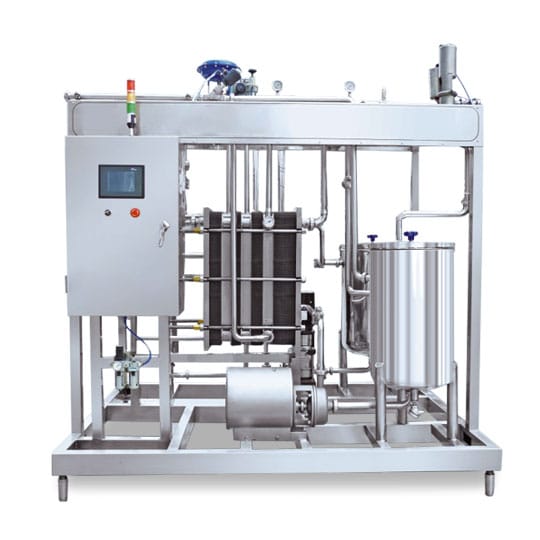
दूध पास्चुरीकरण कैसे काम करता है: HTST बनाम UHT की व्याख्या
सुरक्षित डेयरी प्रसंस्करण के पीछे विज्ञान | तापमान, समय, और गुणवत्ता के बीच समझौते
Whether you’re a dairy farmer diversifying into yogurt production, an entrepreneur building a food processing facility, or simply curious about how milk becomes safe for consumption, understanding दूध पाश्चुरीकरण is essential. This guide breaks down the two dominant pasteurization methods—HTST and UHT—explaining the science, practical applications, and how to choose the right approach for your business.
पाश्चुरीकरण क्या है?
pasteurization is a controlled heat treatment process that eliminates harmful pathogenic microorganisms from milk and other liquid foods. Named after French scientist Louis Pasteur, who developed the technique in the 1860s to solve wine spoilage problems, this method has become the global standard for dairy safety.
मूल सिद्धांत सरल है: रोगजनक बैक्टीरिया को नष्ट करने के लिए पर्याप्त गर्मी लागू करें, जबकि उत्पाद की पोषण गुणवत्ता, स्वाद, और कार्यात्मक गुणों को कम से कम नुकसान पहुंचाएं। चुनौती सही संतुलन खोजने की है—जो आपके लक्षित अनुप्रयोग पर निर्भर करता है।
डेयरी उत्पादों के लिए पाश्चराइजेशन क्यों महत्वपूर्ण है?
- सार्वजनिक स्वास्थ्य संरक्षण: पाश्चराइजेशन 99.9% रोगजनक बैक्टीरिया जैसे सैल्मोनेला, ई. कोलाई O157:H7, लिस्टेरिया मोनोसाइटोजेनेस, और कैम्पिलोबैक्टर को समाप्त कर देता है
- विस्तारित शेल्फ लाइफ: उपचारित दूध रेफ्रिजरेशन में कच्चे दूध की तुलना में काफी लंबा समय रहता है
- समान गुणवत्ता: मानकीकृत प्रक्रिया सुनिश्चित करती है कि बैच के बाद बैच उत्पाद की विशेषताएँ पूर्वानुमानित हों
- किण्वन सक्षम बनाना: योगर्ट और चीज़ उत्पादन के लिए, पाश्चराइजेशन लाभकारी बैक्टीरियल संस्कृतियों के लिए आदर्श वातावरण बनाता है
HTST पाश्चराइजेशन की व्याख्या
HTST (High-Temperature Short-Time) pasteurization is the most widely used method in commercial dairy processing. This approach heats milk to 72-85°C (161-185°F) for 15-40 सेकंड, achieving a 5-log reduction in pathogenic microorganisms.
HTST कैसे काम करता है: प्रक्रिया
- पूर्वगर्म करना: कच्चे दूध को एक हीट एक्सचेंजर में प्रवेश कराया जाता है, जहां इसे जल्दी से लक्षित तापमान तक बढ़ाया जाता है
- धारक: दूध को आवश्यक होल्डिंग अवधि के लिए एक सटीक रूप से डिज़ाइन किए गए होल्डिंग ट्यूब में रखा जाता है
- तत्काल ठंडा करना: गर्मी उपचारित दूध को तेजी से 4°C (39°F) पर ठंडा किया जाता है ताकि शेष बैक्टीरियल गतिविधि को रोका जा सके
- : एसैप्टिक पैकेजिंग: उत्पाद को नियंत्रित परिस्थितियों में स्टेराइल कंटेनरों में पैक किया जाता है
HTST के लाभ
| लाभ | व्याख्या |
|---|---|
| पोषक तत्व संरक्षण | : कच्चे दूध की तुलना में 90% विटामिन और एंजाइम संरक्षित |
| ताजा स्वाद | कम पकने या जलने का स्वाद; मूल दूध के स्वाद के करीब |
| प्रोटीन गुणवत्ता | व्हे प्रोटीन कार्यशील रहते हैं; योगर्ट और चीज़ बनाने के लिए आदर्श |
| उद्योग मानक | व्यापक रूप से समझा जाने वाला, सिद्ध तकनीक, स्थापित उपकरण के साथ |
| उपकरण लागत | UHT की तुलना में मध्यम निवेश |
For दही उत्पादन, HTST is the preferred method because the moderate heat treatment denatures whey proteins just enough to improve yogurt texture without compromising the fermentation process. Our milk pasteurizer machines implement this principle using precision PID temperature control (±0.5°C accuracy) to ensure consistent results.
UHT प्रसंस्करण की व्याख्या
UHT (Ultra-High Temperature) processing represents the most aggressive heat treatment in commercial dairy processing. This method heats milk to 135-150°C (275-302°F) for just 2-5 सेकंड, achieving what the industry calls “commercial sterility.”
UHT कैसे काम करता है: प्रत्यक्ष और अप्रत्यक्ष तरीके
प्रत्यक्ष UHT
भाप सीधे दूध में इंजेक्ट की जाती है, जिससे मिलीसेकंड में अत्यंत तेजी से गर्मी मिलती है। इस विधि से लैक्टोज कारमेलाइजेशन के कारण हल्का मीठा स्वाद बनता है।
अप्रत्यक्ष UHT
दूध को एक हीट एक्सचेंजर (प्लेट या ट्यूबुलर) से गुजरने दिया जाता है, जिसमें सीधे भाप का संपर्क नहीं होता। यह अंतिम उत्पाद की संरचना पर बेहतर नियंत्रण प्रदान करता है।
UHT लाभ
| लाभ | व्याख्या |
|---|---|
| विस्तारित शेल्फ लाइफ | 6-9 महीने कमरे के तापमान पर; बिना कोल्ड चेन के वितरण के लिए आदर्श |
| वाणिज्यिक निरपेक्षता | सभी जलीय बैक्टीरिया और स्पोर्स नष्ट हो जाते हैं; खोलने से पहले रेफ्रिजरेशन की आवश्यकता नहीं |
| वैश्विक वितरण | सीमित कोल्ड स्टोरेज अवसंरचना वाले क्षेत्रों में निर्यात सक्षम बनाता है |
| कम अपशिष्ट | लंबी शेल्फ लाइफ उत्पाद की खराबी को पूरे सप्लाई चेन में कम करती है |
| उत्पादन दक्षता | सतत प्रसंस्करण उच्च मात्रा में उत्पादन की अनुमति देता है |
HTST बनाम UHT: मुख्य अंतर
| पहलू | HTST पाश्चराइजेशन | UHT प्रसंस्करण |
|---|---|---|
| तापमान | 72-85°C (161-185°F) | 135-150°C (275-302°F) |
| प्रसंस्करण समय | 15-40 सेकंड | 2-5 सेकंड |
| शेल्फ जीवन | 7-21 दिन (ठंडा रखने पर) | 6-9 महीने (आम वातावरण) |
| पोषक तत्व संरक्षण | 90% विटामिन संरक्षित, उच्च | मध्यम (70-80% विटामिन) |
| स्वाद प्रोफ़ाइल | ताजा, प्राकृतिक स्वाद | हल्के पकने वाले कैरामेलाइज्ड नोट्स |
| प्रोटीन कार्यक्षमता | किण्वन के लिए संरक्षित | व्यापक रूप से डीनैचर किया गया |
| भंडारण आवश्यकताएँ | कोल्ड चेन (0-4°C) | कमरे का तापमान (खोलने से पहले) |
| उपकरण निवेश | $8,000-$50,000 | $50,000-$500,000+ |
| आदर्श अनुप्रयोग | ताजा डेयरी, योगर्ट, चीज़, स्थानीय वितरण | लंबी दूरी का वितरण, निर्यात, विस्तारित शेल्फ लाइफ उत्पाद |
आपके व्यवसाय के लिए कौन सा तरीका सही है?
HTST और UHT के बीच चयन कई कारकों पर निर्भर करता है जो आपके संचालन से संबंधित हैं। इन परिदृश्यों पर विचार करें:
जब चुनें HTST:
- योगर्ट या किण्वित डेयरी उत्पाद बनाना: मध्यम गर्मी प्रोटीन कार्यक्षमता को संरक्षित करती है, जो बैक्टीरियल संस्कृतियों के लिए आवश्यक है
- : स्थानीय या क्षेत्रीय रूप से बेचने: छोटी शेल्फ लाइफ स्वीकार्य है जब वितरण चैनल तेज़ हैं
- पोषण गुणवत्ता को प्राथमिकता देना: उच्च विटामिन संरक्षण और ताजा स्वाद स्वास्थ्य जागरूक उपभोक्ताओं को आकर्षित करता है
- सीमित पूंजी के साथ संचालन: कम उपकरण निवेश और सरल प्रसंस्करण आवश्यकताएँ
- उच्च या शिल्प बाजारों में परोसना: उपभोक्ता “ताजा” लेबल वाले डेयरी उत्पादों को अधिक पसंद करने लगे हैं
UHT चुनें जब:
- : दूरस्थ या उष्णकटिबंधीय बाजारों में वितरण: परिवेशीय भंडारण महंगे कोल्ड चेन आवश्यकताओं को समाप्त करता है
- अंतरराष्ट्रीय स्तर पर डेयरी उत्पादों का निर्यात: लंबी शेल्फ लाइफ शिपिंग और सीमा शुल्क देरी को समायोजित करती है
- : संस्थागत खरीदारों के लिए शेल्फ-स्थिर दूध का उत्पादन: स्कूल, अस्पताल, और सैन्य सुविधाओं को अक्सर UHT की आवश्यकता होती है
- ताजगी के बजाय उत्पादन मात्रा को प्राथमिकता देना: सतत प्रक्रिया उच्च थ्रूपुट सक्षम बनाती है
- : अस्थिर बिजली आपूर्ति वाले क्षेत्रों में संचालन: उत्पाद बिना निरंतर रेफ्रिजरेशन के सुरक्षित रहते हैं
For most small to medium yogurt production lines, HTST pasteurization is the logical choice. It provides the right balance of food safety, nutritional quality, and equipment affordability while setting the foundation for successful yogurt fermentation with your वाणिज्यिक दही मशीन.
तापमान और समय के पीछे विज्ञान
: तापमान और समय के बीच संबंध एक अच्छी तरह से स्थापित सिद्धांत का पालन करता है: उच्च तापमान कम समय में माइक्रोबियल विनाश प्राप्त करने के लिए आवश्यक है। इसी कारण HTST और UHT दोनों ही अलग-अलग मार्गों से समान सुरक्षा परिणाम प्राप्त कर सकते हैं।
थर्मल डेथ टाइम कर्व्स
Each microorganism has a characteristic thermal death time—the time required at a specific temperature to achieve a given reduction in population. The most heat-resistant pathogen of concern in milk is Coxiella burnetii, the causative agent of Q fever, which requires 60°C for 30 minutes for complete destruction. HTST and UHT protocols are designed to exceed this requirement by a comfortable safety margin.
गुणवत्ता प्रभाव: क्यों तापमान महत्वपूर्ण है
- व्हे प्रोटीन डीनैचराइजेशन: 70°C से ऊपर तापमान पर, व्हे प्रोटीन (विशेष रूप से β-लैक्टोग्लोबुलिन) अनफोल्ड होने लगते हैं, जिससे योगर्ट की बनावट और चीज़ की उपज प्रभावित होती है
- लैक्टोज का अपघटन: UHT तापमान लैक्टोज को ग्लूकोज और गैलेक्टोज में तोड़ सकता है, जिससे स्वाद में हल्का मीठापन आ सकता है
- विटामिन हानि: विटामिन C और B-समूह विटामिन गर्मी-संवेदनशील हैं; UHT प्रसंस्करण में विटामिन की हानि अधिक होती है
- माइलार्ड प्रतिक्रिया: अत्यधिक गर्मी ब्राउनिंग प्रतिक्रियाओं को प्रोत्साहित करती है, जो UHT दूध के विशिष्ट रंग और स्वाद में योगदान देती है
योगर्ट उत्पादन के लिए: पाश्चराइजेशन का महत्वपूर्ण भूमिका
योगर्ट उत्पादन में, पाश्चराइजेशन कई महत्वपूर्ण कार्य करता है, इसके अलावा कि यह माइक्रोबियल सुरक्षा सुनिश्चित करता है:
- प्रोटीन संशोधन: नियंत्रित गर्मी व्हे प्रोटीन को खोलती है, जिससे वे किण्वन के दौरान एक मजबूत जेल नेटवर्क बनाते हैं
- ऑक्सीजन निष्कासन: गर्म करने के दौरान घुलनशील ऑक्सीजन बाहर निकल जाती है, जिससे अनएरोबिक परिस्थितियाँ बनती हैं जो योगर्ट बैक्टीरिया के अनुकूल होती हैं
- पोषक तत्व मुक्त करना: गर्मी विटामिन और खनिजों को अधिक जैवउपयोगी बनाती है, जिससे बैक्टीरियल वृद्धि को प्रोत्साहन मिलता है
- स्पोर का विनाश: बैक्टीरियल स्पोर्स को समाप्त करता है जो किण्वन या भंडारण के दौरान जर्मिनेट कर सकते हैं
Following pasteurization, homogenization is often applied to reduce fat globule size, preventing cream separation and creating a smoother texture in the final yogurt product.
सामान्य प्रश्न: HTST और UHT के बारे में अक्सर पूछे जाने वाले प्रश्न
क्या पाश्चराइजेशन सभी बैक्टीरिया को मार देता है?
पाश्चराइजेशन 99.9% रोगजनक बैक्टीरिया को समाप्त कर देता है, जिसे खाद्य वैज्ञानिक “5-लॉग कमी” कहते हैं। कुछ गर्मी-प्रतिरोधी बैक्टीरिया और बैक्टीरियल स्पोर्स जीवित रहते हैं, लेकिन ये आमतौर पर हानिकारक नहीं होते हैं और यहां तक कि योगर्ट संस्कृतियों में भी योगदान दे सकते हैं। शेष सूक्ष्मजीवों को रेफ्रिजरेशन और किण्वन के दौरान बनाये गए अम्लीय वातावरण के माध्यम से नियंत्रित किया जाता है।
योगर्ट उत्पादन के लिए कौन सा तरीका बेहतर है?
HTST pasteurization is superior for yogurt production. The moderate temperatures preserve whey protein functionality, which is essential for achieving proper yogurt texture and gel structure. UHT processing denatures proteins too extensively, resulting in poor fermentation characteristics and inferior texture. Most commercial yogurt producers use HTST or vat pasteurization as the foundation for quality yogurt.
UHT दूध का स्वाद अलग क्यों होता है?
UHT दूध में हल्का “पका हुआ” या “कारमेलाइज्ड” स्वाद विकसित होता है, जो माइलार्ड प्रतिक्रिया के कारण अमीनो एसिड और शर्करा के बीच होता है। इसके अतिरिक्त, लैक्टोज का ग्लूकोज और गैलेक्टोज में टूटना मिठास में योगदान देता है। कुछ उपभोक्ता इस स्वाद प्रोफ़ाइल को पसंद करते हैं, जबकि अन्य HTST-पाश्चराइज्ड दूध के ताजा स्वाद को प्राथमिकता देते हैं।
क्या मैं HTST उपकरण का उपयोग UHT गुणवत्ता वाले दूध के उत्पादन के लिए कर सकता हूँ?
नहीं, HTST और UHT मूलभूत रूप से अलग उपकरण की आवश्यकता होती है, जो उनके विशिष्ट तापमान-समय मानकों के लिए डिज़ाइन किए गए हैं। HTST प्रणालियाँ UHT तापमान प्राप्त नहीं कर सकतीं, और UHT प्रणालियाँ ऐसी दबाव और तापमान पर काम करती हैं जो दूध को HTST के लिए अधिभारित कर देंगी। अपने मुख्य उत्पाद और बाजार आवश्यकताओं के आधार पर अपने उपकरण का चयन करें।
ऑपरेटिंग लागत में क्या अंतर है?
HTST प्रणालियों में आमतौर पर कम ऊर्जा खपत होती है क्योंकि ये कम तापमान पर काम करती हैं, हालांकि इन्हें निरंतर रेफ्रिजरेशन की आवश्यकता होती है। UHT प्रणालियाँ भाप उत्पादन और एसैप्टिक पैकेजिंग के लिए अधिक ऊर्जा खपत करती हैं, लेकिन कोल्ड चेन लागत को समाप्त कर देती हैं। छोटे पैमाने पर संचालन के लिए, HTST आमतौर पर बेहतर आर्थिक विकल्प प्रदान करता है; बड़े पैमाने पर निर्यात-उन्मुख उत्पादन के लिए, UHT के वितरण लाभ उच्च प्रसंस्करण लागत से अधिक हो सकते हैं।
संबंधित उत्पाद
दूध पास्चुरीकरण मशीन
योगर्ट और डेयरी प्रसंस्करण के लिए HTST पाश्चराइजेशन उपकरण। 200L-5000L क्षमता के साथ सटीक तापमान नियंत्रण।
दही उत्पादन लाइन
कच्चे दूध से पैकेज्ड योगर्ट तक पूर्ण टर्नकी समाधान। 200L-5000L दैनिक क्षमता के साथ एकीकृत पाश्चराइजेशन।
योगर्ट किण्वन टैंक
तापमान नियंत्रित किण्वन टैंक जो स्थिर योगर्ट उत्पादन के लिए उपलब्ध है। एकल और डबल चैम्बर विन्यास में उपलब्ध।