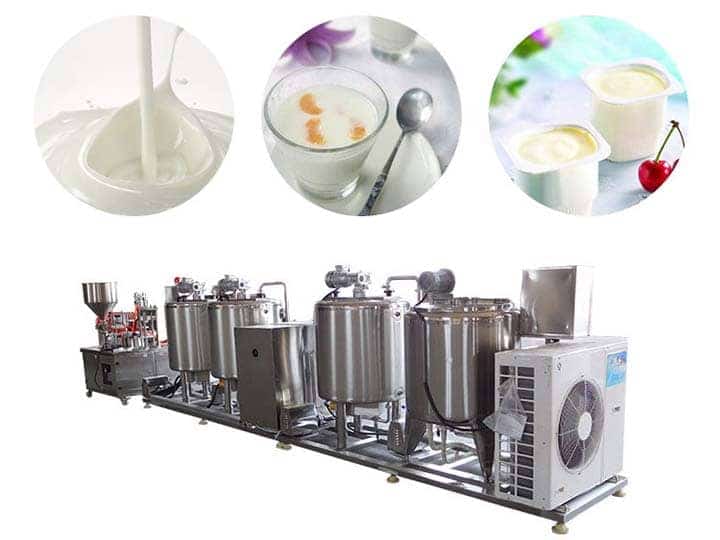
Invertir en el equipo de yogur adecuado es una de las decisiones más críticas para quienes ingresan al negocio del procesamiento lácteo. Ya sea que seas un productor lácteo que busca agregar valor a su producción de leche, un emprendedor que inicia una marca de yogur, o una empresa establecida que expande su línea de productos, elegir la maquinaria adecuada puede marcar la diferencia entre éxito y dificultad. Esta guía completa de compra de equipos de yogur te guiará en todo lo que necesitas saber para seleccionar el equipo de yogur que se ajuste a tus objetivos de producción, presupuesto y estándares de calidad.
💡 Consejo rápido: ¿No estás seguro de qué equipo necesitas? Contacta a nuestros expertos para una consulta gratuita. Te ayudaremos a elegir la solución de producción de yogur perfecta para tus requisitos y presupuesto.
Comprender sus necesidades de producción de yogur
Antes de profundizar en las especificaciones y características del equipo, es esencial definir claramente sus requisitos de producción. Tomarse el tiempo para evaluar sus necesidades le ayudará a evitar sobreinvertir en capacidades innecesarias o subinvertir en funcionalidades críticas.
Evaluar su escala de producción
Su volumen de producción diario es el factor principal que determina el tipo y tamaño del equipo que necesita:
- Pequeña escala (50-200L/día): Ideal para diversificación agrícola, pequeños cafés o pruebas de mercado. El equipo es compacto, asequible y fácil de operar. Ver opciones de pequeña escala
- Mediana escala (500-1000L/día): Adecuado para pequeñas empresas establecidas, distribución local y fabricantes de productos especializados. Ver precios de escala media
- Gran escala (2000L /día): Requerido para distribución regional, producción industrial y contratos de suministro a grandes minoristas. Solicitar cotización de línea industrial
Definir tu gama de productos
Diferentes productos de yogur requieren capacidades específicas del equipo:
| Tipo de producto | Requisitos clave del equipo | Solución recomendada |
|---|---|---|
| Yogur batido | Tanques de fermentación estándar, equipos de mezcla | Fabricante de fermentación |
| Yogur de set | Llenado individual en tazas, control de temperatura preciso | Máquina de llenado |
| Yogur griego | Equipo de filtración, manejo de sólidos más altos | Solución personalizada |
| : Yogur bebible | : Sistemas de llenado líquido, control extendido de fermentación | Línea completa |
| Yogur con sabor | Equipo de preparación de fruta, sistemas de inyección de sabor | Consultar a nuestros expertos |
Componentes esenciales del equipo de yogur
Una línea completa de producción de yogur consiste en varios componentes interconectados, cada uno desempeñando un papel vital en el proceso de fabricación:
1. Recepción y almacenamiento de leche
El yogur de calidad comienza con un manejo de leche de calidad:
- Tanques de enfriamiento: Mantener la leche cruda a 4°C para prevenir el crecimiento bacteriano y preservar la frescura
- Estaciones de recepción: Conexiones sanitarias para la entrega de leche con capacidades de filtración y medición
- Capacidad de almacenamiento: Volumen suficiente para cubrir 1-2 días de producción
2. Equipos de procesamiento de leche
Componentes centrales de procesamiento que transforman la leche cruda en material listo para yogur:
- : Sistemas de filtración: Eliminar impurezas y garantizar la pureza del producto
- Tanques de precalentamiento: Calentar gradualmente la leche a la temperatura óptima de procesamiento
- Homogenizadores: Descompone las glóbulos de grasa para una textura suave y estabilidad
- Pasteurizadores: Eliminar patógenos mientras se preservan propiedades beneficiosas
3. Equipos de fermentación
El corazón de la producción de yogur, donde la leche se transforma en yogur:
- Tanques de fermentación: Vasijas con control de temperatura para el desarrollo del cultivo
- Cámaras de incubación: Mantener temperatura y humedad precisas para una fermentación óptima
- Sistemas de dosificación de cultivos: Medición precisa y adición de cultivos iniciadores de yogur
4. Equipos de envasado y llenado
Los pasos finales de procesamiento preparan el yogur para el mercado:
- Máquinas de llenado: Dispensación precisa en tazas, botellas o contenedores a granel
- Equipo de sellado: Cierre seguro para mantener la frescura y prevenir la contaminación
- Sistemas de etiquetado: Información de identificación del producto y cumplimiento regulatorio
- Unidades de refrigeración: Almacenamiento en frío para mantener la calidad del producto durante el envasado
5. Sistemas de limpieza y saneamiento
: Mantener estándares de higiene es crucial para la seguridad alimentaria:
- Sistemas CIP (Limpieza en sitio): Limpieza automatizada sin desmontaje del equipo
- Equipos de esterilizaciónCapacidades de sanitización con vapor o químicos
- Tratamiento de agua: Suministro de agua purificada para limpieza y procesamiento
Características clave a buscar en equipos de yogur
Calidad y construcción de materiales
Los materiales utilizados en la construcción del equipo impactan directamente en la seguridad del producto, la durabilidad del equipo y los requisitos de mantenimiento:
- Acero inoxidable de grado alimentario: Acero de grado 304 o 316 para todas las superficies en contacto con leche
- Resistencia a la corrosión: Esencial para manejar productos de yogur ácidos y productos químicos de limpieza
- Acabado superficial: Superficies lisas y pulidas que previenen la acumulación de bacterias y facilitan la limpieza
- Calidad de soldadura: Soldaduras suaves y continuas sin grietas ni hendiduras
Precisión en control de temperatura
La gestión precisa de la temperatura es fundamental para la calidad del yogur:
- Controles digitales: Configuración y monitoreo precisos de temperatura
- Distribución uniforme del calor: Tanques con recubrimiento de doble capa con transferencia eficiente de calor
- Capacidad de enfriamiento rápido: Transición rápida entre etapas del proceso
- Registro de temperatura: Registro de datos para control de calidad y trazabilidad
Sistemas de automatización y control
Las funciones de automatización moderna mejoran la consistencia y reducen la mano de obra:
- Controles PLC: Controladores lógicos programables para automatización de procesos
- Interfaces táctiles: Operación y monitoreo fáciles de usar
- Gestión de recetasProgramas almacenados para diferentes variedades de yogur
- Sistemas de alarma: Alertas por desviaciones de temperatura o fallos del equipo
- Monitoreo remoto: Sistemas conectados a Internet para supervisión remota
Factores que afectan los precios del equipo de yogur
Comprender los determinantes de precios ayuda en la presupuestación y evaluación de valor:
| Factor | Impacto en el precio | Consideraciones |
|---|---|---|
| Capacidad de producción | Alto | Los equipos de mayor tamaño cuestan más, pero ofrecen economías de escala |
| Nivel de Automatización | Alto | Manual < Semi-automático < Completamente automático |
| Grado de material | Medio | El costo del acero inoxidable 316 es mayor que el 304, pero ofrece mejor resistencia a la corrosión |
| Marca y origen | Medio | Las marcas establecidas pueden costar más, pero ofrecen mejor soporte |
| Personalización | Mediana-alta | Características o tamaños especiales aumentan los costos |
| Certificación | Bajo-Medio | Certificaciones CE, ISO u otras pueden aumentar el costo |
💰 ¿Buscando precios detallados? Consulte nuestra completa Guía de precios de máquinas de hacer yogur 2026 para desgloses completos de costos por capacidad y configuración.
Rangos de precios de equipos de yogur 2026
Mientras los precios varían según las especificaciones y proveedores, aquí hay rangos generales para orientar su presupuesto:
Equipamiento de nivel inicial (pequeña escala)
- Línea básica completa: $15,000 – $30,000
- Unidades de fermentación individuales: $2,000 – $8,000
- Equipos de envasado: $3,000 – $10,000
- Mejor para: Startups, diversificación agrícola, pequeños productores especializados
Equipamiento de gama media (Escala media)
- Línea de producción completa: $40,000 – $100,000
- Sistemas semi-automáticos: $25,000 – $60,000
- Líneas de envasado avanzadas: $15,000 – $40,000
- Mejor para: Empresas en crecimiento, distribución regional, líneas de productos múltiples
Equipamiento industrial (Gran escala)
- Líneas totalmente automatizadas: $150,000 – $500,000
- Fermentación de alta capacidad: $50,000 – $150,000
- Sistemas de envasado integrados: $40,000 – $120,000
- Mejor para: Operaciones comerciales grandes, distribución nacional, producción industrial
Consejos expertos para elegir el equipo correcto
1. Planifique para el crecimiento futuro
Elija equipos que puedan acomodar un crecimiento del 20-30% en capacidad sin reemplazo completo. Los sistemas modulares permiten una expansión gradual a medida que su negocio se desarrolla. A menudo, es más rentable comprar equipos ligeramente más grandes inicialmente que reemplazar equipos subdimensionados en 2-3 años.
2. Priorizar la calidad sobre el precio
Aunque las restricciones presupuestarias son reales, invertir en equipos de calidad reduce costos a largo plazo mediante menor mantenimiento, mayor durabilidad y calidad constante del producto. Los equipos baratos a menudo conducen a problemas costosos.
3. Considerar el costo total de propiedad
Mirar más allá del precio de compra para incluir:
- Costos de instalación y puesta en marcha
- Capacitación y soporte inicial
- Consumo de energía y costos de servicios públicos
- Mantenimiento y disponibilidad de piezas de repuesto
- Tiempos de soporte técnico y respuesta de servicio
4. Verificación de cumplimiento y certificación
Asegurar que el equipo cumpla con:
- Regulaciones locales de seguridad alimentaria
- Normas internacionales (CE, ISO, 3A Sanitary)
- Requisitos específicos de la industria láctea
- Códigos eléctricos y de seguridad
5. Solicitar demostraciones y referencias
Antes de finalizar compras:
- Visitar instalaciones de fabricación si es posible
- Observar demostraciones de operación del equipo
- Contactar a clientes existentes para referencias
- Solicitar pruebas piloto con tus productos específicos
- Revisar términos de garantía y acuerdos de servicio
Errores comunes a evitar al comprar equipos de yogur
Subestimar los requisitos de capacidad
Muchos compradores se centran en las necesidades actuales sin considerar el crecimiento. Un equipo demasiado pequeño limita la expansión, mientras que uno sobredimensionado desperdicia capital y costos operativos.
Ignorar la complejidad de integración
Comprar equipos de múltiples proveedores sin considerar cómo trabajan los componentes juntos puede llevar a problemas de compatibilidad, ineficiencias y desafíos de mantenimiento. Una solución completa de un solo fabricante garantiza una integración sin problemas.
Pasar por alto la capacitación y el soporte
El mejor equipo funciona mal sin una capacitación adecuada del operador. Asegúrese de que su proveedor ofrezca capacitación integral y soporte técnico continuo. En Shuliy, brindamos capacitación detallada y asistencia técnica 24/7.
Pasar por alto la diversificación futura de productos
Si planeas expandirte más allá del yogur básico hacia yogur griego, variedades con sabor u otros productos lácteos, asegúrate de que tu equipo pueda acomodar estos productos futuros.
Trabajando con Shuliy Machinery para sus necesidades de equipo
Shuliy Machinery ha sido un fabricante confiable de equipos de procesamiento de yogur desde 2011, sirviendo a clientes en más de 50 países. Nuestro enfoque integral asegura que recibas no solo equipos, sino una solución de producción completa:
Nuestros servicios integrales incluyen:
- Consulta gratuita: Asesoramiento experto en selección de equipos según sus requisitos específicos
- Soluciones personalizadas: Equipos adaptados a sus objetivos de producción, restricciones de espacio y presupuesto
- Fabricación de calidadConstrucción en acero inoxidable de grado alimentario con control de calidad riguroso
- Soporte en instalación: Asistencia en sitio o remota con la configuración y puesta en marcha del equipo
- Capacitación para operadores: Programas de capacitación integral para su equipo de producción
- Soporte técnico: Servicio postventa receptivo y asistencia en resolución de problemas
- Suministro de repuestosDisponibilidad rápida de repuestos para minimizar el tiempo de inactividad
🎯 Da el siguiente paso en tu viaje de producción de yogur
Elegir el equipo de yogur correcto es una decisión importante que afecta la calidad del producto, la eficiencia operativa y la rentabilidad del negocio. Siguiendo las pautas en esta guía completa de compra de equipos de yogur, estarás bien equipado para tomar una decisión informada que apoye los objetivos de tu negocio.
🚀 ¿Listo para comenzar? Contacta a Shuliy Machinery hoy para una consulta gratuita. Nuestro equipo experimentado te ayudará a navegar el proceso de selección de equipos, proporcionará cotizaciones detalladas y diseñará una solución de producción adaptada a tus requisitos específicos.
Ya sea que estés comenzando o buscando actualizar equipos existentes, estamos comprometidos a ayudarte a tener éxito en el mercado de yogur en crecimiento y dinámico. Trabajemos juntos para convertir tu visión de producción de yogur en realidad.
📞 Información de contacto
- WhatsApp: 86 13838515872 (Respuesta más rápida)
- Correo electrónico: info@yogurt-machine.com
- Sitio web: www.yogurt-machine.com
Recursos relacionados: Guía de precios de máquinas de yogur | Guía de inversión: costos y retorno de inversión | Cómo comenzar un negocio de yogur | Línea de producción de yogur
Palabras clave: guía de compra de equipos de yogur, guía de selección de máquinas de yogur, equipos comerciales de yogur, equipos de procesamiento lácteo, equipos de producción de yogur, cómo elegir máquina de yogur, equipos para negocio de yogur