لماذا تهم صيانة معدات الزبادي
الصيانة الصحيحة لآلة الزبادي ضرورية لضمان جودة المنتج الثابتة، ومنع الأعطال المكلفة، وإطالة عمر المعدات. المعدات المُصانة جيدًا لا تقدم فقط منتجات زبادي عالية الجودة، بل تقلل أيضًا من وقت التوقف وتكاليف التشغيل. الصيانة المنتظمة تمنع التلوث، وتحافظ على الأداء الثابت، وتضمن الامتثال لمعايير سلامة الغذاء.
: بدون الصيانة المناسبة، يواجه معدات إنتاج الزبادي مشاكل شائعة مثل نمو البكتيريا، التآكل الميكانيكي، وانخفاض الكفاءة. يغطي هذا الدليل ممارسات الصيانة الشاملة لجميع المعدات الرئيسية في خط إنتاج الزبادي الخاص بك، من البسترة إلى التعبئة.
نظرة عامة على معدات إنتاج الزبادي
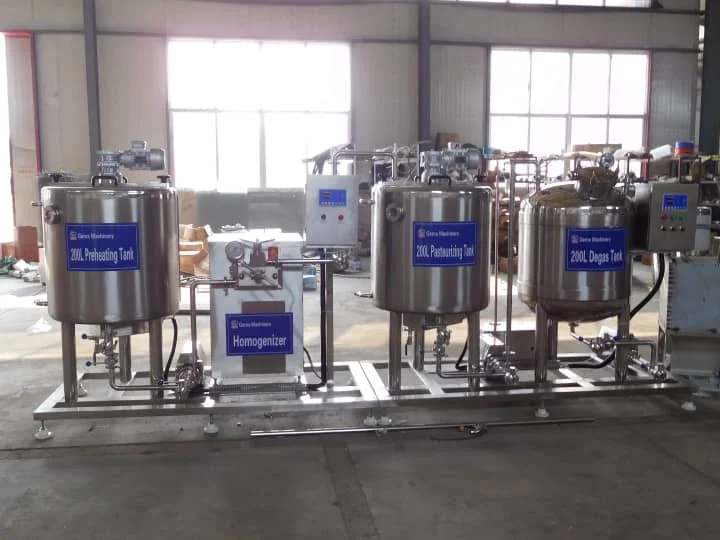
يتكون خط إنتاج الزبادي الكامل من عدة معدات مترابطة، كل منها يتطلب بروتوكولات صيانة محددة:
- مبستر الحليب: يضمن سلامة الحليب من خلال المعالجة الحرارية
- صانع تخمير الزبادي: التحكم في درجة حرارة وتوقيت التخمير
- آلة تجانس الألبان: تحسين جزيئات الحليب للحصول على قوام موحد
- مرشح الزبادي المزدوج: إزالة الشوائب من الحليب
- نظام تنظيف CIP للزبادي: أتمتة تنظيف المعدات
- آلة تعبئة الزبادي الأوتوماتيكية: تعبئة الزبادي في الحاويات
- خط إنتاج الزبادييُدمج جميع المعدات لتشغيل سلس
- آلة حلب الأبقار: جمع الحليب الخام للمعالجة
كل قطعة من المعدات لها متطلبات صيانة فريدة بناءً على وظيفتها، موادها، وتعرضها لمنتجات الألبان.
: إجراءات التنظيف اليومية
التنظيف اليومي هو أساس الصيانة الفعالة لآلة الزبادي. يجب تنفيذ هذه الإجراءات بعد كل دورة إنتاج لمنع نمو البكتيريا وتراكم بقايا المنتج.
: خطوات التنظيف لجميع المعدات
- الشطف بالماء الدافئ: إزالة بقايا المنتج غير المرغوب فيها بالماء 40-50°C
- تطبيق محلول المنظف: استخدام منظف قلوي من الدرجة الغذائية (pH 11-12) عند 60-70°C
- فرك أسطح الاتصال: استخدام فرش ناعمة للمناطق التي يصعب الوصول إليها
- : الشطف جيدًا: إزالة جميع المنظفات بالماء النظيف
- تعقيم الأسطح: تطبيق المعقم المعتمد (مبني على اليود أو الأمونيوم الرباعي)
- الشطف النهائي: إزالة بقايا المعقم بالماء الصالح للشرب
- تصريف وتجفيف: التأكد من تصريف جميع المعدات بشكل كامل
: بالنسبة للمعدات التي تحتوي على أنظمة CIP، اتبع بروتوكول دورة التنظيف الآلي. راقب درجات حرارة التنظيف وتركيزات المواد الكيميائية لضمان الفعالية.
قائمة فحص الفحص الأسبوعي
الفحوصات الأسبوعية تساعد على تحديد المشكلات المحتملة قبل أن تتطور إلى مشاكل كبيرة. استخدم هذا القائمة الشاملة للحفاظ على حالة المعدات المثلى.
| معدات | عنصر الفحص | مواصفات قياسية | الإجراء المطلوب |
|---|---|---|---|
| مبستر الحليب | حشوات وأختام | : عدم وجود تشققات أو تشوهات | استبدال إذا تضرر |
| صانع تخمير الزبادي | حساسات درجة الحرارة | : دقة ±0.5°C | : المعايرة إذا تم اكتشاف انحراف |
| الخالط | مستويات الزيت | : بين علامات الحد الأدنى والأقصى | إضافة الزيت للمستوى الصحيح |
| فلتر | : عناصر الفلتر | عدم الانسداد أو التلف | التنظيف أو الاستبدال حسب الحاجة |
| آلة التعبئة | آليات الإغلاق | عدم وجود تآكل أو سوء محاذاة | تعديل أو استبدال الأختام |
| نظام CIP | المضخات والصمامات | لا تسربات أو أصوات غير معتادة | : الخدمة إذا لزم الأمر |
توثيق جميع الفحوصات الأسبوعية بالتواريخ، النتائج، والإجراءات التصحيحية المتخذة. يساعد هذا السجل على تتبع اتجاهات حالة المعدات وفعالية الصيانة.
مهام الصيانة الشهرية
الصيانة الشهرية تتجاوز التنظيف اليومي لمعالجة المكونات الميكانيكية وأداء النظام. تضمن هذه المهام الاعتمادية على المدى الطويل.
المكونات الميكانيكية
- التشحيم: تطبيق زيوت ذات جودة غذائية على الكراسي والأجزاء المتحركة
- : فحص الأحزمة: التحقق من التوتر والمحاذاة، استبدال الأحزمة المهترئة
- صيانة المحركفحص الاتصالات الكهربائية وغلاف المحرك
- زيت صندوق التروس: التحقق من المستويات وتغييرها وفقًا لجدول الشركة المصنعة
- تحليل الاهتزازات: مراقبة أنماط الاهتزاز غير الطبيعية
التحقق من الأداء
- معايرة درجة الحرارة: التحقق من دقة المستشعر عبر نطاق التشغيل
- اختبار الضغط: التحقق من وجود تسربات في أنظمة الضغط العالي
- : التحقق من معدل التدفق: تأكيد أن السعة تتوافق مع المواصفات
- سلامة الأختام: اختبار الأختام تحت ظروف التشغيل
- : فعالية التنظيف: التحقق من أن تنظيف CIP يحقق المعايير المطلوبة
الصيانة الفصلية والسنوية
تتركز فترات الصيانة الممتدة على عمليات التجديد الشاملة للنظام واستبدال المكونات. تتطلب هذه الأنشطة عادة توقفًا مخططًا له.
مهام ربع سنوية
- تفكيك كامل: تنظيف وفحص المكونات الداخلية
- استبدال المكوناتاستبدال الحشوات والأختام وأجزاء التآكل
- : الأنظمة الكهربائية: فحص الأسلاك، الاتصالات، وأجهزة التحكم
- : تحديثات البرامج: تحديث أنظمة التحكم والبرامج الثابتة
- اختبار الأداء: إجراء اختبارات نظام شاملة
الصيانة السنوية
- استبدال المكونات الرئيسية: استبدال المضخات والمحركات والأجزاء الحيوية
- ترقيات النظام: تركيب تحسينات الكفاءة
- فحص شاملتقييم كامل للنظام
- : تحديث التدريبتحديث معرفة المشغل
- : مراجعة جدول الصيانة: التعديل بناءً على بيانات الأداء
: أجزاء التآكل الشائعة وجدول الاستبدال
معرفة متى يجب استبدال أجزاء التآكل الشائعة يمنع الفشل غير المتوقع ويحافظ على جودة المنتج الثابتة. اتبع جدول الاستبدال هذا بناءً على ساعات التشغيل.
| مكون | فترة الاستبدال | مؤشرات الاستبدال |
|---|---|---|
| الأختام والحشوات | كل 6 أشهر أو 2000 ساعة | التشقق، التصلب، التسرب |
| مرشحات | شهريًا إلى ربع سنوي | زيادة انخفاض الضغط، تقليل التدفق |
| الكراسي bearings | سنويًا أو 4000 ساعة | ضوضاء غير معتادة، اهتزاز، حرارة |
| : الأحزمة | : كل 6-12 شهر | شروخ، تمزق، انزلاق |
| O-rings | كل 3-6 أشهر | : مجموعة الانضغاط، التشقق |
| مقاعد الصمامات | : سنويًا أو 3000 ساعة | : التسرب، التآكل |
: حافظ على مخزون من الأجزاء الاحتياطية الحيوية لتقليل وقت التوقف أثناء الإصلاحات الطارئة. فكر في الشراء بالجملة لتحقيق وفورات في التكاليف.
توثيق سجل الصيانة
: يتطلب الصيانة الفعالة لآلة الزبادي سجلًا شاملاً. قم بتوثيق جميع أنشطة الصيانة لمتابعة اتجاهات الأداء وتحسين الجداول الزمنية.
السجلات الأساسية
- سجل الصيانةتاريخ، نشاط، مشغل، نتائج
- استبدال الأجزاء: المكون، الرقم التسلسلي، تاريخ التركيب
- بيانات الأداء: درجات الحرارة، الضغوط، معدلات التدفق
- تحليل الفشل: السبب الجذري، الإجراء التصحيحي
- تتبع التكاليف: تكاليف العمالة، الأجزاء، توقف الإنتاج
تتضمن المعدات الحديثة غالبًا قدرات تسجيل رقمية تتعقب تلقائيًا معلمات الأداء وجدول الصيانة.
الاعتبارات السلامة أثناء الصيانة
: يجب أن تكون السلامة دائمًا أولوية قصوى أثناء أنشطة الصيانة. اتبع هذه الإرشادات لحماية الأفراد والمعدات.
- قفل/علامة: فصل مصادر الطاقة قبل الصيانة
- معدات الحماية الشخصية: ارتداء معدات السلامة المناسبة
- : السلامة الكيميائية: التعامل بشكل صحيح مع المنظفات والمعقمات
- حماية الأسطح الساخنة: السماح للمعدات بالبرودة قبل التعامل معها
- : السلامة الكهربائيةاستخدام الأدوات والإجراءات الصحيحة
تدريب جميع موظفي الصيانة على إجراءات السلامة وبروتوكولات الاستجابة للطوارئ.
استكشاف مشكلات الصيانة الشائعة
التعرف السريع على مشكلات الصيانة وحلها يقلل من وقت التوقف وخسائر الإنتاج.
| مشكلة | السبب المحتمل | حل |
|---|---|---|
| اهتزاز مفرط | تركيب غير محكم، كراسي مهترئة | شد البراغي، استبدال الكراسي bearings |
| نتائج تنظيف ضعيفة | درجات حرارة منخفضة، نقص المنظف | : التحقق من معلمات CIP |
| تسرب الختم | ضغط زائد، مادة غير مناسبة | تركيب الأختام الصحيحة |
| انحراف درجة الحرارة | حساسات متسخة، انحراف المعايرة | التنظيف، المعايرة |
راجع أدلة المعدات لإجراءات استكشاف الأخطاء وإصلاحها المحددة واتصل بالمصنعين للمشكلات المعقدة.
الخلاصة وأفضل الممارسات
تنفيذ برنامج شامل لصيانة لآلة الزبادي يضمن جودة المنتج الثابتة، ويطيل عمر المعدات، ويقلل من التوقف غير المتوقع. النجاح يعتمد على وضع جداول منتظمة، وتوثيق جميع الأنشطة، والاستثمار في تدريب مناسب لفرق الصيانة.
تذكر أن الصيانة استثمار في قدرتك الإنتاجية وجودة المنتج. الاهتمام المنتظم بالمعدات يحقق فوائد في تقليل تكاليف التشغيل وتحسين الاعتمادية. لتحقيق أفضل النتائج، فكر في الشراكة مع مصنعي المعدات ذوي الخبرة الذين يمكنهم تقديم الدعم والتدريب المستمر.
للحصول على حلول إنتاج الزبادي الكاملة ودعم الصيانة من الخبراء، استكشف مجموعتنا من المعدات:
- خط إنتاج الزبادي – حلول متكاملة مع دعم صيانة شامل
- آلة تعقيم الحليب – أنظمة متقدمة مع بروتوكولات صيانة مبسطة
- صانع تخمير الزبادي – معدات دقيقة مع ميزات الصيانة التنبئية
- آلة تعبئة الزبادي الأوتوماتيكية – تصميم صحي لسهولة التنظيف والصيانة
- نظام تنظيف CIP للزبادي – حلول تنظيف آلية لتبسيط روتين الصيانة