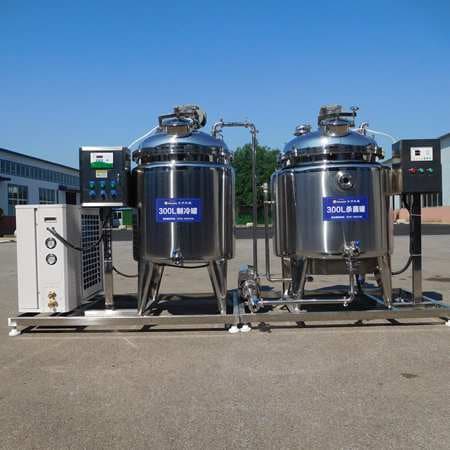
Förstå yoghurtmaskinproblem: En systematisk metod
När din yogurtmaskin upplever problem är snabb och korrekt diagnos avgörande för att minimera driftstopp och upprätthålla produktkvalitet. Denna omfattande felsökningsguide täcker de vanligaste problemen för all viktig yoghurtproduktionsutrustning, från pastörisering till förpackning. Genom att följa systematiska diagnostiska procedurer kan du identifiera grundorsaker och implementera effektiva lösningar.
Kom ihåg att förebyggande alltid är bättre än reparation. Regelbundet underhåll, korrekt drift och vaksam övervakning kan förhindra många vanliga problem innan de påverkar produktionen. Men när problem uppstår, hjälper denna guide dig att lösa dem effektivt.
Felsökningsflödesschema
Innan du går in på specifika problem, följ denna systematiska diagnostiska metod:
- Identifiera symtomet: Vad händer exakt (eller inte händer)?
- Kontrollera nyligen gjorda ändringar: Har detta underhåll, justeringar eller operatörsändringar skett nyligen?
- Granska driftparametrar: Är temperatur, tryck och flöde inom normala intervall?
- Visuellt inspektera- Leta efter läckor, ovanligt slitage eller skador
- Kontrollera felkoder: Modern utrustning visar diagnostiska koder
- Konsultera underhållsregister: Har detta problem inträffat tidigare?
- Isolera komponenten: Begränsa till specifikt delsystem
- Implementera lösning: Tillämpa korrigerande åtgärder från denna guide
Säkerhet Först: Lås alltid strömkällor innan du utför felsökning som involverar fysisk inspektion eller komponentbyte.
Temperaturkontrollproblem
Temperaturproblem är bland de vanligaste problemen i yoghurtproduktion, vilket påverkar produktkvalitet och säkerhet.
| Problem | Möjliga orsaker | Lösningar |
|---|
| Pasteurizer når ikke temperatur | 1. Varmeelementfejl
- Damptryk for lavt
- Temperatursensorfejl
- Fouling i varmeveksler | 1. Test og udskift varmeelement
- Kontroller dampsforsyning, juster regulator
- Kalibrer eller udskift sensor
- Rens varmevekslers overflader |
| Temperatur overskrider setpunkt | 1. PID-controller tuning er forkert
- Sensor forsinkelse
- Stikker i styreventil
- Produktflow for lavt | 1. Retune PID-parametre
- Flyt sensor eller juster responstid
- Servicér eller udskift styreventil
- Øg flowhastigheden til specificeret |
| Temperaturudsving | 1. Ustabil damptryk
- Luft i varmesystemet
- Fejl i temperaturregulator
- Produktflowvariationer | 1. Installer trykreduktor
- Blød luft ud af systemet
- Udskift controller
- Installer flowkontrolventil |
| Fermenteringstemperatur drift | 1. Isolationsskade
- Ændringer i omgivelsestemperatur
- Omrøreren fungerer ikke
- Opvarmnings-/kølebalancen | 1. Reparer eller udskift isolering
- Installer klimakontrol
- Servicér omrørermotor
- Juster varme-/køleforhold |
Förebyggande tips: Regelbunden sensor kalibrering, konsekvent ångtillförsel och korrekt isoleringsunderhåll förhindrar de flesta temperaturrelaterade problem.
Rengörings- och saniteringsfel
Utilstrækkelig rengøring fører til bakteriel kontaminering, produktgenkaldelser og udstyrsbeskadigelse. Her er hvordan du diagnosticerer og løser almindelige CIP-problemer.
| Problem | Möjliga orsaker | Lösningar |
|---|
| Dårlige rengøringsresultater | 1. Kemisk koncentration for lav
- Temperatur er utilstrækkelig
- Utilstrækkelig flowhastighed
- Kontroller kontaktetid | 1. Kontroller doseringspumper, recalibrer
- Bekræft varmeforsyningssystemets funktion
- Rens filtre, kontroller pumpefunktion
- Forlæng rengøringscyklus
| Overdreven skum under rengøring | 1. Forkert rengøringsmiddel
- Koncentration for høj
- Luftindtrængning
- Inkompatible jordtyper | 1. Skift til lavskumrengøringsmiddel
- Juster koncentrationen til specifikation
- Kontroller for luftlækager i suglinjer
- For-rens grundigt |
| Skalopbygning efter rengøring | 1. Hårdt vand
- Spring over syre skylning
- Ufuldstændig skylning
- Vandtemperatur for høj | 1. Installer blødgører
- Tilføj syre skyllecyklus
- Forlæng sidste skylletid
- Reducer skylletemperatur |
| Restant sanitizer niveau | 1. Utilstrækkelig sidste skylning
- For høj desinfektionskoncentration
- Dårlig dræning
- Forkert desinfektionsmiddel | 1. Øg skyllemængde/tid
- Genkalibrer doseringssystem
- Rens afløbslinjer
- Skift til no-rinse desinfektionsmiddel |
Verifikationsmetoder: Använd ATP-testning, proteindraper eller visuell inspektion för att verifiera rengöringseffektivitet efter varje CIP-cykel.
Fyllnings- och förpackningsproblem
Fyllningsmaskinproblem påverkar direkt produktkvalitet, kundnöjdhet och produktivitet.
| Problem | Möjliga orsaker | Lösningar |
|---|
| Ujævn fyldning | 1. Luft i produktlinjer
- Worn fyldningsventiler
- Trykudsving
- Produktviskositet ændres | 1. Blød luft ud af systemet
- Udskift ventilpakninger
- Installer trykreduktor
- Standardiser produktets temperatur |
| Dårlig forsegling | 1. Forkerte forseglingstemperatur
- Forurenede forseglingsoverflader
- Worn sealing jaws
- Forkert filmtype | 1. Juster temperaturindstillinger
- Rens forseglingsoverflader
- Udskift forsegling
- Bekræft film-specifikationer |
| Forkert justering af kop-/flaske | 1. Transportbånds timing er forkert
- Worn guide rails
- Variation i beholderstørrelse
- Sensorfejl | 1. Juster transportbånds timing
- Udskift slidte guider
- Standardiser beholder-specifikationer
- Rens/udskift sensorer |
| Lækende pakker | 1. Utilstrækkelig forseglingstrykk
- Rynket film
- Produkt på forseglingområdet
- Køletid utilstrækkelig | 1. Øg forseglingstrykket
- Juster filmspænding
- Forbedr fyldningsnøjagtighed
- Forlæng køletiden |
Kvalitetskontroll: Implementera regelbundna viktkontroller, tätningstest och visuell inspektion för att upptäcka fyllningsproblem tidigt.
Jäsningsproblem
Jäsningsproblem påverkar yoghurtens textur, smak och konsistens. Snabb diagnos är avgörande för att förhindra batchförluster.
| Problem | Möjliga orsaker | Lösningar |
|---|
| Langsom fermentering | 1. Temperatur for lav
- Gammel eller svag startkultur
- Antibiotikaforurening
- Utilstrækkelig inkubationstid | 1. Juster temperaturen til 42-45°C
- Brug frisk, aktiv kultur
- Test mælk for antibiotika
- Forlæng fermenteringstid |
| Overfermentering (for sur) | 1. Temperatur for høj
- For meget inkubationstid
- For meget startkultur
- Køling forsinket | 1. Sænk temperaturindstilling
- Reducer fermenteringstid
- Reducer kultur dosis
- Start afkøling ved mål-pH |
| Ujævn fermentering | 1. Dårlig temperaturfordeling
- Utilstrækkelig blanding
- Ujævn kulturfordeling
- Tankgeometri problemer | 1. Kontroller omrørers funktion
- Øg blandingsfrekvens
- Forbedr kulturfordeling
- Bekræft tankdesign
| Udvikling af off-flavors | 1. Kontaminering af vilde gær/bakterier
- Överfermentering
- Dårlig kvalitet af mælk
- Udstyrrest, forbedr sanitet
- Kontroller fermenteringstid
- Test den indkommende mælkekvalitet
- Forbedr rengøringsprocedurer |
Mekaniska fel
Mekaniska problem orsakar oplanerade driftstopp och kan leda till sekundär skada om de inte åtgärdas snabbt.
| Problem | Möjliga orsaker | Lösningar |
|---|
| Overdreven vibration | 1. Ubalancerede roterende komponenter
- Worn lejer
- Løse monteringsbolte
- Forkert justerede koblinger | 1. Balancer impellere/rotorer
- Udskift lejer
- Stram alle fastgørelseselementer
- Juster motor-pumpe kobling |
| Usædvanlig støj | 1. Kavitation i pumper
- Worn gears eller lejer
- Fremmedlegemer i udstyret
- Mangel på smøring | 1. Kontroller sugeforhold
- Inspicer og udskift slidte dele
- Stop straks, inspicer internt
- Smørj i henhold til vedligeholdelsesplanen |
| Motoroverophedning | 1. Overbelastning
- Dårlig ventilation
- Single phasing (3-faset motorer)
- Worn motorlejer | 1. Kontroller belastning, reducer hvis nødvendigt
- Rens køleflader, forbedr luftstrømmen
- Kontroller alle tre faser
- Udskift motorlejer |
| Pumpe ikke selvfyldt | 1. Luftlæk i sugelinje
- Lav produktniveau
- Worn impeller
- Luk sugeventil | 1. Stram forbindelser, udskift pakninger
- Oprethold tilstrækkeligt tankniveau
- Udskift impeller
- Åbn alle ventiler |
Elektriska och styrsystemfel
Moderne yoghurtproduktionsudstyr er stærkt afhængigt af elektriske styringer. Her er hvordan du diagnosticerer almindelige elektriske problemer.
| Problem | Möjliga orsaker | Lösningar |
|---|
| Udstyr vil ikke starte | 1. Ingen strømforsyning
- Nødstop aktiveret
- Sikkerhedsinterlock åben
- Motoroverbelastning udløst | 1. Kontroller afbrydere, kontaktorer
- Nulstil nødstop
- Luk alle sikkerhedsbeskyttelser
- Nulstil overbelastning, kontroller årsag |
| Intermitterende drift | 1. Løse elektriske forbindelser
- Defekt styresrelæ
- Skadet ledning
- Fugt i styreskabet | 1. Stram alle terminaler
- Udskift relæ
- Inspicer og reparer ledninger
- Tør panel, forbedr forsegling |
| Visning med fejlmeddelelser | 1. Sensorfejl
- PLC-fejl
- Kommunikationsfejl
- Parameter uden for interval | 1. Udskift defekt sensor
- Nulstil PLC, kontroller program
- Kontroller netværksforbindelser
- Gennemgå fejlmanual |
| Aktuatorer reagerer ikke | 1. Ingen luftforsyning (pneumatisk)
- Solenoideventilfejl
- Mekanisk binding
- Kontrolsignal mangler | 1. Kontroller kompressor, ventiler
- Udskift solenoide spole
- Fri binding, smørj
- Kontroller output fra controller |
Forebyggende vedligeholdelsesplan
Implementering af en struktureret forebyggende vedligeholdelsesprogram reducerer væsentligt udstyrsfejl og forlænger udstyrets levetid.
Daglige vedligeholdelsesopgaver
| Uppgift | Apparatuur | Frekvens | Tidskrav |
|---|---|---|---|
| Visuel inspektion | All utrustning | Hver vagt | 15 min |
| CIP-rengøring | Behandlingsbeholdere | Efter hver batch | 30-60 min |
| Temperaturverifikation | Pasteurizer, fermentering | Hver 2. time | 5 min |
| Forsegling inspektion | Plnička | Hver 4. time | 10 min |
Ugentlige vedligeholdelsesopgaver
| Uppgift | Apparatuur | Frekvens | Tidskrav |
|---|---|---|---|
| Kalibrering af sensor | Temperatur, tryk | Ugentligt | 30 min |
| Smøringstest | Motorer, pumper | Ugentligt | 20 min |
| Filterinspektion | Mælkefilter, CIP | Ugentligt | 15 min |
| Bæltespænding kontrol | Transportbånd, drivere | Ugentligt | 15 min |
Tareas de mantenimiento mensual
| Uppgift | Apparatuur | Frekvens | Tidskrav |
|---|---|---|---|
| Fuld inspektion af udstyr | All utrustning | Månedligt | 2-4 timmar |
| Olieskift | Gearkasser, kompressorer | Månedligt eller efter plan | 1 time |
| Elektrisk forbindelse kontrol | Styringspaneler | Månedligt | 1 time |
| Prestandatestning | Alla system | Månedligt | 2 timer |
När ska man kontakta professionell hjälp
Även om många problem kan lösas internt, kräver vissa situationer professionell hjälp:
- Komplexa elektriska fel: PLC-programmeringsproblem, variabel frekvensdrivfel
- Större komponentbyte- Motorer, växellådor, pumpar som kräver specialverktyg
- Garantiarbete: Kontakta tillverkaren innan du utför garantireparationer
- Återkommande problem: Problem som kvarstår trots flera reparationer
- Säkerhetssystemfel: Nödstopp, tryckavlastningsanordningar, säkerhetslås
Hitimisho
Effektiv yogurt maskin felsökning kräver systematisk diagnos, rätt verktyg och god förståelse för utrustningens funktion. Genom att följa lösningarna i denna guide kan du snabbt lösa vanliga problem och minimera produktionsstopp. Kom ihåg att dokumentation och förebyggande underhåll är dina bästa verktyg för att minska frekvensen och allvaret av utrustningsfel.
Ved komplekse problemer eller når reservedele er nødvendige, kontakt udstyrsproducenter eller autoriserede serviceudbydere. Investering i professionel support kan forhindre dyre fejl og længere nedetid.
För omfattande support och tillförlitlig utrustning, utforska vårt sortiment av yoghurtproduktionslösningar:
- Mstari wa Uzalishaji wa mtindi – Integrerade system med avancerad diagnostik
- Mælkepasteuriseringsmaskine – Pålitlig pastörisering med omfattande support
- Yoghurtfermenteringsmaskin – Precisionskontroll av fermentation
- Mashine ya Kujaza Mtindi otomatiki – Högfrekvent fyllning med minimal driftstid
- Yogurt CIP-rengöringssystem – Automatiserad rengöring för att förhindra kontaminationsproblem
Hvordan fejlfinder jeg min yoghurtmaskines temperaturproblemer?
Start med at kontrollere kalibreringen af temperaturføleren, verificer derefter dampsforsyningstrykket, inspicer varmeelementerne, og sørg for korrekt PID-controllerindstilling. De fleste temperaturproblemer skyldes sensorfejl eller utilstrækkelig dampsforsyning.
Hvorfor rengør min yoghurtmaskine ikke ordentligt?
Almindelige årsager inkluderer forkert kemisk koncentration, utilstrækkelig temperatur, utilstrækkelig flowhastighed eller kort kontaktstid. Verificer CIP-systemets parametre og overvej vandhårdhedsproblemer, der kan kræve en blødgører.
Hvor ofte skal jeg udføre forebyggende vedligeholdelse på yoghurtudstyr?
Daily cleaning after each production run, weekly inspections of seals and sensors, monthly mechanical component checks, and annual comprehensive system overhauls. Follow the manufacturer's recommended maintenance schedule for optimal results.
Hvornår skal jeg kontakte en professionel for reparation af yoghurtmaskine?
Kontakt en professionel for komplekse elektriske fejl, PLC-programmeringsproblemer, større komponentudskiftninger, garantisager, tilbagevendende problemer og fejl i sikkerhedssystemer. Forsøg ikke at udføre komplekse reparationer uden den rette ekspertise, da det kan forværre skaden.